Episode 58
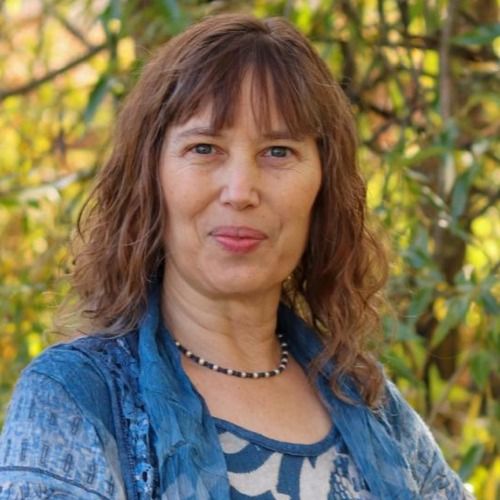
S2EP58-Sarah Lawrence-Mommy's Magic: How to Clear Emotional Chaos with the Fixed Code!
Get ready to dive into a conversation that’s all about shaking off emotional baggage and crafting a calm, connected family life! Today, we’re chatting with Sarah Lawrence, the brains behind the Fixed Family and a certified practitioner of the Fixed Code—a super cool neuroscience-based technique that helps parents and kiddos clear emotional triggers without having to relive those cringe-worthy past moments. Trust me, we’re going to explore how Sarah turned her own wild ride through trauma and healing into a toolkit for families to create emotionally safe spaces at home. With five kids of her own, she knows the high-stakes balancing act of parenting, education, and emotional wellness like the back of her hand. So grab your favorite snack (maybe some popcorn for all the juicy bits), and let’s jump into this enlightening and entertaining chat that’s sure to spark some serious inspiration!
Takeaways:
- Sarah Lawrence dives deep into the neuroscience of emotional healing, helping families navigate their emotional triggers with a method called the Fixed Code, which she developed after her own experience with trauma.
- Homeschooling during the pandemic revealed unique challenges and emotional dynamics for families, and Sarah's insights provide valuable tools for creating a nurturing home environment that encourages learning and growth.
- The Fixed Family Emotional Co-Breakers book serves as a guide for parents to identify stress patterns, restore calm, and foster emotionally safe spaces, essential for effective parenting and family bonding.
- Sarah emphasizes the importance of regulating our nervous systems to navigate parenting challenges, suggesting that understanding and processing emotions can transform family dynamics and individual well-being.
- Clearing emotional triggers can lead to significant shifts in behavior and mood, and Sarah shares personal stories that illustrate how quickly negative emotions can be processed and resolved, allowing families to thrive together.
- The podcast also explores practical techniques for emotional regulation in children, highlighting the benefits of open communication and emotional literacy as essential tools for modern parenting.
A gift from our guest: Ready to bring more calm and connection into your homeschool transition? Sarah Lawrence, Certified F.I.X. Code® Practitioner and author of The F.I.X.ed Family: Emotional Codebreakers, offers parents a free 20-minute Emotional Clarity Session to uncover and release the hidden stress patterns that make learning at home feel hard. Discover how simple it can be to reset your nervous system, restore peace, and enjoy learning together again.
Visit TheF.I.X.edFamily.com to schedule your free session.
Sarah Lawrence is the founder of The F.I.X.ed Family™ and a Certified Practitioner of The F.I.X. Code®, a neuroscience-based method that helps parents and children clear emotional triggers without reliving the past. A mother of five and trauma-informed coach, Sarah blends science and soul to guide families in rewiring their nervous systems for peace and connection. During the pandemic, after experiencing a medically induced psychosis while on prescription medication, she used The F.I.X. Code® to heal, transition off medication, and find lasting emotional clarity and freedom. Having homeschooled during that same season, she understands the fears, frustrations, and freedom that come with education shifts. Through her book The F.I.X.ed Family™: Emotional Codebreakers, Sarah helps parents dissolve stress patterns, restore calm, and create homes that feel emotionally safe—for learning, love, and legacy.
Bringing Education Home is an educational podcast brought to you by Kristina and Herb Heagh-Avritt.
If you enjoy the show, we'd love for you to leave a rating or review on your favorite podcast app!
Please let your friends know they can listen for free on Apple Podcasts, Spotify or their preferred podcast app or online at Bringing Education Home.
Sponsored by Vibrant Family Education - creating Happy, Healthy and Successful kids
Follow us on these socials:
Facebook Group - The Family Learning Circle
Facebook Business Page: Vibrant Family Education
Support Bringing Education Home
Copyright 2026 Kristina & Herb Heagh-Avritt
This podcast is hosted by Captivate, try it yourself for free.
Transcript
I now have the pleasure of introducing Sarah Lawrence.
Sarah is a founder of the Fixed Family and a certified practitioner of the Fixed Code, a neuroscience based method that helps parents and children clear emotional triggers without reliving the past.
A mother of five and trauma informed coach, Sarah blends science and soul to guide families in rewiring their nervous systems for peace and and connection. During the pandemic, after experiencing a medically induced psychosis while on prescription medication, she used the Fixed Code to heal her. Ooh.
To heal. Transition off medication and find lasting emotional clarity and freedom.
Having homeschooled during the last season, she understands the fears, frustrations and freedom that come with education shifts.
Through her book, the Fixed Family Emotional Co Breakers, Sarah helps parents discover stress patterns, restore calm and create homes that feel emotionally safe for learning, love and legacy. Welcome Sarah. It is a pleasure to have you here. Your bio is awesome. Sounds so much like what we're doing. Thank you for being here today.
Sarah Lawrence:Thank you so much. I'm very excited to be here and share with you guys.
Kristina:One of the things I love about having you on is whenever you connected it up with the homeschool families because they, that's one of the things a lot of families say is like, I don't know how I can think about staying dining pretty much 247 with my children. It's like, well, wait a second, there's ways around that. There's things that you can work on to make that more easier. And of course, exactly.
Once you either get some help with some coaching or you have some time with, you know, your family and you really build that strong communication. It is a whole different world than what we, what we experienced during the pandemic when everybody was just like three thrown into it. Right, Right.
Yeah, right. So talk about a little bit, you know, your pivot, your passion.
You talked a little bit about in your bio how some of this came about, but what was that main one thing is like, oh my gosh, I've got to do this because this has to change.
Sarah Lawrence:Well, being sent to, to get treatment for something that I wasn't, I was out of control, my emotions were out of control. I was definitely expressing emotion at a higher level than I really ever had. Pressing was my go to for so many years.
And when I got there, they, they made me retell the story, you know, why are you here? What, what brought you here? And I would tell it and they would, I'm so sorry that happened to you, but we can't help you.
And I'm, and I'm being told from one side that, you know, go here, they can help you. And the other side's. The. The professionals are saying, well, we can't help you. And I was really just. I was. I was in limbo.
I mean, I'm calling the EMDR doctor, the. Everything that anybody would give me, any piece of information to help me just feel stable again.
And I didn't realize at the time that my nervous system was just completely hijacked. And I had. I was so disconnected from being a mom, which, I mean, that was my.
My number one goal in life since I was a child was to be a mom and be a teacher. And I got both with having five kids. So. And then there was the, well, how am I going to teach them if I can't even do it myself?
And so then, you know, it was just. It was just a darker and darker time for me. So. So I started to pray, you know, really connect back to the Creator, back to the origins of my.
My soul, like, trying to find myself. And I was reminded of the emotion code, which was as a. Is a technique where you can release trapped emotions.
You locate them on a chart and you release them. So started doing that, and I went to a podcast or went. Watched a podcast, and Stacy Nye was hosting or was the interviewee. And she.
She said one thing. Disconnect your trauma, and it's completely gone. And I was like, okay, I am in trauma and I want it gone, and I will. I'm willing to try anything.
So she offered a complimentary session. And I called and I had it. And I still remember the first code I cleared was. So we asked the magic question.
It's the biggest problem in your life right now. My biggest problem was that my house was a mess. I couldn't. I couldn't keep up. I couldn't keep up with anything.
And so my biggest problem was that, how does it make you lazy? I cleared lazy. I couldn't find it, I couldn't see it, I couldn't feel it. And it was like, oh, this is it. This is where. This is my.
My, you know, my prayer or my answered prayer, you know. And so I began to go through the certification process, and in that, we get to heal the healers. So we.
We had weeks upon weeks upon weeks of just codes, everything. I mean, I understood what a code was.
A decision can be made in a split second in, you know, a traumatic situation or even just walking, you know, as me last week walking in the house, I made a decision and I had to clear it, because if I didn't, I was not going to progress forward. And so, yeah, and then when I realized it worked for me so well, oh, I can do this on other people, I can do this on my kids.
And I watched my kids transform physical, visceral, emotional chaos in 2, 3 minutes, 5 minutes, however long it took them, you know, to get through the, to get to the, through the technique. And the gift for me was that I could, I could be healed and then I could help others. And that's what I had prayed for.
I prayed for the, you know, for the, to heal me so that I can serve others. And that's how it all, you know, came about. And so now I get to share that.
And working with families, that's extremely important to me because I do have a family. But my trauma directly affected my family, you know, my parents, my in laws, my, my husband, everything.
It just, you know, I was the glue that held everything together and then I needed to, you know, so, so.
Herb:We have an emotional code practitioner. She does the emotion code and the body code.
So she's continually expanding what she does and, and we see her monthly and she's become a friend over the years and she's really excited by the growth and stuff that we have. But there's also this sense that I've been in the woo world for most of my life. It's like I'm 55 and I was opened up to Reiki at 16.
I had healing touch. It's like the number of modalities and things that I've been through is like crazy.
But then I hurt my head and everything kind of fell apart and these things that seem to be working all stopped working. So inside of me there is a, still a great resistance to it. So even though some things do help, I resist some of these things quite a bit.
And I, and I think it's a lot due to the brain damage, but tremendous, tremendous. This is one of these things that I call my bailing wire and string that has held me together.
So I haven't, I haven't been able to consistently do it enough to, to do it like you're doing. But it's like when things get bad, it's like, oh, I come back into that and I fix enough to get me going again.
So I, I use it to limp myself along and keep going instead of fully pulling out and thriving. Do you run into people like that who, even though they have these tools and how do you help them break that cycle and those.
Because that's, that's a whole nother thing as well.
Sarah Lawrence:Yeah, I definitely was trying things that were temporary solutions, and I really, you know, if we talk about the emotion code, that is tremendous. I'm certified in the emotion code as well. It is a tremendous tool.
And so, as you know, you get rid of that emotion that you're feeling right then and there. So the fixed code goes to the root. The very first time that that emotion, fear decision, ever ex. You ever experienced it, that root gets extracted.
And so every memory experience that you ever had with, let's say, anger, if you. If you just cleared anger one time, you'd feel better in that moment. Right.
But if you cleared it at the root, every memory that you were bringing up when you felt anger again, every nervous system, you know, connection is dissolved. So I feel that I, too, have. And I also put off a lot of healing because, oh, I'm. I'll just do that when the kids get out of the house.
I'll just do that. I guess I'll work on myself later. And, I mean, honestly, the body, I couldn't hold it anymore.
So my nervous system, you know, really just definitely said, okay, kaput. You got to do it right now. So with the. With the technique that I offer is in that moment, I will ask, you know, you or whomever or even myself, how.
How does this make me feel? And then I go get the root. The root can be located anywhere from our ancestral past, which I think that's kind of like an epigenetic inheritance.
Sometimes I see it as that to before birth, during birth, or after birth. I don't consciously know where it is because the conscious mind doesn't have the capacity to even know or care.
But the program's running in the background, so I clear it, and it's gone. I don't feel it anymore.
I can have awareness of, oh, I remember feeling that in the past, or I remember, you know, and then the connections come, and you realize, oh, great. Well, that's. I felt anger at the grocery store yesterday, and, oh, I felt anger this morning when my kids wouldn't put their shoes on. But.
But I don't feel it. I have awareness, but I don't feel the anger anymore. And it's not running. It's not a default setting for me anymore.
So the magic question pulls that emotion out. It, like, separates the conscious of the unconscious mind, and then the unconscious mind gives you the. The true feeling of that.
And I could give you an example. My son was going to school Thursday, and he started freaking out. My littlest guy freaking out.
He pulling him off of me, tears drying on my face, driving away as he's screaming, mama, Mama. And I am like, this would have taken me out in the past. So I immediately pulled over. I do the technique with my kids.
And so I. I didn't have his answer, but I. I had a connection. So I cleared a couple of things, and then I get home, and I walk in the house and I say. And I have this decision pop in.
And I thought, how can I claim that I'm an expert in this if. If this. If I have days like that? I mean, I. In that moment, I decided that I couldn't be, you know, claiming something.
But then, you know, I went about my morning. I was having a conversation with another practitioner, and I was perfectly fine talking.
And all of a sudden, I started telling her about what happened with my son. And I started to cry. And she said. And I said, I feel worried about him. And she said, that's a code. You want to clear it now? So we go in.
She asked me the magic question. That was not the root code. The root code for me was disappointed. I was disappointed in myself. So I cleared. Disappointed in myself.
And my son had a great day because he cleared. You know, his nervous system had been regulated.
And I cleared that code, which I would not have found if I didn't have all those experiences and take that, you know, couple of minutes to. To give myself the opportunities. How is this really feeling? And clear was. It was quite magical for me.
Herb:Okay, so I heard something in there. We talked about you homeschooling your kids, and then we talked about you taking your kids to school. So let's talk about that right now. What's.
What's going on with that?
Sarah Lawrence:We're 50. 50. I have two that do homeschool. They are like a hybrid, an online base, so I'm there. But they have ability to. To connect with other students in a.
A virtual setting. And then the younger three go to public school right now. Yeah, because quite honestly, I'm in the. In the mindset of maybe I can't do it all.
He's in kindergarten, so it's kind of a. It was kind of a personal choice to get them a little bit of a social experience.
But again, I know that that's not all that school is so transitioning from public school to homeschool, I will have those feelings. What do I, you know, can I handle this?
Can I have five different grade levels under one roof, giving them each these, you know, intricate moments of learning and teaching and making sure they're all on task and oh yeah, then it's lunchtime, you know, so, yeah, I will definitely talk.
Herb:We could make.
Sarah Lawrence:I will do that when the time.
Herb:That a lot easier. That is what we do.
Sarah Lawrence:Yeah.
Herb:But anyway, so yeah, that's awesome.
And that's one of the things that we also talk about is we need to create individualized education for our families because it's not every child is different and has different needs. And so.
Sarah Lawrence:Yeah, and my eighth grader, she prefers public school, so.
Kristina:Yeah, and that kind of makes sense, the social or the friend connection. It also has a lot to do with, you know, their personality and things like that. But let's look at your modality and what you work with.
How does the parent know when it might be helpful to use this modality?
Herb:What is, what does fix stand for? Yeah, because you got periods, which means it's an acronym usually.
Sarah Lawrence:So what.
Herb:What does fixed stand for? And really what is the process?
Sarah Lawrence:So the fixed code is the technology that I use or technique technology. It is. It stands for flir Intuitive Extraction.
It was created by Daniel flir and Stacy Nye is the co founder and she's the one who brought it to the world to be taught because Daniel was. Was doing it and then they met years ago, 15, 20 years ago. And so she brought it to the world to be taught. In the book the Fix I, the acronym for.
For what what we wrote about was focus increases excellence every day. So when you're. And how you would know if your child was. Is sometimes temper tantrums. Yes, that's a good, a good avenue.
They could come home and tell you, you know, something happened at school, they might not want to do something that they had been doing before, you know, popping up, getting ready for the day, doing their chores.
So I kind of just know that if my kids are not like H, I say happy, but if they're not like regulated, peacefully regulated, they're talking calm, their voices are normal paced or tone, then I just kind of jump in and say, you know, when you think about that, how does that make you feel? Sometimes they say, I don't know. That's a code. We clear I don't know. Sometimes they say I'm scared. I clear scared.
I know that the moment that I clear that scared, that particular feeling, exact feeling is gone. So if they say I'm scared again, it's something different for them. Their vocabulary is less expansive at that age than ours is.
And even still I'm learning words that I don't even. I had to look it up. What did that mean? I don't know. It came in and I said, okay, well, great. What does that mean?
And so, yeah, I would just kind of be noting if you're having.
Herb:I.
Sarah Lawrence:Don'T want to say like a fight, but like, you know, some attention, attentious moment with your child and you're trying to get them to do something and they're resisting, that could be a moment where we could ask the magic question and, and release the, the feeling that they're. That's driving their behavior.
Kristina:So one thing I want to ask because as a teacher myself for so many years, right. They always say that we are trauma informed. We always look at the children's traumas and things like that. And I come at it as.
There's two kinds of teases. The little tease, the things that just kind of upset us and kind of trigger us really quick.
But then the big tease, you know, and we know what those are. Divorce and all the other bad things that really impact children. But sometimes people want to keep bringing it up.
Oh, I can't have this child do this because it might think, remind them of, you know, abc. Even though the child seems to have basically cleared or let go of it, us adults kind of keep sending it back to them. Right.
What would you say about that? When. When is a good time to say, you know, that doesn't have to worry the child. Don't.
You don't have to worry about it because the child's not worried about it anymore, Right?
Sarah Lawrence:That's a good question. So I would. The parent is experiencing a trauma timestamp or from an experience.
Even if the child and the parent are in the same room, they don't experience the same thing because they filter through their beliefs, right. What they believe about themselves and what they've identified with. So I would offer, and I have.
If I clear a code with a child, I will clear it out of the parent as well. And then that way they're not bouncing back that information because mom hasn't given up the ghost. The child has.
So she'll, she'll, you know, she might keep bringing it up because that's her awareness that there is still something stuck for her. And the code might even be completely different.
The son might feel one way or the daughter might feel one way, and the mother or father can feel a completely different way. They're, you know, connecting to the same experience, perhaps. But yeah, I would just offer the same magic question.
When you think about, you know, your, your Child not being able to do or have that, how does that make you feel? And then that parent could give forth their true feelings and then get to the root of that. And I mean I have witnessed that.
That would be the end of it to that point. Yeah. It could be in layers obviously like depending on the trauma and stuff like that.
But the biggest problem in your life is what's running the most, you know, energetic connection. And to dissolve that, it just, it opens up so much clarity. Reality changes instantly.
For me, I, I mean I, I've had multiple experiences where I'm, I'm driving and I'm trying to do this, you know, not driving in car but like driving this thing home and it's not working. And okay, how does this make me feel? Cleared something and it worked out 30 seconds later. So, you know, I create my reality.
Herb:So families who don't have any previous experience with this woo world because that's, you know, but there is so much more, more scientific based coming into it. But how do people who haven't heard about this, how do they start? How do they get good at it? You get your fixed family.
How long does it take a family to. It's not like, oh, I got this poof, everything's perfect now. How do we get started?
Sarah Lawrence:So I do not give this the technique or the script in my book because it is proprietary. So I do, I offer a complimentary introductory experience which is about 15, 20 minutes. I will talk to them.
If they start to go into their problem or their trauma, I will be able to allow, you know, allow it briefly, but we really don't have to stay there. I just need to know how it feels and then we go in and we get it.
If I couldn't, I couldn't really tell you how long because I don't know what you, you know, what a person wants to work on, but I can tell you in one extraction you will notice a difference. You will absolutely no longer feel whatever you, you know, we're feeling in that moment.
And again, it can be an, it can be a fear, it can be an emotion, it can be a decision. When did you decide that you weren't, you know, and then it's gone and you no longer.
And when the decision is pulled, we develop habits to support a new life experience. So they can go to the fixcode.com and get one. And there's multiple practitioners. That's how we are listed through the fixed code. And it's just fix.
But on my website, spiritualwealthadvisor.com. they can get also a introductory session. And then it's.
It's so quick that I don't really need, you know, I don't need to spend hours of talking about trauma. It's not talk therapy. I have people call me. We're on the phone for five minutes. They tell me what they feel or, you know, ask the magic question.
They tell me what they feel, I clear the code and then, okay, I love you, bye. And they're done. I had three minutes to work with my son before he walked into school.
Before I was probably going to get a phone call that he can't stop crying, perhaps come pick him up. I would love to bring this to my children's school, which is something I'm going to.
Because they had a calm down room, I noticed, and I thought, interesting. Okay, we can, we can work with that.
Kristina:Many schools have those now.
Sarah Lawrence:Yeah, that would have been nice.
Kristina:But again, we need to have the right people in there.
The people who can truly calm them down instead of let them just sit there and either wallow in it or think is, oh, I get to go to the calm down room and now I get to play. Right? It's like, no, what can you do to really help them? Like you said, transmute that, change that a little bit of it.
Sarah Lawrence:Right.
And I think if we asked anyone, without using the fixed code or anything, even when, when I would do inner child healing in my, you know, teens, I would have to know how it felt. I would have. If I felt it, I could look at it, I could honor it. I could, you know, what do you need?
How can I, you know, I could support it in those ways. I just find this technique is just so much quicker. I don't need to know where it hap. Where it happened or I don't need to, like, looking back.
There's a lot to think about. Okay, where did this trauma happen? How is this affecting me here? It's. It's a maze. This cuts all that out. What are you feeling right now? And then.
Herb:And children are so much more adaptable.
Kristina:As we allow them to be.
Herb:Yeah, there are, There are so many things that would help help children at that age. You know, eft. Eft is amazing for, for children.
Sarah Lawrence:Absolutely.
Herb:Learning breathing techniques. In her class, we set up like a bell that rang every once in a while randomly. There was three different sounds.
And the short bell, they stood up and took a short breath. The long bell, they actually stood up and stretched for a second and did like three breaths. So throughout the day, the Random bell. So.
And these kids were. Responded to it, like, brilliantly. It's amazing how quickly giving yourself, you.
Kristina:Know, like this behind it, that shows whenever you actually do that. Right. Relaxation, whatever you were just learning actually sinks in better. Right, Right. It's not that we're wasting time breathing.
We're actually allowing them to relax and absorb what they were just learning and then move forward.
Herb:The kids in her class did so much better to calm them down. When they would need fidgeting. I had, like, I would come in because she had some. She had some. I brought in, like, boxes of crystals.
And if the kids were sitting quietly, I would let them hold the crystals. And if they. And, you know, at the end of the day, they would all, like, put them back in the box. And the next, oh, I want the gold one today.
I want the red one. Yeah, that. That became a way to settle and hold the class down. So again, and they were.
You might, as a parent, you might think, oh, my kids are going to think this weird, but they're going to get it easier than you will. And they're like, just like the Internet.
Kristina:They're actually the shape of a ball. So they were very rolly.
So we had to really talk about, you know, if it keeps rolling off your desk, if it keeps bouncing and making noise, then you don't get them anymore. But then you get to teach that respect and responsibility of, oh, I want to hold this and see what yeah do for me.
Sarah Lawrence:So I was just talking to my mom last night and I thought about this. When I started having kids, My oldest is 18. It was, you know, put him to bed crying and, you know, no, hell, like, helicopter parenting was.
Was frowned upon. And. And I just, I have such a physical connection with my kids, probably because that, you know, could be my love language.
I know my love language is quality time, but I think physical touch is a second one. And my kids will be playing in the next room for hours and then walk right into the living room just for a hug.
And, like, I just think, like, how much damage was done when we didn't regulate their nervous system and make them feel safe from such a young age.
And I think that, you know, pine wanting to be pioneering in whatever I was healing, that's why I had to take the, you know, the hard road to get there. But it was totally worth it. You know, this is what I can offer right now. It is so quick.
I ask you a quick question and in, I. I mean, five minutes, maybe it's a guided visual. Well, it's an imagery, like a guided imagery. And so I take the same peep. Everybody does the same technique.
I have worked with children that are on the spectrum. I have worked with children that are non verbal, so even that it's the unconscious mind.
So everybody is, you know, I think we're all the same, similar up there. But at any rate, it does work for any person. Any, any frequency that they're feeling can be extracted out feeling. Yeah.
Kristina:So one of the things we talk about when I'm.
Especially when I'm working with parents is that whenever you're working on healing or working with your own traumas and things like that, sometimes we don't want to share that with our family. And rightly so, because it's, you know, too big for the kids. Right.
But you have to let them know at least a little bit that I'm dealing with something. It's not you, so don't take it on. Right. I might have a bad day because I'm really processing something or something like that.
How would you maybe guide parents and sharing that, like I said, like kind of in an age appropriate way, but what maybe could they say or how did you kind of do it?
Sarah Lawrence:I first started by apologizing to my kids.
When I started to finally look at myself and I wasn't playing in anybody else's shadow trying to avoid my own, I was, okay, this is it, I gotta do it. I would apologize first. I'm so sorry that I.
Because I would yell or I would panic or freak out or overwhelmed or whatever, you know, I didn't have to name the feelings. I. They didn't see anything but that mom's losing her shift and it's my fault. Right?
So then I would, I, I started to apologize first and then tell them what I was going through. I did not talk about my trauma. I said how I'm feeling.
I'm telling you, every night my kids, I start dinner, they'll run in the kitchen and they all want to snack at the same time. And, and, and it's like, you know, so I had to say, okay, right now I'm gonna start dinner.
And having you all in the kitchen is, is kind of a little bit overwhelming for me right now. I started to verbalize what my feelings were because they don't know what to call it because I never called it anything.
I called it screaming and yelling. Yeah, exactly. Gomer, get out of my room. You know, so I, I just, I think I just started to communicate more.
And, and like you said, the age is different but if you. If you just say, look, mama. Mama needs to breathe real quick. That's. That's enough.
It's the not telling them how you're feeling and just the behavior that they see that I think that that can cause some confusion. They're not sure how to regulate because they don't see regulating. But also, after I did start to do this work, I didn't.
I didn't get overwhelmed anymore. I. I had the clarity of, okay, I'm feeling overwhelmed in this moment and I will still have feelings. This doesn't, you know, doesn't. I'm not a robot.
Right. But the. The true amount of time that I feel, it has lessened and the impact has lessened.
So instead of getting caught up in the overwhelm and not making a decision or yelling or whatever, my reactive response would have been. I recognize it. I'm overwhelmed. And then I turn right to the situation and even sometimes just shouting it out like, I'm overwhelmed. I need a minute.
Breathe. You know, I'm still telling myself what to do in that moment. But, yeah, it's just. I started to communicate to them after I apologized, and I.
Kristina:And I love that because it's also such a good role model.
Herb:Right?
Kristina:It's like, how would. How do we want to be treated and reacted to? How can you treat others and react to them in more of a kind way? Whatever. Right. And so, yeah, that.
Apologizing, you know, letting them know. Yeah.
Sarah Lawrence:And you're not so distracted. Like, once the. Once the nervous system is regulated, there are so many things that do not distract you. And you have all the.
All the lessons come in too, when we do an extraction. So anything that I would have learned along the way of how to.
I wanted to treat my kids or what I did or didn't want to do in my relationship with my family, it's all there. So I don't. Yeah, I don't have the distraction from the solution anymore. So it's kind of cool.
Herb:It's interesting how so many of these practices actually take us more towards stoicism, towards recognizing the emotion but not letting it control us. To. To. It's like, oh, hey, there's anger. What's going on? It's a signal. It's. And so, yeah, that. That is the, like, the stoic philosophy.
But to have all of these different modalities without actually necessarily calling it that bring us closer to that. To me, that's just absolutely fabulous because it does make. It's like, oh, I'm. I'm okay. But I am feeling this.
And that means there's something going on, that I need to pay attention.
Sarah Lawrence:Yeah. Becoming the observer. I. I observe so much more now. I don't. I'm not reactive. But to also answer the, The. The fix code with the.
It is kind of hard to explain. Right. Like, you know, how can I really get you to understand? You have to just try it. You can just try it. Right.
The fixed code for me is what happens after the extraction. I have ideas, I have creativity, which I'm. I'm pretty creative. But, yeah, I. I can now make those connections and finish those projects.
I didn't have bread one morning and the kids wanted some. Or no, I didn't have waffles. And they wanted, like, some toast or, you know, waffles. And then. So I don't have waffles. Okay. I have bread.
No, I don't have bread. Okay.
You know, but I was able to move through all of those, you know, potential hiccups, and I would have stopped in the past, and then it was just like, okay, well, that's a problem. Where's the solution? That's a problem. Where's the solution?
And I just was able to move through the morning, and I didn't screw, scream and yell, and everybody got out the door and they got fed, and it was great. And I do attribute that to a regulated nervous system, you know, so.
Kristina:So does your family have, like, family meetings or dinner where you really talk about things? Is there another way that you kind of bring your family together?
Sarah Lawrence:Yeah, I do. We do talk at dinner.
That's definitely something that I would notice in the past if we weren't meeting at dinner, then everybody, see, it rippled out. They. They felt disconnected, they felt unsupported. So dinner is definitely something that I do to bring them together.
Something else I like to do is I have. I live in the. In the desert. So, you know, we got rocks in the front yard, but my husband made me a little, you know, five by five patch of grass.
And we just go sit out there. So they're earthing, they're grounding, you know, and then they each and I. It might sound silly, but I have a talking stick. I made a talking stick.
Because sometimes, you know, if. If everybody wants to talk at once and somebody's feeling left out. So, you know, we pass the talking stick. And then I would, you know, how does.
Herb:Each person gets their opportunity, Right. And understood. Yeah, that is tremendous inside.
Sarah Lawrence:How was your day? How. You know, and I don't even have to ask them how was your day? I. I kind of feel like that's sort of vague.
I like to, you know, how are you feeling about your day? You know, I could. I could expand it to that, but. But the feeling is where the healing happens. And I've.
I've kind of felt that way for a really long time in my life, and now it truly makes sense, you know? Are you feeling.
Kristina:I love that. Yeah.
Sarah Lawrence:We're not doing.
Kristina:Yeah. When we start talking about having families connect more. Right. It's like, don't ask the general, how was your day? More specific.
He has a great example of what he would do with me whenever I would come home from work totally exasperated.
Herb:Yeah. What made you feel like a good teacher today? What made you feel like you reached a child today? What made you feel like a competent human being today?
Sarah Lawrence:Beautiful.
Herb:Those kind of questions would. Would bring her out of, oh, this was so rough. I was like, great. That was rough. What. What worked?
Kristina:And with kids, like, how were you a good friend today? Or how were you a good learner today? Or what was something that really made your day with your friends? Yeah.
Sarah Lawrence:Yeah, I'll tell them. Don't do that. Just, you know, did you notice the rock and the next to the tree? So we're not telling them, be careful or. Or don't do something. It.
Did you notice something? And. And I think, yeah, there's just so much broadening in their palette, you know, throughout their lives with that. Those techniques. Yeah.
I love that.
Herb:The weird. The weird thing that they will find is, is as you get them out of their head and into their body, then. Then truth becomes something different.
And when you. When you start hitting those levels of what's true and not and the baggage falls away, then life becomes a much, much different thing.
Because it's like when people will say something and in is like, oh, that's not true. And you don't have to argue.
Kristina:There's no.
Herb:There's. There's no judgment. It's just, hey, let's. Let's. That's. That's not. Right back.
Kristina:We were working with a practitioner this last weekend at an event we were at, and as he works with people, you know, they give him an answer, and he's like, I'm not judging you, but I'm gonna let you know if I don't feel that it's true. And they'll say something and he'll just like, that's not coming up true for me.
Sarah Lawrence:Yeah. Yeah.
Kristina:And then they have to kind of, like, read things like, oh, what was really there kind of thing, Right?
Sarah Lawrence:Yeah. And I've even asked myself, my kids that if they're, you know. So Jet would say something to Landry, and then Landry would say. He said this.
I said, do you believe that? You know, because. Not that I want to question her beliefs. I want her to understand that. That she's choosing to believe that is true about herself.
And how can we reorganize that for her, you know? So, yeah, I definitely like that organizing.
Herb:So I went through a special challenge for this. I damaged the heck out of my brain. I have a series of traumatic brain injuries. I messed up my emotional processing control.
I got a big wank in my left prefrontal cortex with the executive decision making. And the only part that's like, as good as new or even better is the anterior cingulate, which houses your worry and your anxiety.
So I have, like, a lot of extra challenges because all the parts that settle that down are broken, and that's like, overactive. So for me, it's super duper challenging. A lot of these things and. And the things that you're talking about help tremendously. They really, really do.
Being able to, again, step inside. Oh, that's. That's an emotion. And I'm feeling this and. And being able to recognize it. Sometimes even in the recognition, I still get hijacked that.
That. That trigger flips, and I'm not in control anymore, or the part of me that I think is me is not under control. And my anger hijacked my personality.
So in. In those moments, it's like, how. How. How can this.
How can you defuse that situation when someone has just finally, like, popped over that hill and are.
Kristina:And are falling totally gone?
Sarah Lawrence:Well, hopefully they would contact me right away, because I would. That's how I foresee my ability to support people is. Yes. Right away, I'm in the thick of it. And I have had experiences where people have been.
Had suicidal ideation, and it was a very dear friend of mine, and it was very strange. And she. She said, I got to come over right now. And she did. And I asked her the magic question, and we cleared.
I mean, I could probably share with you. The code was I hate myself. But it was the way that she said it, and so I had to say it that way. I hate myself.
And she cleared that code, and she started to cry. I started to cry, which is, you know, not that I don't. But it was so powerful that it invoked emotion in me. And she said, I don't.
I Don't hate myself. I love myself. It was. I mean, I have goosebumps talking about it. So as far as.
If you were in that situation, I wouldn't need you to tell me all the things that were going on right now. How do you feel, you know, the biggest problem in your life right now? How does that make you feel? Or you could say I'm. You know, anger.
Anger is a huge code to clear because it's. It's a default setting. We might feel out of control, we might feel overwhelmed. We're. We can't make a decision. We're running out of time.
Like, all of those are factors, like symptoms. So clearing anger, you get rid of all those other little side. Side gigs. So contacting a practitioner right away.
A lot of us have the schedules up so you. You can contact somebody for free, and then you would get to be able to work with them. I would personally offer some.
Like to offer something where it is, like a monthly maintenance. You know, if you're in the thick of it, you can text me. And I will give. I will.
I have even pulled over my car to declare a code for a very dear friend of mine. Her son was playing baseball, and she's like, he is feeling this, this, and this. I pulled over, we cleared the codes. He hits a home run.
You know, it's not me, it's him. I'm just. This is why I love it, too, because I do not have to take on anybody's pain or trauma or whatever.
I can listen, but you really don't have to, because when you're in the trauma or the experience, you're in the grand illusion, and that's the program running. It's eating the negative energy, the luge, and. And you're just like, pause.
I might ask you what time it is to get you, you know, to get you a little off course and then. Or to disrupt it. Right. And then when you think about the.
The pain or the anger or your traumatic brain injury, when you think about that, how does that make you feel?
Herb:And not as bad as it used to. There's still. There's still quite a lot around that. Because of.
Yeah, because of feeling stuck, of not being able to do stuff, of being in the middle of it and realizing that I'm not going to be able to do this today because my brain is not going to let me. And being okay with that in the morning moment is sometimes pretty difficult.
Kristina:Yeah.
Sarah Lawrence:So have you ever felt stuck or not being able to do stuff that you perhaps once could. Yeah.
Herb:Yes.
Sarah Lawrence:And would it be okay if you didn't feel that way anymore?
Herb:Yes.
Kristina:Yeah.
Sarah Lawrence:So then I would go into the fixed code right now. But we got to stop recording. Yeah, I was telling you guys get sessions too. Just call me. We're doing it, we're doing it.
And then you can truly experience the beauty of it. But that's how quick it can. It can happen. When you think about that, you feel stuck, not.
Not able to do stuff and being in the middle of it, you know.
Herb:Well, and one thing I would like to point out as a coach, as in this world, is just because it's cleared, once you're cleared at the level that you are willing to, at that moment, be cleared. And as you then come around to it, it's. It's like the circular thing.
The next time you hit that, you're going to be at a higher frequency, a higher understanding. So it's going to hit you at that level instead of down here.
And so then you clear it at this level, which is a deeper, more thorough cleansing, but you're going to come around to it again at another level.
Sarah Lawrence:So labyrinth.
Herb:Yeah, it's like a circular thing because. Because it will come back up, but it will come back up at the level that you are, that you're willing to receive.
And so it's not like, oh, I thought I cleared that. You did. But the next level has different complexities, different things, different codes wrapped around it.
So it feels like the same thing, but it's a little different. At the level you can, you can take care of it. So this isn't a one and done. It's a process. And as you gain it, eventually you're stronger.
You can, you can start feeling and figuring it out. If you work through the code a bunch and it's like, oh, this is what's going on. And start.
So, so much can be done just from the understanding, just from the getting this seed planted. And so having your children understand this, having this in their toolbox is a great tool.
Kristina:So maybe aren't dealing with things when they're older, right?
Sarah Lawrence:Maybe. No, they're not going to be going to that much therapy. No, I'm kidding, I'm kidding. But they share it with their friends, too.
I, I am building what I'm calling the healing hut. And it's a, it's part of our garage is getting finished off.
And this is where people who, who do, you know, I have locals, obviously, I can do it on the phone, I can do it virtual, but local people will be coming in.
And I'm telling you, there was a fight at school the other day in the seventh grade, and I had my daughter and her best friend in the car, and I clocked each thing because I can hear the codes, too. I think the more we heal, the more we hear. So I hear things for them.
When you thought about that, you know, fight, you witnessed your friend getting injured, you know, whatever, how did that make you feel? I use their words. So whatever she said, how does that make you feel? She said she felt mad that she didn't stand up for her friend.
So then my logic kicks in, and I'm like, well, I wouldn't want you to get smacked in the face and put your braces through your lip, right? So I'm trying to process this. I don't need to do all that. I just need to clear. She felt mad she didn't stand up for her friend. The end.
My trauma, my, My, you know, my shoulda woulda, couldas are irrelevant for her. Yeah, she's not even thinking about that. She's mad that she didn't stand up for this girl. And I'm over here, like, worrying about mama stuff.
So then when I think about my daughter experiencing that fight, how does that make me feel? You know? And then I would get the code for me. Now, I will tell you that I do not.
I have not until just a couple of weeks ago, honestly, have I ever cleared something twice. However, I will tell you what happened. I was in a class, and I heard somebody say something, and I got a twinge of jealousy.
Now, I've already cleared jealousy, and I've already cleared anger, but I got a twinge of jealousy. And I was just thinking, like, oh, observe it. I'm feeling this because she's doing something that I want to be doing, and I'm not.
Kristina:Right?
Sarah Lawrence:Like, so I'm justifying. I'm. I'm letting it. Letting it trickle down.
And a couple days later, I was asking myself the magic question when I woke up, and it was jealousy and anger, and I cleared it. It did not feel. I did not feel it physically. So that was the. The difference is I didn't feel it physically.
I would have never found it had I not asked the magic question. So, yeah, I definitely agree that they are different layers, never going to be as deep and extensive and, you know, derailing. But, yes, it will.
Herb:When you were just telling that story the first time, you said that, you recognized it and you felt it, but you weren't clearing it. Then apparently it got stuck. And so the sec. So were you clearing it in that moment too? Or it's like, oh, hey, this is what I'm feeling. And what.
See again. Because there's that such a subtle difference of noticing versus actually clearing. Because the sec. The second part, you said I felt it again.
And so I, I asked the question and I cleared it. Didn't sound like you cleared it the first.
Sarah Lawrence:So in the clearing, in the initial observation of it, I was not clearing it because I was driving and I can't do the fixed code while I'm driving. So I was driving. But I have known that once we clear something, we can still feel it when it's an appropriate time to feel that emotion.
In that time, I felt it was an appropriate time for me to feel a little jealous because she was doing something that I wasn't. So I, you know, so I'm. I'm back in my feels. And. And it was quick. It was. It was a twinge, like I recognized it and then I didn't feel it anymore.
So I was under the impression at that time that it was just the observational period. Like, oh, you felt anger. Okay, you move through it. You're. It's done. It's 30 seconds, it's gone.
And it wasn't until I asked the magic question that the unconscious mind revealed to me that that was the biggest problem in my life that morning, which rightfully so, after the fixed code, I could see and connect. Oh, I did just feel that the other day, but I did not feel it consciously or physically. So until another opportunity would have come along.
Or this, you know, this is. So that's like in the moment when you ask yourself the magic question that get, you know, that's how you can get cleared.
terrible Thanksgiving in, in:I do see different paths to, to get through.
Herb:Yeah. In the psychedelic coaching, the, the somatics. The somatic work, the bringing people into the body. So you do a lot of clearing.
We have a lot of people just like sit in that feeling and noticing it because this is the feeling that's stopping you. It's like. And so we just release it through. But your way again, sometimes it's so much quicker and some person.
And I'm going to take this back to personalities as well. It's like some personalities are going to thrive with this. Some personalities are going to need different techniques.
Sarah Lawrence:Yeah.
Herb:So some, some people don't have this kind of empathy and they're very. And these kind of woo techniques aren't going to work. They need to come at it from a different way. So this works. It does, absolutely.
But it doesn't necessarily work for everybody all the time. Consciously. Again, it can work. But some people. So if this isn't a fit for you, that's okay.
There's so many other things out there that can help you if you are stuck in this. Don't, don't give up. Keep looking.
Sarah Lawrence:Yeah.
Herb:Give this a try and eat. Because even try it seems weird.
Sarah Lawrence:Yeah.
Herb:Even if it's like you'd be surprised.
Kristina:And Sarah has a free gift to help you kind of try it and help you find out more. So Sarah, tell us about that gift that you have for our audience. That will be down in the show notes.
Sarah Lawrence:Yeah. So on.
On my website I offer them a free or complimentary, I think that sounds better complimentary introductory session so that you can experience it firsthand in real time.
I will ask you, you know, you can come in and let me know what's going on and we can go from there or I will ask you the magic question which will allow your unconscious mind to reveal to you the biggest problem right then and there and it will be cleared. And again, yes, rapport is important. Right. So we, we. I'm not the only fixed code practitioner. There are several others.
If you go to the fixedcode.com you can look at other practitioners and you may resonate with other people differently.
So I like to think it's like we're all, you know, we're going to this paint party and we're looking at one image but we're all painting it slightly different. And so yes there is. The fixed code does work and how you get to it and relate to it is, is magic for yourself. So yes.
Kristina:Awesome.
Sarah Lawrence:Thank you.
Kristina:Is that free gift the best way to get a hold of you or what's the best way to get a hold of you after they get that free?
Sarah Lawrence:Yeah. Yes. There. So the free gift will.
That is on my Website Spiritual Wealth Advisor.com it's listed in a complimentary introductory experience and they'll get a direct link to. To a booking site and then they'll have my. My website to get more information to book more sessions to do the monthly reoccurring package.
Kristina:Excellent. Thank you so much for sharing.
Sarah Lawrence:Thank you today.
Kristina:Thank you for walking us through this and Letting parents know that, you know, there's. There's another way to help deal with all this stuff. Right. And.
Sarah Lawrence:Yeah, and you can also find information on. For becoming a practitioner as well. So some, you know, you may want to use this within your own family, create a business of it.
Just live your life wonderfully at, you know, at your own pace. So those options are also on my website and available. Thank you.
Kristina:Excellent. Thank you so much, Sarah and I.
Herb:Would like to thank you for being here today. There are so many people out there that they fix the problem and then they just kind of go about their business or they suffer through it.
You went out and you fix the problem, and then not only did you do that, but then you bringing it home to the world. And that is the hero's journey. You went out, you fought the dragon, you got your gold, and now you're bringing it back and sharing it with the world.
So that makes you a hero. Thank you for being a hero. Thank you for going out and actively trying to make the world a better place. Thank you for being here today.
Sarah Lawrence:My purpose. Thank you.
Kristina:You're very, very welcome. All right, audience, you know what to do. It is time to like and share and follow through. Right.
You know someone in your life that this information is meant for. If it is not fitting with you. Exactly. Then you know somebody that it will fit for. So make sure you're sharing this podcast. Bringing education Home.
You can find it@ranging educationhome.com you can find it on Apple, Spotify, all the major platforms. Forms Share it around. Help families take themselves to the next level.
And let's make sure our children aren't dealing with some stuff when they get older, because we figured it out and we helped them have a little bit smoother sailing. All right, everybody, bye for now. See you next week.
Herb:Bye for now.