Episode 61
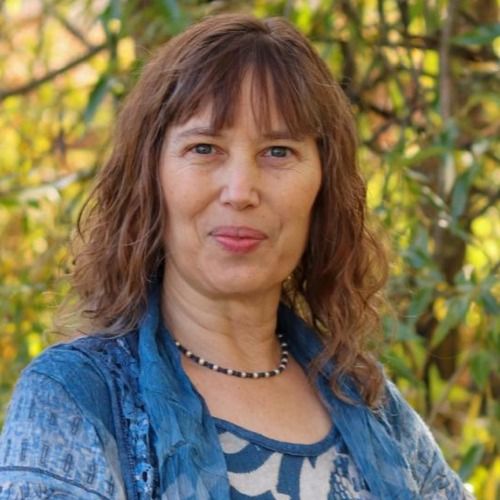
S2EP61-Ronnie Loaiza-Tiny Habits, Big Changes: Transform Your Life Effortlessly!
Ready to dive into the world of habits? Today, we’re throwing the spotlight on Ronnie Loaiza, a habit coach extraordinaire who’s here to help us shake off those unsustainable hacks and get real with our goals. Ronnie’s all about empowering folks to create easy, doable habits that align with our identities and values—whether it's fitness, eating, self-care, or even how we handle our finances. We’ll chat about how to reprogram our thinking with tiny, progressive habits that stick, and why momentum trumps motivation any day of the week. So grab your favorite snack, kick back, and let’s uncover the secrets to making lasting changes without exhausting willpower. You’re gonna love this!
Takeaways:
- Ronnie Loaiza helps people create sustainable habits that align with their identity and values, making personal growth feel like a walk in the park instead of a slog through mud.
- The secret sauce to forming habits is all about tiny, repetitive actions that stack up over time, like building a muscle – you gotta flex it regularly to see gains!
- Setting up the right environment can trigger positive habits, so declutter your space and make it easier to do the things you want to do, like a ninja stealthily moving through life!
- Celebrating small wins is crucial – each little step you take deserves a happy dance, because if you can find joy in the journey, the destination feels way more exciting!
- To instill good habits in kids, model the behavior you want to see and keep it fun – whether it's brushing teeth or cleaning up, making it a game can turn chores into cheers!
- Having a Plan B is like bringing an umbrella to a picnic; you may not need it, but you'll thank yourself later if the rain comes. Flexibility in scheduling keeps you on track!
Connect on LinkedIn: https://www.linkedin.com/in/ronnielolifecoach
A gift from our guest: Figure out which way to Go! Habit - not Hack session
https://ronnielolifecoach.ck.page/c0f7e878d2
Ronnie Loaiza empowers people to create easy, doable habits that naturally drive them toward their goals—whether in fitness, eating, self-care, health, career, finances or personal relationships—without relying on unsustainable hacks or exhausting willpower—And yes at any age of stage of the game. Ronnie's approach focuses on reprogramming through tiny, progressive habits that become second nature, aligning with your identity and values. Her process taps into your innate momentum, transforming your "Habitual Way of Thinking" to make lasting change effortless. Also known as RonnieLo Habit Coach, she is a Master Certified Professional Life Coach, Certified Habit Coach, Certified Personal Trainer specializing in Corrective Exercise, Metabolism and Women’s Fitness. When she’s not coaching, Ronnie loves dancing, watching movies, strength training, traveling, and spending time with her husband and cats
Bringing Education Home is an educational podcast brought to you by Kristina and Herb Heagh-Avritt.
If you enjoy the show, we'd love for you to leave a rating or review on your favorite podcast app!
Please let your friends know they can listen for free on Apple Podcasts, Spotify or their preferred podcast app or online at Bringing Education Home.
Sponsored by Vibrant Family Education - creating Happy, Healthy and Successful kids
Follow us on these socials:
Facebook Group - The Family Learning Circle
Facebook Business Page: Vibrant Family Education
Support Bringing Education Home
Copyright 2026 Kristina & Herb Heagh-Avritt
This podcast is hosted by Captivate, try it yourself for free.
Transcript
I now have the pleasure of introducing Ronnie Loaiza.
Ronnie empowers people to create easy, doable habits that naturally drive them towards their goals, whether in fitness, eating, self care, health, career, finances, or personal relationships, without relying on unsustainable hacks or exhausting willpower.
And yes, at any stage of the game, Writing's approach focuses on reprogramming through tiny, progressive habits that become second nature, aligning with your identity and values. Her process taps into your innate momentum, transforming your habitual way of thinking to make lasting changes. Effortless.
Also known as Ronnie Lowe, habit coach, she is a master certified professional life coach, Certified habit coach, certified personal trainer, specializing in corrective exercise, metabolism, and women's fitness. When she's not coaching her, Ronnie loves dancing, watching movies, strength training, traveling, and spending time with her husband and cats.
Welcome, Ronnie. It is a pleasure to have you here today. Thank you so much for joining us.
Ronnie Loaiza:Of course. And I love what you guys do, and I really, I'm thankful to be here.
Herb:Thank you.
Kristina:Thank you.
Yeah, when we started doing our pre chat around, this is like, what can we do for families that really will help maybe set them up and set their children up for what's going to happen next in their lives? A lot of us like to build new habits, and then sometimes we don't know how to create those habits, and sometimes we're like, what's that question?
Oh, how can we help our children build habits right away so they aren't having to rebuild them later when they get older, like us, older people who are trying to, like, train out bad things and train in new things kind of thing.
So when we were talking, I thought, Ronnie is a great person to bring on, help families really focus on this thing called habits and get some myths out of the way too, because she just told us something that is like, you know what I have, it isn't really. This is kind of like this instead. So thank you again, Ronnie, for being here. We really appreciate your time today.
Ronnie Loaiza:Well, thanks. And you know, to get started is think about it. We are all. We were all babies. We were born with our habits.
We weren't born out of our mommies knowing how to do this and that and automatically doing it. I mean, there's instinct, like, we're hungry, but our mom has to feed us.
We don't know to get up and go to the fridge or grab her breasts or whatever. So. And it's not just a physical thing. We don't know what we don't know. So we have been conditioned. This is what you Do.
This is what will get you food. This is what will get you moving. They start learning, oh, what works, and you start conditioning yourself. All of our habits are conditioned.
Or let's just take it like we're robots. Our computer, our brains are computers, we program ourselves.
So the good news is we can start now showing our kids, not explaining them to them all the science and all that, but actually showing them with repetition, repetition, repetition, which we'll get into. This is how you form a habit. You just make them repeat it. And so they don't have to rely on mom's discipline.
Because when we grow older, we only have self discipline, you know, and we can get rid of that in our most important daily goals without discipline. Because if it's a habit, that's the very definition of a habit. It's innate. You don't think about it.
You don't need to constantly force that willpower, and you don't need to wait to be motivated, because momentum of a habit overrides motivation every day.
So I'd love to cover both of, not just our kids, just real quick, but also your own self care habits, your own homeschooling habits, your own work habits, and that way you take care of yourself and you're creating something for yourself, and it's kind of a great role model for your kids. I'm sorry, you were saying, Herb?
Herb:I was gonna say, how did you get started working with this? It's like everybody knows they need habits. There's not a lot of habit coaches out there.
What got you involved in this and how did it become your passion? What got you into working with, creating habits?
Ronnie Loaiza:Yeah, well, two quick things. What? Why became my passion? It was my passion before I became a habit coach.
And I was a personal trainer like you read, and I still am, but I only have a few select clients. But I used to have 28 on the roster all the time. And then the pandemic hit, and I couldn't drive to them anymore. So everybody went on zoom.
And I had some clients tell me, you know, my boss, you know, my sister, my friend, they're not taking care of themselves. They're not working out, because that was the main thing with me. Or they're not eating right. And so I would offer, do you want me to talk to her?
And so I started talking to people. And we always figured out what the real problem was, because these were, you know, professional women.
They pulled their big girl pants up and they took care of business. But at the time, there was a lot of anxious things Going on. Right. Kids were at home.
I know homeschooling parents know about that, but a lot of parents weren't back then. Everybody's working off the same dining room table, the partner's home. So, you know, a little tension can arise.
As much as you love each other and get along, what we really found out were the reasons why, like, some women were self conscious working out at home. Some women, they their eating change. Everybody wanted to be indispensable for the work.
They didn't want to be furloughed or if they were the boss, they wanted to take care of the team. Long story short, we always got to the crux of what really mattered to them and what the problem was.
And I would treat them like I treated my personal training clients. What's more important is repetition and consistency than the type of workout.
Because you can Google that, you can YouTube it, you can, you can google a diet plan. It's will you do it? Because every diet around the world works.
When people would ask me about them, it's like they all work temporarily if you do them, but then you quit doing them. So same thing with any habit that you want to create. It's repetition, repetition, repetition. Same time, same context, meaning the same environment.
If you're at home or your work or wherever it is, the same context. Because then your brain gets used to that. That's what we do. That's what we do. I'm snapping my fingers for people listening. It's just automatic.
So it became my passion because I would implement one tiny action. Not a habit, an action.
And that's the thing, Christine and Herb, that most people, including myself, start with the goal and everything I need to do for that goal. And we try to do it all at once or, you know, prioritize, but try to do it all within that week, a few days, slow down.
One tiny action will get you on track and as it grows and evolves, will keep you there. Because most people get burned out and overwhelmed, especially when it's not a habit yet.
So my passion became, let's figure out an action you will do that will get you there. And algorithms must have worked because all of a sudden I started seeing, you know, don't look at pink Volkswagens. Obviously you see me everywhere.
All these things started popping up about habits and habit coaching. I found out there are habit coaches. Most of them are in Europe, believe it or not. So I took it seriously.
And just as I had taken life coaching seriously. Because at first I was like, what the heck's a life Coach. People kept telling me I should be a life coach. I looked into it.
I went to school, I did the 150 hours, I got audited, I got mentored. I had to work pro bono and the whole thing, ICF credit. And I took it seriously for my own purpose. Same thing with habit coaching. I looked into it.
I picked a school, and I became a certified habit coach. And it really took a lot of my own philosophy. You asked me about my passion. That was my style. Anyway, so I implemented into my life coaching.
And I love it because it works. Now. Not to say that there's no resistance or that it's easy sometimes for some people, it's not for other people, it's like, boom.
They get on and they develop it.
Kristina:I love that because one of the things that another one of my coach says often is you go slowly to go quickly. And I relate that to what you were just saying about one tiny step and then keep building on it.
Because then once you get the little bit going, then you can build and keep going. And back to the very beginning, that momentum over what is motivation. Yeah, exactly.
So then one thing you also said was that if we're correctly kind of forming these habits, the environment and the situation really helps trigger. Go into that a little bit more.
Because this might be one thing that's really important to parents as they're trying to help their kids learn and teach habits.
Ronnie Loaiza:Okay, well, then we're getting into the process of it. So you want to focus more on your own habit or on how to teach your kids habits.
Kristina:We have a lot of parents listening. Let's figure out how to the kids habits because that's going to be something they can put in place right now and really hopefully help their family.
Herb:But, you know, could also go back to the parents because modeling for children is one of the most effective tools. So let's go into a little bit of both.
Ronnie Loaiza:We will. Okay, first of all, modeling is great, but depending on the age of the children, they may not realize it. It's only subtle.
They'll realize it as they get a little older. I don't know, six, seven, eight. That. Oh, she repeats that. She repeats that. They won't think about it, but they see that their parents. It's their mo.
It's their. It's who their parents are. And that's wonderful because habits are our identity. You are your habits. Your habits are you.
What you do on a consistent basis every day without thinking about it is you. Right. And 40 to 50% of our day, and I Can give you the stats and where to attribute it. 40 to 50% of each of our days is made up of our habits.
That's half our days. So why not create habits that will carry us even when you don't feel like something, when you don't feel motivated. So back to your kids.
When you're teaching yourself or when you are forming a habit, one of the main things is first you have to have an activator. We'll skip over that and go back to it if you'd like. You have to have the right activator. And I joke around and I usually see my palm.
If you're watching, you can describe what my hand is doing.
Kristina:It's blocking your face. You only see part of your eye.
Ronnie Loaiza:Yeah, but I still see you in the peripheral vision. But. But the thing is I see you. You have reddish brown hair, you have a green sweater.
And my palm's still in front of my face for those listening herbs. Wearing a plaid. Well, checkered kind of olive. Anyway, my point is, a lot of post its all of a sudden become part of the wallpaper.
You don't pay attention to that post it. Or you set an alarm, you turn it off, you keep not doing what you were supposed to do. So we have to pick the right.
I know you're banging your head on her shoulder. We both. Yeah.
Herb:That alarm clock thing, that sign thing, I figured it out in college. My year I read all the boards. My. My sophomore year.
By my junior year, I was missing so much stuff because I would walk by that and I couldn't even see it anymore. So I would actually have to every once in a while make a point to go look at it intentionally to see if there was something I wanted to do.
Ronnie Loaiza:Exactly. Because often we have to do lists. We never look at them, you know, or. So we have to pick. And that's what I do as a coach.
I help you really figure out. And I used to do this as a personal trainer, still do. When people would ask me, oh, yoga or cardio. Y. Yes. What do you mean, what will you do?
And this is before I ever studied it because I noticed. What will you do when you least feel like not doing anything or you have the least amount of time?
Not what you should do, not what everybody else is doing, not what the trend is, not what all the gurus say, what will you do? Okay, because then you will do it.
So we have to pick an activator that will get you your brain going, oh, I see this, I do that, or I hear This, I do that, right? So that's picking an activator. Then you boost your ability to do it.
You make sure your kids or yourself, if you're forming a habit that you take away any of the, the stuff that would stop you, you know, let's talk about eating, because that's an easy one. Take out all the Skittles, do away with the donuts.
Tell, you know, tell your, your, your work mates, you know, thank you so much, but don't offer me those cookies or whatever it is. You make sure you have the resources, the, the educational tools you have all yourself up to be able to succeed. Do you have everything you need?
Is your office, your homeschooling office, your space? Is it set up so it's easy to do that habit, whatever it is, whether eating, fitness, studying, you know, study habits, set yourself up first.
And also, this is the thing with adults, you boost your ability also by having those conversations. That was the thing I found out with my personal training clients. Talk to your kids if you want to work out. This is mom space right here.
My time, my space. I love you. Please do not knock on the door. Whatever you share, I need your support in this. Bring them in. Also ask them to celebrate you.
Ask your partner to celebrate you and respect that, whatever it is. So also now apply it to your kids.
You set them up for success and they're not going to tell you what they need, but ask them what makes this easier for you to do. What do you enjoy doing? What do you dislike doing and why?
Ask them and facilitate so that they will do what they need to do or what you want to form as a habit. Right. Whether it's eating or also they need to play physically break times and studying and homework and all that, right? So you.
Kristina:I was actually just thinking even like brushing their teeth, right?
Ronnie Loaiza:Yeah.
Kristina:Does this toothbrush feel better or does this toothbrush feel better? Do you like the taste of this toothpaste? Do you not like the taste of the toothpaste? Those little things that will trick a kid out of it right away.
Ronnie Loaiza:It's funny you say that, but I don't like spearmint and peppermint. I don't like the teas. I don't like the, the breath. Breath mints. I like regular flavors. Right.
Herb:My sister taught me what's regular flavors? Because mint is. Mint is regular flavor.
Ronnie Loaiza:If I have gum, I want a flavor. I want like strawberry, you know, strawberry toothpaste.
Herb:That's.
Kristina:And they make strawberry toothpaste now.
Ronnie Loaiza:I don't like mint Tea. Because it feels like I'm drinking mouthwash. Just me, though. Give me a candy cane. And I love it. But you know, I will never say no. I'm polite.
If somebody gives me that, of course I'll drink it. But the point is, my sister never asked me this. I don't know if I ever voiced it. I guess I haven't. She heard me.
She gave me purple toothpaste, and it tastes like blueberry, and it's awesome.
Kristina:I love it. I love it. Yes. See parents, go find out.
Ronnie Loaiza:Yep.
Kristina:And you might end up with four tubes of toothpaste on the counter. But that's okay.
If it makes this habit easier for your kiddo to jump in there and get it done without you nagging and creating tension before they go to bed.
Ronnie Loaiza:And we want to be careful and explain this doesn't exist all over the world or you might not find it. If you're traveling, you do have to set them up so that they are flexible to be polite.
One, if they're fed something they don't usually eat, or when they travel, it's like, oh, my God, I don't have my strawberry toothpaste, so I can't brush my teeth. I mean, that's silly, too. You have to converse with them and teach them that as well. But okay, back to forming habits. This is really important.
You boost the ability so you take away any barriers. And you put up barriers. Right. You make it so that you can do it. And you have those conversations also. Celebrate.
People often say they want accountability, but where I see when people have problems is that they didn't do something and they hide and they ghost their accountability partner or, hey, their coach or whoever. And it's because they didn't do it. They don't want to think about. They're not in the right mind space. Like, oh, I ate that thing anyway.
And so I make it. Accountability is nothing more than taking responsibility. Why is that a bad connotation?
How about I took the responsibility, I did the minimal amount. The minimal amount is still something. And you're happy about that. You celebrate it. If you miss once, you missed it. You missed twice.
Okay, we got to look at why not to chastise yourself or your kids, but really see why. Okay. And then you figure it out. Maybe what you chose, that action you chose isn't going to work. Excuse me. So I see as. Put on the white lab coat.
I know I'm getting a little off track, but when I work with my clients, we decide. I mean, we really whittle down like five actions and they usually want to do two or three of them. Like, no, no, no, no, no. Pick one, right?
So we pick one and then they're going to work on it two or three weeks. And most people want to go faster. It's like, you know, how long did it take you to not do this in your life? You know, how long did.
How long have you been with your bad habit? How long have you been existing without it? For most of it's all our lives or years. Right? So it's not going to happen in a week.
Stop with the quick fixes. Go for consistency. And then the white lab coat. Data track it. Data track it. Is it working? If it's not working, why?
If it is working, why that kind of thing. You see what works? Experiment. And 90%.
I'm giving just that number because I'm thinking most of my clients, it works when we slow down and go slow and celebrate it, right? A lot. Every time you do it, celebrate it. This is why. So we'll be scientists now. When you do something that's a bad habit, you get a dopamine rush.
You get a reward. Even if you don't like that bad habit, you're doing it for a reason. Why is it filling a void? Is it calming you down? Are you stress eating?
Mindless eating whatever. You ain't got no time because your kids are rushing around. You got a schedule. Okay, we find out why you have such a bad habit.
And a good habit gives you that dopamine rush. Your brain doesn't know good or bad. It just knows a reward. That's it.
So when you celebrate yourself, and the more somatic, the better, meaning more senses, the more it enters your brain. If you not only celebrate it as you're on your way to do that habit, a lot of people don't do that one. But this is great. You're on your way to do it.
I'm on my way. When you say it out loud, it enters your brain. Your brain goes, okay, you know when you get that activator, I'm doing it. Done, noted, capable.
I have my finger on my forehead for those listening. Done, noted, capable. That's all your brain knows, gives you that reward afterward. I did it. And your brain really goes, yes, you did.
It doesn't have emotion. Your brain doesn't have an emotion. You have the emotion. You're the one that puts the connotations on it. And I even have like my personal train.
Let's go back to that. I had 1 lady 4 kids, full time job, the whole bit. She really didn't want to strength train. She barely walked.
But okay, we got her walking, but that's all she likes to do because it's easy. Put on the pod, you know, podcast, whatever, walk great.
But her own doctor told her for her blood pressure and because she's going into perimenopause, she needs to build muscle because women lose muscle mass, so do men. They go through andropause. But that lowers our metabolism because the more muscle you have, the more of a metabolism you have.
So he really wanted her to start strength training and she hated it. She just had in her mind that she hated it. So we got her to do one thing a day. Just biceps today, glutes tomorrow, triceps the next day.
I don't care if it took you one minute or five minutes before your walk. See, that's habit chaining. Some people call it habit stacking. I like linking something to you or to something you already do.
And she would literally go on her way. I hate this. And I'm going to do it anyway. See, Notice I didn't use the word but. But it's like putting this boom, yeah, wall up. But it's so negative.
I hate this and I'm on my way. So your brain knows you're not lying to yourself. It's like, yep. And as she was doing it. I hate this. And I'm doing it anyway.
I thought I hated this and I did it anyway. It really starts dissolving. She stopped saying the word hate. She didn't hate it anymore.
Because when you start saying it's like she would almost smile. She told me she would start giggling, you know, but it took two or three weeks to get this to the giggle.
Herb:Oh, it took me like six months of going to the gym. So I'm kind of a different story. But I was going to the gym and. And this brain stuff is, is my bag. I hurt my head.
I had to claw my way out, out from nearly dead to bring myself back to life. And when I was going to the gym, on my way to the gym, it'd be like, man, I really don't want to go to the gym. And it's like, good.
That means I am building up a strength to get through this resistance. And so there were days where I'd go to the gym, like, oh, can't wait to get there. And there were days like, man, I really don't want to go today.
And it's like, good, good. I don't want to go Today, because I'm going anyway and this is building.
Ronnie Loaiza:Take out the word but. But. Yeah, you already did that. No, that's good, because you're not lying to yourself.
Kristina:Yeah.
Ronnie Loaiza:And this is why that's important. And I'm not all woo. I'm a pragmatic woost, if you want to call me that.
But when you just say affirmations and inspirational motivational things, if there's one grain of sand, of doubt, or you don't really believe it, you're just trying to force yourself to believe it, then your brain, that one part, knows that you don't believe it and tries to prove that disbelief always.
Herb:Why?
Ronnie Loaiza:Because human beings and animals alike don't like change. Our brain only knows that change is just not you, and so it thinks it could be dangerous. That's why we don't like change.
Even if we don't like something like you going to the gym, it doesn't. Like when you were talking, I'll do nothing.
Herb:Yeah, when you were talking about tracking and doing my. My body went into an anxiety reaction. I actually started physically hurting and it was hard for me to stay sitting here.
I have a dog in my lap, which is because it's like I, When I hear that, it's like I have. I have weird stuff going. And I'm doing a lot of internal work on that right now, specifically. So I, I am doing what they call the work.
I'm going in and I'm sitting with this and I'm trying to get into. Into like, original feelings and let that go.
Ronnie Loaiza:So it's like, how about you don't let it go? How about. And we're not going to turn this into a herb coaching session. We don't have time. But how about you just accept it?
Like, oh, I don't like tracking. Find another solution. Maybe somebody else can put a little check mark as a. Oh, yeah, I don't track.
Herb:I totally accept that. But it's like when you, when you were talking about, like the mint, and it's like, oh, yeah, I just don't do that anymore.
So, yeah, I just don't track anymore. So when I hear that, my body still goes into reaction, even though I know I'm not necessarily going to do that.
And so those trigger things, it's like, that is something that I actually have to work on regardless of whether I'm going to track or not, because I don't like those feelings in my body when, When I hear other people talking.
Ronnie Loaiza:To dive into why, what that it does to you. That you think is punishing, because maybe it's not punishing, but that would be another thing.
But also that's why you are exactly why my accountability is celebrated. Accountability? Yes. Even. Even the people are like, well, I'm not into all happy, happy, pat myself in the back, give me a high five in the mirror.
You know, some people are not like that. So, like one. One client's like, that's just not me. I'm like, what will you do to validate yourself? Just to acknowledge it. And she.
She's very mathematical. She. I work with people on Voxer. I don't know if you know what that is. It's an application. And so it's only for my clients.
That way I don't get family, friends and all that. So on Voxer, they go in and she started just doing the green check emoji. That's it. That was it. It worked for her.
It took literally two seconds, one to open up the app, one to put the emoji. But it was her way, her brain, of seeing that green emoji and tactically go back to the somatic. Her finger had to do it.
Now, if you're doing something like the lady I was telling you about with her weight training, by the way, she's lost weight and her blood pressure has gone down. It's awesome. So she's happier. But when you write it, for example, more so than type, but you can type, write it and say it out loud.
You are moving your hand, you're vision is looking at it, and you are saying it. That's three things. I mean, you can get more ritualistic and light a candle every time you do it, but the more, the better. Smell.
But the more you do somatically what fires together, wires together. So, Herb, maybe just think about what you don't like to do, is celebrate it. I'm not tracking and I'm doing this instead.
I'm not tracking and it's okay.
Herb:Tell yourself I really like the and instead of the but yeah, and I.
Kristina:Want to bring this around to the parents really quick. Think about whenever you're helping your child potty train, right? Whenever they actually want to go into the bathroom.
When they actually go to the bathroom on the potty, you're doing the happy dance and you're making all this noise and getting them to slap and be happy too. Because again, it's setting it into their brain. Oh, I'm doing something that is good for me. And I like to do it because we get to celebrate, right?
Ronnie Loaiza:And like, when they start making their bed. That habit. Right. As soon as they get up or whatever it is that you're teaching them, celebrate it.
And, you know, I'm not telling people how to a parent, God knows I'm no expert in what's the best thing you do. You obviously, without violence or anything like.
Kristina:That, it doesn't have to be food. Right.
Herb:Gen X are here gonna talk to other parents here and grandparents because don't pat yourself on the back. Don't blow your own horn. Don't break your arm patting yourself on the back.
Kristina:Yeah.
Herb:Growing up, it's like every time it's like, wow, that was. Hey, come check this out. It's like, oh, what? You toot your own horn? You think you're. So we were conditioned exactly. Not to celebrate that is.
That is our programming.
Ronnie Loaiza:And then we went.
Herb:Ability. For me, accountability is shining a light on what I didn't get done. So all of the accountability calls for my businesses over the years.
It's like, what did you do? Okay. What can you do better? To me, that's like, well, what did you do wrong? Not. Not. Hey, loud. Look at how much you did. It wasn't.
But you still got something done, and you still got. And you still got something done. So that. That and is. Is tremendous for me because when I.
When I was digging myself out of my dark, deep hole, it's like I was making tremendous progress, but I was still in a deep, dark hole, and I couldn't see it. So every time I made a step, I was still miserable and I couldn't see it. So it took me years to be able to start to celebrate how far I got.
And I had to do it by looking backwards. So parents don't let it get that far Start.
And if you feel this, if you feel these things even a little bit, a lot of times it's because you're unsure and there's not. And you don't have a habit or a pattern in place. So that creates an anxiety within you. So if you feel that, it's like, great.
That's a place where I need to build a habit so I can be more secure when this comes up next time.
Ronnie Loaiza:Yeah. Because you were conditioned not to boast about those. And you said something really enlightening is we went to the other end of the spectrum.
I think another generation started to retaliate, where you just award and reward everybody for everything. It's like everybody gets a certificate and a trophy. It's like, okay. But then there's no competition.
What you Know, there is a Super bowl for a reason.
So we, we have to find the happy medium of if you're going to do this as a competition or you're going to do this for a reward, make sure that it's fun and it's, it is just that. It's the game, it's the thrill of it, it's the execution, you know, and that's the reward.
And if you, you know, as a parent, I always think, did you honestly do the best you could do under the circumstances? And if my kid says yes, it's like, then that's all you could do. What do you want?
Herb:Yeah, if you can get your kids to get their dopamine hit from, from the effort.
Ronnie Loaiza:Yes.
Herb:Then the effort becomes the reward. If they only get their dopamine hit when they get their goal, then the effort in between becomes work and it's not celebrated.
So if you can celebrate the work and then the goal is just a cherry, but celebrating the work along the way, getting the dopamine in the effort instead of the reward, instead of the.
Ronnie Loaiza:End, and then they start enjoying it. Yeah. And I'm going to go back to what I had started saying about discipline. Of course you're, you're, you're the parent.
You know what discipline and punishment are because you know when that should go in. Right.
But to discipline for this littlest thing, there was a time like you said, maybe your grandparents or before or really militant parents that would just discipline for everything. That leaves marks on kids. And that's generational.
If it's not a big darn deal, then, you know, not too much explaining, you are the parent, but explain the repercussions of them not doing it. They're gonna start growing up and realizing, yeah, you're right. If I don't make my bed now when I'm older, girls won't like it. Right.
Or it's so nice to slip into a well made bed. I don't know why I chose the bed.
Herb:I probably don't want to tell that to a boy until he turns about 12 because then he'll leave his bed messy on purpose because girls have cooties.
Kristina:Yeah, right.
Ronnie Loaiza:Just tell them this when you get into college and a girl sees your dorm. Well, maybe you shouldn't tell them that. Or if you're, if you act like a frat guy when you're 30, there's a problem.
Anyway, we're slipping back because there is a fourth component. So validate your tiny step.
Because every tiny step on the days you don't feel like it when you're not motivated or your kids, you know, organization calls, you know, something happens, your client, things get in the way. Your brain already picked the most essential habits to drive you through your day. The other. So it prioritizes for you.
And at the very least, if you did that one little action, you stayed on track and you went another little mile. Usually it's more. But if you only go a mile, and I shouldn't even say if only that you went a mile is better than not doing it at all.
Kristina:Yes.
Ronnie Loaiza:Yep.
Kristina:Yeah, absolutely.
Herb:And one of the things you said about the. The 50 of your day being active, that's actually only about 5%, because the other 45% are the habits and actions.
So it's like you think you have a choice, but your choice is predetermined. And, you know, it's like, what are you going to have?
When you go to a restaurant, Christina always looks at the menu and she always orders the exact same things. Like, what's the point of even looking at the menu?
Ronnie Loaiza:That's your habitual way of thinking. So great segue, Herb. No, 40 to 50% of your day are habits, is what I'm saying. Not like, oh, then only 40% of that 50.
The other 50, they're not your habits.
Herb:Right. And even in those choices, even if you think you have a choice, you really don't. It's like your choice is made before you get there.
You just have to pretend to go through it.
Ronnie Loaiza:Oh, and this is really important, especially with kids. I'm sorry, I didn't let you end your sentence. Especially with kids. Before I forget is people mistake routines for habits.
Your routine can change every day. We'll take it to an easy one. A workout. I'm a personal trainer. I'll tell you, you gotta change your routine.
But your habit of doing it every day, even if it's five minutes of something, even if it's just getting out. Let me tell you a study. It's a series of habits that make up your morning routine. It's a series of habits that make up your sleep routine.
I'm sure parents have going to bed routines that take an hour, half an hour, 20 minutes, whatever it is. But that whole routine is made up of little habits. Or you should. And here I do, to use the word should. Don't give should a bad connotation.
You should make a routine because that's what kids get used to. Kids need guidance even when they retaliate. Right? So. So back to that. Is working out for example, it's weird if I don't. And there was a study.
God, I forgot his name. I think it's James Corley. Jim Corley. Anyway, he was on 60 Minutes and CNN and all of those. Back in the day. He studied the millionaires in the world.
And this is about 12 years ago now. He would be studying billionaires. Right, right. He said the millionaires and that. All the millionaires. I take that back. I'm sorry.
73% of the millionaires, which is a big deal then. Million. 73% worked out or did something physically active seven days a week. Now, let's say they had rest days.
Let's say they only went to the gym or what we consider a workout four times a week. Three times a week, five days a week. Those other days, 73% of them said they would go out and do something. Mow the lawn, go play Frisbee.
Kristina:Yeah.
Ronnie Loaiza:Play with the kids. Go surfing. They. They could not just sit there and eat Cheetos and watch football unless they were sick. They had to do something active.
Even if they watched football a day, they would go outside and rake the leaves or go for a walk real quick or something because it became part of their identity. So when I travel, for example, I usually work out at the end of the day after everything's done. I work out, I shower, I'm good to go.
For the evening, I'm all clean. I. But when I travel, I don't want to impose my working out on my family or my husband. You know, I have to go back and mom has to work out.
No, I get up a little earlier than everybody else. I hit the hotel gym. If there's no gym, then I do whatever I want to outside because I don't want to disturb them in the hotel room, whatever.
It's still my identity to do something. It's weird. If I don't, I feel like a slug. So I don't have to worry about it the rest of the day. So that's what I mean is your habit. You got to do it.
It's like you're not going to go for. Everybody uses brushing your teeth. I hope you don't go for four days without brushing your teeth.
I know there are times like, oh, my God, I didn't brush my teeth. I know when you have babies, a lot of mothers have said, you know what? I haven't washed my hair in a week. Got it.
It's not your habit to wash your hair every day anyway, right?
Kristina:Yeah, yeah, all those things because, yeah, I Mean, and that routine, like we were talking about, those habits that are in that routine, it's very important to have them. But then it also goes back to the automatic that we were kind of talking about. Right.
We talk about when parents and kids especially are under stress or big changes are happening in their families. Their brain gets to shut off and just go into that habit routine. Really stressful days.
And then they aren't as stressed because they know, oh, it's this time. Now I get to do this.
Herb:Yeah. I had a very consistent gym routine for years. It was part of my identity. When I missed it and I didn't, I. I started snowboarding.
I mean, I did all sorts of stuff. I was always active. And then when I hurt myself and that all kind of went away. I missed that. I missed that tremendously.
My body misses that tremendously. But I also broke all of those habits and a lot of the structures that kept that going with. With the brain damage. And again years.
And I'm developing and bringing those back as I can. And I'm to the point where some of these are starting to kick back in. And my physical fitness is very. Is becoming very important to me.
Ronnie Loaiza:And it's important not only to celebrate yourself, but ask for celebration. Go ahead, ask your kids. Ask Christina to celebrate you when you go and when you come home and you worked out. Yay. I mean, it's important.
Ask for celebration. Why not? Now this is really important with kids, I'm assuming, and maybe I shouldn't assume. I should ask you.
Do most homeschool kids eventually, junior high age, high school? Most. I'm saying majority. And I know this is broad brushing. Start going into the public or private school system or at least in college.
Kristina:Nope. If they choose to go to college, they set up the skills and things so they can go into college. Yes. But there's. Yeah.
Herb:A lot of times what we do when we're homeschooling them is we. We. They're already kind of more on their life path.
And if they have something specific that they need in college, they go for that specific thing instead of going there to try and find themselves or to just generalize that, they go for more specific purposes, more targeted applications. Because we also kind of teach a more entrepreneurial learning style where they master something for. For three to six months.
And if they want to, they can go deeper and then they can spread out or move. But so it's more of an entrepreneurial style instead of just the. The strict academic. Make it through these topics styles.
Ronnie Loaiza:So they start Finding out a little bit of, oh, this might be something. Or I like this. Or I like something about this.
Herb:Yeah, Actually, colleges are heavily recruiting homeschool kids to go to college because once they're there, they're so much more academically capable. They schedule their classes, they do their work.
They don't require as many resources from the, from the administration to help them get through colleges because they're, they're more. They're more competent on the life stuff than most of our kids going through high school right now.
Ronnie Loaiza:Yeah, and I'm glad you said the life stuff because you also bring up lifestyle. It's part of their lifestyle. Their work style and their study style is part of their lifestyle. So the reason I asked you the question is because.
Habits, again, like I said, it's weird if you don't do it, it's not you. I mean, if you skip it once, like when I travel, maybe I don't get to work out for a day.
If you're traveling 20 hours in a plane and airports and all that, that's okay. You know, I did what I could. I take a walk around the airport if I have to wait for a plane.
You know, I've been known to do squats and all that and push ups while waiting for a plane. And people just watch me. I have done it.
Herb:But you know what everybody's thinking when you do that? They're thinking, I wish I would do that. But I don't want everybody looking at me. I see people doing that, like, oh, God, I'm just sitting here.
I wish I had the ball. Yeah, yeah. So there's no shame in that at all.
Ronnie Loaiza:Man.
Herb:I look at people with envy when I see them working out.
Ronnie Loaiza:Well, good, good. It's an inspiration. But here's the thing.
When you are setting up your habits and when you create a habit and when it's part of you again, it's that you do it. And it's weird if you don't.
So they start acclimating when they go off, like to camp or summer camp or they travel or to stay overnights or, you know, with their friends or visit different family and eventually to a different school. It's not that I have to eat at 12 and I have to study at 3. And I have to know it's not that. Yes, to create a habit, you have to have the same.
Just to give your brain same time, same context. But after a while, it's like, you know, you will do it. You will do it by the end of the day. And I'll get into the plan A, Plan B.
So when they go off out of the home and as they're growing up, it's okay that they go to college and they have a different scheduling. You know, some classes aren't 8 at night, some classes are 8 in the morning. All that stuff. Right. And you eat when you can or whatever.
But their basic study habits and work habits and rest habits and all that is part of them. They will do it through the day and they adjust to that schedule. As long as they do the most important things in their way.
It actually helps you be flexible.
Kristina:Yep. That is amazing and awesome. Yes. We are setting our kids up to be so much stronger and better and self sufficient and know how to celebrate.
Ronnie Loaiza:I love it.
Herb:Yes. Getting children used to scheduling habit. Getting a habit of scheduling. Amazing. I can't do it. I'm rubbish at it. Still. Still affects me.
In the 55 years later. There's still scheduling issues I have. I know I celebrate it and I have tools and stuff to work around it and I was good at it now.
Ronnie Loaiza:Yeah. And you can. And that's something you can work on. But I, I totally get it because you already tell yourself every day, I suck at it.
I'm not good at it. Well, you're, you're just reinforcing that by keep saying it not and keep getting a negative connotation.
Find out what kind of scheduling works for you. You know, there are different ways. Not everybody time blocks.
Herb:This is, this is my scheduling.
Kristina:Scheduling works for me. I know I get to tell them what to do. No, just kidding.
Ronnie Loaiza:We work together. That's just it. We need to ask for help. Also, when you're forming a habit.
Not, not that I'm giving away all the toolkit, you know, and everything in the toolkit because you're not going to remember all this. So you can ask me, you can get a hold of me, but this is really important. This is really important.
If you'd like to write it down, put in your notes, in your, in your phone. If you're listening to this on the phone, always give yourself a plan B.
Kristina:Yes.
Ronnie Loaiza:If you say at this time, I'm going to do this in this context like in my office, in our study room and wherever my bedroom at the gym outside. I will fill in the blank at this time at this place. Right. Plan B. If, then if fill in the blank, then I will do it at this time at this place.
Change the time. Already have the plan B. Herb likes.
Kristina:Oh, that's.
Ronnie Loaiza:That's a Flexible schedule. But put it in your schedule. Yeah.
Like if I don't get it, get to this at 10am like I usually do, because something happened not of my control, then I will do it at 4pm you see when and where you can do it, but you will do it just like my traveling, my working out. Yep. Always have a plan B. Plan A, Plan B. And if we can teach our kids that, they have no excuses. Well, I couldn't do it at this time. Okay.
What was your plan B?
Kristina:I really, really love that because that also goes into like studying and things like that.
Ronnie Loaiza:Right.
Kristina:If, if we end up going on a field trip or something, what's your plan B? Because you still have that assignment that's due or you still have that homework that needs to be done. What is plan B?
To make sure it continues to get done. I love it, love it, love it.
Ronnie Loaiza:Yeah.
Kristina:Ronnie, this conversation is just blowing my mind. And so practical and down to earth and so awesome. Thank you so very, very much.
Herb:And feeling so called out.
Kristina:So called out right now. Our habits now.
Herb:So all you parents, you're feeling called out. You're not alone.
Kristina:Yep. So was there something that we didn't get to today that you really wanted to talk to our parents about?
And then I'll have you share your contact information because I bet there's a bunch of people are like, I need to talk to this wonderful lady.
Ronnie Loaiza:I just want to share that there is a difference between giving yourself grace and an excuse. Okay? So really be honest with yourself. Is it an excuse or is it giving yourself grace? That said, it leads me into my real message.
Yes, we're talking about education and our kids. The most important thing is your own habitual way of thinking. What you put bad connotations on. Give them good connotations and self care. Habits.
Self care, self care, self care. That's why I said the excuse. And giving yourself grace, giving yourself grace, but it's really an excuse is not self care. It's the opposite. Right.
So take care of yourself and implement it. Ensure that, yes, you're busy. Guess what? You always are going to be busy. Things will always happen. Make sure the most essential things are habits.
And it's never too late in the game or you're never too set in your ways to create a good habit.
Herb:All right, I'm going to throw a little PSA in here too, because I got brain damage. Habits are not easy for me. I, I, One of the hardest parts for me, creating habits for myself is when the brain damage hit I stopped liking myself. I.
My life came, and so I have problems liking myself. And I'm working through that with coaches and my own professionals because I need to.
And as I'm starting to like myself more, it is easier to start to develop habits. So if you are in a place where it's like, I want to develop this habit, and you start and it's.
And you're running into such resistances, and if you drill down a little bit, it's like, oh, I'm not worth doing that. I don't like myself. Maybe, maybe think about getting a coach and getting some help because you are worthy.
These feelings and thoughts are just feelings and thoughts, and they are not who you are. And habits and developing these very tools that you're resisting will help you break through that.
Getting an exercise routine can help clear a lot of this out. Creating diet routines and stuff can help your health. And again, clear all of this out.
So all of these things that are stopping you can be helped by the things that stopping you from. So get some help. If you are just absolutely stuck and in that place because I needed it, she needs it. We all. We all need it. So. So don't.
Don't be ashamed and reach out for help.
Ronnie Loaiza:Oh, no. Be proud of it, actually. And.
Herb:And reach out for help. Yeah.
Ronnie Loaiza:Oh, thank you. Thank you for sharing that. I know that that's personal, Herb, so thank you for sharing that. Yeah.
Kristina:So, Ronnie, how can they get a hold of you? So go and say it out loud. And of course, everything will be down in the show notes as well. But how. Just say it out loud for him.
Ronnie Loaiza:Well, I love my website because you can see what I do and who I'm about and what I'm about and see testimonials, reviews, and all that stuff. It's Ronnie Low. Life Coach.com R O N N I E L O L O is for my last name. Life coach.com Ronnie Lowe, life coach. And I'm always on LinkedIn.
Yes, I'm on Instagram, but that's more for cat videos and stuff. It really is. It's for fun. But I'm on LinkedIn. I post a lot there and I'm on Facebook. So, yeah, I would love to connect with.
With you if you have any questions and you want to think, what do habits have to do with my life? How can I implement it? You know, that kind of thing. That would be great.
Kristina:Perfect. Awesome, awesome, awesome.
And again, thank you so merit very much for being so forthcoming with information, some solid ideas, parents, audience, whoever is listening. Take these gold nuggets that were just dropped into your hand. Hold on to them and pull. Pull them out and use them over the next week or so.
Matter of fact, pick one thing right now, that one little step that you want to take, and get it started right away. Don't let this just be something else that you listen to and then not implement on.
Thank you again, Ronnie, for being here and audience, you know, like, share. There's somebody in your world who this could just brighten up their day and tip them over the scale in the good way, in the past, positive way.
Oh, they're gonna be able to take that next step because something inspired them. So thank you for being here today.
Herb:Yes, thank you for being here. It is a pleasure to have you.
There are so many people that talk about habits or when they do finally figure out, they just keep it to themselves because they don't have time. And you are out here taking your message to the world, spreading it out and. And helping make the world a better place. And that is what heroes do.
So thank you for making the world a better place and for being on our show today.
Ronnie Loaiza:Oh, I love contributing and I love taking part in this with you. Thanks.
Kristina:Okay, audience, it is time to make sure that you're reaching out, right? If you are looking for habits, go see Ronnie.
If you're looking for help with your homeschool, your education, come see us@vibrantfamilyeducation.com you have wonderful people sitting right here talking to you, saying, we are here to give you that help. Don't be embarrassed, don't be ashamed. Everyone needs help once in a while.
So share the podcast and we will see you next time with another wonderful person that will help you and your family. Until next time. Bye for now.
Ronnie Loaiza:Bye for now.