Episode 82
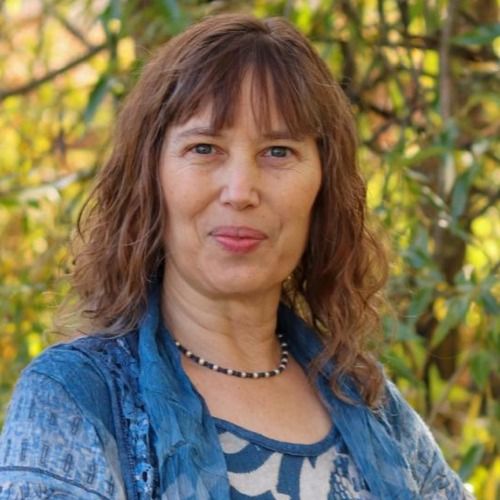
S2EP82-Ly Smith-Parenting and Positivity: The Candy Method for Bold Leadership!
Ly Smith’s vibrant personality shines through as she shares her journey of self-discovery and empowerment in this engaging podcast episode. The conversation flows through her personal experiences, touching on the challenges of overcoming self-criticism and embracing bold leadership. Listeners are introduced to the Candy Method, a unique framework that combines clarity, affirmation, necessity, discipline, and the essence of “you” to foster growth and confidence. Ly’s storytelling is infused with humor and heart, making complex concepts accessible and relatable. The episode also delves into the importance of community support, particularly for parents and entrepreneurs, as they navigate the ups and downs of life. With practical exercises and a call to celebrate small victories, this episode inspires listeners to recognize their worth, embrace their inner child, and take actionable steps toward a fulfilling future. Tune in for a delightful mix of wisdom, laughter, and motivation as Ly invites everyone to join her on the journey of self-reinvention.
A gift from our guest: "Don't Say That, Say This" Positive Self Talk Guide
A pdf you can print and have handy at your desk, as a wallpaper on. your phone, or taped to your bathroom mirror so you can be aware of the negative inner critic and reframe it into an empowering self talk!
Bringing Education Home is an educational podcast brought to you by Kristina and Herb Heagh-Avritt.
If you enjoy the show, we'd love for you to leave a rating or review on your favorite podcast app!
Please let your friends know they can listen for free on Apple Podcasts, Spotify or their preferred podcast app or online at Bringing Education Home.
Sponsored by Vibrant Family Education - creating Happy, Healthy and Successful kids
Follow us on these socials:
Facebook Group - The Family Learning Circle
Facebook Business Page: Vibrant Family Education
Support Bringing Education Home
Copyright 2026 Kristina & Herb Heagh-Avritt
This podcast is hosted by Captivate, try it yourself for free.
Transcript
I now have the pleasure of introducing Ly Smith.
Ly is an inspirational inspirational speaker, six time international best selling author and creating of the Candy Method, a proven framework that transforms self talk from self doubt to self direction. She helps women entrepreneurs and professionals quiet the inner critic, amplify confidence and step into bold leadership.
With over 30 years of personal growth and positive psychology research, Ly equips audiences with practical tools and inspiring stories that create immediate shifts and mindset and performance. Welcome Ly. It is a pleasure to have you here today. Thank you so very much for joining us.
Ly Smith:Thank you so much. I'm excited to be here and yeah. Share my insights on rewriting self talk.
Kristina:That is so amazing.
And then one of the things that we love doing with our podcast is, is reaching out to the different kinds of moms, different kinds of parents that we have in the audience. Right?
So we have our, our homeschool parents, we have our public school parents, we have our people who go to work nine to five every day and then we have our entrepreneurs because a lot of entrepreneurs is like, oh yeah, I can homeschool now because I have this flexibility.
And so it's wonderful to have someone like you come in and just kind of really share some of the things that can help all of our parents in some ways. And for those entrepreneur parents, they maybe take another good step forward in their business and their famil.
So again, thank you and welcome to the show.
Ly Smith:Oh, my pleasure. Wonderful to be here.
Kristina:Let's start with the passion, the pivot. What happened in your life that caused this pivot into this passion of sharing about what you do?
Ly Smith:Yes, thank you. Wonderful question. I think the turning point for me was when I was standing on a lava beach in Hawaii. I was there with my family. We, we had 23 days.
Yes, that is two, three. 23 Days in Hawaii across the four main islands there. And that meant 22 sunsets. And there was one particular sunset where I was looking out.
My husband was standing ahead of me with his passion for photography and he had the camera and he's trying to get the light just right. My young teenage daughter at the time, she was at my side of my arms and we were having our, our wonderful mother daughter moment.
And off to the other side of me was my GR. Stepson and his then girlfriend. And so I'm surrounded by people that I love in this beautiful paradise.
And I'm thinking, what an amazing moment that I'm, I'm here on this lava beach looking at this gorgeous golden orb setting on the jewel sapphire horizon. The breeze is caressing our face. The waves are lapping softly at our feet. Who gets to do this?
And I'm thinking and I'm thinking and I'm thinking and then I catch myself thinking because I was only thinking because my thought was, where's the feeling? There wasn't excitement, there wasn't the happiness, there wasn't anything. It was just this numbness and proceeding through my thoughts.
And to keep it short for a respect of time, I recognized I was in a depression and that was not good enough. So I drew a line in the proverbial sand and said, well, there's a new year coming around the corner. I am going on a quest to figure out who I am.
And I came home stateside. I chose a word to anchor my journey.
I chose the word laugh because recognizing I was in this depressive state that I'm like, when was the last time I really laughed? And I chose activities that aligned with, with that laughing.
So it started from moving from the bed to the corner of my couch watching reruns of Friends because that's my favorite sitcom.
And I was down front and center at the local theater almost every weekend because I was very blessed with a local theater troupe putting on an improv show. And then with the networking that I was doing in my local community.
I knew the people who had an amazing sense of humor and I thought if I can just get in their space, maybe some of that energy would rub off on me. 30, 60, 90 Days into doing this, my joy showed up and it actually whispered in my ear and it said, now that I'm here, what do you want to do with me?
And behind that question came this sound of like little skipping feet and this little girl's laughter. And it was my 8 year old inner child because I was 8 when I was first exposed to public speaking and I fell in love with it.
And she said, remember that feeling that we get from public speaking? Let's go chasing that. So then upon deeper reflection, and I thought, well, what am I going to speak about?
And I thought, well, I've come out of this depression. Well, if I take a look at more more specifically at what I did, you know, could I use that to teach others?
And this is what formulated the foundation that I now call my candy method. So the C stands for clarity, which is I got clear on who is Lee, what makes her happy, what makes her come alive. And then the A is affirmation.
And so that's really looking at the self talk. Like I chose the word laugh to help me through My journey. And then the N is necessity.
And that was looking at, well, what are the next best steps to move me from point A to point B? I was moving from stay at home mom into becoming an entrepreneur and professional speaker. And then the D is discipline. I'm like, well, what do I do?
What do I actually do so that I take the action instead of staying stuck in overthinking, analysis, paralysis, the self talk, I'm not ready yet type of things. And then the why is all about you. Where it's looking at. I did that. Oh, okay. And then boosting the competency confidence loop.
So I would go and take the next step again and again. But if I couldn't celebrate who I was in the efforts, whether it was moving from the couch.
I'm sorry, from the bed to the corner of the couch, or putting in a speaker application for the next thing, then. Then I really couldn't move as fast as I wanted to. And so being able to celebrate that.
So looking at where I moved from depression to direction with intention, that's where the, the candy method came together. I thought, oh, because I walked myself through that. Can I help others do that? And then in the client studies of yes, I can.
And now that's what I take out into the world and share.
Herb:That's really beautiful. So I. I hurt my head, dropped into a dark place. I've kind of got myself mostly out of that dark place.
But a lot of the stuff that you talked about in your acronym, still not very easy for me. It's like, I still don't know what I want. I just don't want to feel like I'm dying all the time. And that's how it started. Right.
So, yeah, I now don't feel like I'm dying all the time. But I also don't necessarily know what I enjoy. I don't know how to go out and have fun.
So I stand on the beaches like you're talking about, and it's like, wow, I see the beauty here. And it's like I can sense God, but it's like there's not a relationship. It's just kind. So how, how, how did you.
Kristina:First strategy, first tip.
Herb:Because it's like, because I've been working with different coaches and stuff, and it's like all I was like, what do you want? And whenever that comes up, it's like there's just this big blank that comes over me.
And if they keep asking, I shut down and it turns me off and I have trouble even talking after that. So how do we break through a hard case like mine where I am so smart, I overthink all of the stuff that you can do.
Ly Smith:Oh gosh, I totally hear you on that.
And, and you know, you are so not alone because if we, if we took a microphone and went out on the streets right now and just grabbed random people and asked them what makes you happy 85% of the time, we would get what doesn't make them happy. And I'm like, okay, I get that, thank you for sharing. But the question is, what makes you happy? They would be, I don't know. I don't know.
And so it really is, is an awareness.
What I, what I invite you to do is when you can find a quiet space where you're not going to be distracted and you're also in a physical state of like, hey, I do feel pretty good. It doesn't have to be screaming, high energy type of place, just where, hey, things feel pretty good.
I feel like I can let my thoughts flow and if you can grab a piece of paper and, and a pencil, pen or pencil and either doodle, because drawing is great and I don't care if it's a five year old stick figure type of art, you know, whatever makes sense for you or you can just stream of conscious right out, hey, what makes me happy, what lights me up, what, what makes me feel excited in a jump out of bed type of sense and just allow it to flow. And you're, and as you're writing or drawing, you don't judge it there. Nope, not allowed.
You're just allowing it to come out and you know, so whether you're like, oh, I don't like my handwriting right now, or I don't that word, I want something else or I don't like that drug, you're like, nope, that's not allowed right now. And you just keep going and you just keep going until like, okay, I think I have exhausted everything and, and then walk away.
15 Minutes minimum, give it 24 hours even and then come back and take a look at that. And again, we're not, we're not judging any response, we're just looking.
Okay, is there maybe one to three things that I've drawn or listed here that really stands out for me? And then you know, check in, in your heart center. How does that make you feel?
Like, does it, do you feel this positive vibration completely through you or is it just eh, eh, and, and if it's, you know, but maybe it's something that you do want to play with you don't have to disregard it completely, like, well, let me go try that again, maybe it's been a while, something like that.
Another thing that you can do again when, where you can just have that open space, because that's what's really important is allowing, allowing yourself this holding of a space where you can just be without judgment, without feeling like there's an expectation or a demand of you. You're just in that space of being.
And then like, okay, when I was a kid, I can think back to my childhood, like, what kinds of things did I really enjoy doing? And you know, was it, was it playing sports? Was it, was it running around?
And you're just playing all different kinds of games, you know, whether it was hide and seeks, you know, seven up, heads up, or you know, board games, because you like putting puzzles together or you liked drawing or paint, you know, whatever it happened to be.
Or you're like, you know, I would, you know, I was very introverted in that and I just like to keep to myself and, and so I like playing with Legos or just draw or reading a book in a corner, whatever. Again, comes up, try to think about, you know, what did I enjoy?
Because a lot of times we really are inner children with these human bodies and we're trying to just sort it all out. And when we can come back to that place of like, really, you know, what made us happy as kids that can play into our adulthood.
When we find out what it is that makes us happy, we can move into what I call ikigai, which is a Japanese learning of looking at, you know, what is it that you enjoy doing? What is it that the world needs? What is it the world is. Is willing to, to pay for?
You know, what is it about that you love that you can, you know, take out to the world that fits all of those four, four pieces. And a lot of times that core, that same core will come back in a way that's linked to what lit you up as, as a child.
So those are, those are a couple options. I would take a look at her.
You, number one, find that time and space where you can just sit and be, you know, and you, you have, you know, your beautiful, beautiful wife here. You know, maybe the two of you can bounce off of each other. Like, hey, will you hear me out? You know, let's bounce these ideas.
I just need a sounding board and where, where your partner can then just go, yeah, yeah, tell me more, tell me more. You know, she's not offering ideas. Well, what about this or what about that?
No, she's just going to sit there and just let you bounce the ideas off so that you can have that and really get an idea to tap into that. So I hope that helps.
Kristina:That's cool because it's actually something. As we began our entrepreneur career before we started doing this, we would actually do that.
We'd like go to the park, have a couple of self development books and sit there and read for a while and then share back and forth. Oh, I just learned this, or I just think about this.
And sometimes it was just that walk of what can we dream and believe in that's coming later in our life. Right. And you know, that's not always easy. Sometimes it's like, like pulling teeth. Right.
But one thing that popped in my head as you were talking about all of this is I realized that as a kiddo, I wasn't necessarily encouraged to always think about what made me happy. Right. So it's one of those things I didn't train my brain to be looking for.
So my families who are listening right now is take these ideas, sit down, have a drawing party and say, hey everybody, right now, family time. We're going to draw what makes us happy and then maybe share about it. Right.
Because that way the kids are already tuning into that and hopefully in their life and maybe the parents can get unstuck.
Ly Smith:Yes, exactly, exactly. And I can totally relate to that. I, I, I grew, grew up with a tiger Asian mom.
So she was really drilling in, you know, like you're, you're either going to be a doctor or a lawyer. You're going to be a doctor or a lawyer. And, and even in the later years of my high school years, it's like, no, that did not light me up.
And I'm like, I realize I'm going to end up disappointing you, mom. But no, I thought I was going to pursue becoming a flight surgeon of all things. And I realized it was a hat that was not meant for me.
And I had to really dig into myself, what is it that I do want to do? And I did the very exercise that I talked about.
I was in college and I sat down, I'll never getting, I just had a piece of paper and I just, what do I like doing? What, what, what, what I have fun with. And I had like this mega list of things because I do like trying all different kinds of things.
And then when I, when I got done and I took a break and then I came back and I'm like, okay, but what is it that I really love. And I was able to pinpoint a couple of things, and it came back to public speaking. I love public speaking. Okay, great.
Well, I. Oh, I can monetize that. Okay. Now it's years later where that's actually coming into fruition.
But even then I, I sat down now raising my kids, and I, I was very blessed to be stay at home, Mom. It was a conviction that I followed through on.
And then my daughter was so brilliant that none of the, the schools here were the right environment for her. So then I, I did turn to homeschooling her, and I loved letting her lead. Like, what lights her up.
And then we're going to go in the direction of learning those things and making sure she was getting, you know, the basics that she needed. But if we were going to explore, it's like, okay, well, what does get her excited?
Herb:And some of the basics that we actually teach about education at home, it's like, yes, do not replicate school at home. Homeschooling is not school at home. You're not sitting them down and teaching them history and this.
And then what you do is you follow what they like to do and then use, like, oh, you want to read about that? Oh, do you want to go see someone? And then they pull it in because, oh, I can read about this.
Then they want to read because now they can find out more.
So that's actually one of the core things that we actually help with is like, every kid is in charge of their, of their own education in a way, because even now, it's like, what makes you happy as an adult? Now go learn how to do that again.
Ly Smith:Exactly. Exactly. That's what I was going to share, too. It's like, you know, why aren't we replicating that for ourselves?
Herb:Oh, I got an answer to that. Because I'm Gen X. I'm Gen X. We didn't get that information.
We were all like, both of our parents were the first generation where both of our parents were out working and we were on our own and we had to figure most of it out. Now, again, I'm different. I'm different. I also found out that I'm an infj and I'm what's called highly sensitive. So I am good at a lot of things.
And so for most of my life, it's like, oh, I'm good at this. That must mean I enjoy it.
So there's a lot of things that I'm really good at and that I did because I'm good at, but I don't necessarily know whether I liked it or not. And then all of the stuff that I did like, there was a lot of stuff that I don't like about it at the same time. And so.
And that's part of what an INFJ does. It's like there's. There's really very little black and white in an INFJ personality. It's is. This is. It's more like, ooh, 51% great.
It's not like 49 and a half or 49 and three quarters, because everything is always almost down to a 50, 50 decision. Is like, this is what I like. This is what I don't like. Do I want to do it or not? So that sense of enjoyment and even of things that I enjoy.
I loved snowboarding. That's how I hurt my head. Ruined my life. Loved it, Let it kill me, actually.
But at the same time, it's like there was the hour and a half drive to get there. There was the walking around in the cold. There was the. Sometimes on the lift when you got wet, it was miserable. But then it was fun going down.
So it's like, is it worth all of the effort to have the fun that I want? So all of that, it's like I, again, all my fun is tempered. There's layers on it. It's not like, oh, I enjoy this. I'm going to go do that. That.
So, right again. Gen X, weird brain damage. How do you help me? And again, question for her, I did. How do you help me?
Because if you can help me, you can help anybody that's not as messed up as I am.
Ly Smith:Right? Right. It's finding those pockets of spaces because we have so much going on in our days. Right.
And as someone now, I don't know that type of personality breakdown for me, for me, it's human design and that I'm a manifesting generator. And what that typically means is that I thrive on change. There are so many people in the world who hate change. Well, I hate mundane.
Don't give me the same thing over and over again. I need a little bit of structure, just a little bit, but not overly structured. And I need things to be changing all the time.
I can't have two days the same. Like, one of my favorite things to do with my. If you call it my free time is when I'm in the kitchen.
I do enjoy cooking, but I rarely make the same recipe twice. Drives my husband crazy because he's like, everything you make is, oh, this is really good.
Herb:Can you do that again, I don't think I can.
Ly Smith:And I say I can, but I don't want to, because my brain. My brain wants that. Wants that variety to keep changing. And so when we look at.
When we look at the way we live our daily lives, we all have the same 24 hours. And so it becomes, where do we set the intention of actually using our time? And so for you, Herb, when you can see the spots in.
In maybe one day a week, or even if it's one day a month or even one hour every day, where is that pocket of time in your rhythm that works for you, where you can be in that place, like I said earlier, of holding that space for yourself, where you can go, you know what, brain, right now, in the way that you function, in the way that you do, you. I am going to allow you to flow. And what I want you to figure out is what makes me happy, what lights me up, or what's.
What's going to keep me just excited to take that next breath and, you know, figuring out. It's. It's like working with today's AI, right?
AI is an amazing tool, but if we don't know how to use the right prompts, it's not going to work for us. And that's the way our brain is, too. We need to ask it the right questions so that it serves us instead of frustrating or sabotaging ourselves.
So, taking a look at that, you know, and maybe that's where Christine can help you, too. It's like, hey, babe. Yeah, you know. You know, I've been with you all these years. Here's what I know about you.
And, you know, based on what Lee shared today, you know what? Maybe this is. This is the time and the space that works for you, and I'm going to help, you know, protect that for you.
You know, with the kids, with the dogs, you know, it's like, okay, I'm going to make sure you have that space. Or if it's. If I. If it's a space that I need to be a part of with you, I'm going to make sure I'm. I'm available to you at that to help encourage that.
And again, it's really giving yourself that permission. Like, you know, what brain you do, you. But I'm giving yourself. Giving you permission right now. You're safe, you're supported.
What can you tell me that I need to know about myself and let that flow?
Kristina:I love that question and that thought process. Now, just to sit down and do it right now, like run us over.
Ly Smith:Right.
Kristina:And again, putting it back into the family space. Let's model that and have our kids do it too, as they're younger so that they get these habits, get into these things and looking forward to it.
Yeah, I would love.
Ly Smith:Absolutely.
Kristina:Yeah.
Herb:This is going to sound kind of interesting, but one of the things that gives me the most sense of satisfaction and accomplishment is actually helping other people. And it has nothing whatsoever to do with me. So sense of satisfaction.
I get a sense of, okay, life is kind of worth it now because I'm helping somebody because, because I'm not worth helping myself. So I feel better helping somebody else because it's least life is getting better for somebody else.
So kind of a weird backwards way of, of putting myself down by helping others, but feeling better by helping others. So a key. It's kind of weird that I both. That's where my best satisfaction comes from is in serving others because of how I feel about myself.
Do you run into that with people? And is that pretty common?
Ly Smith:Well, I'd like to, to challenge you on can both be true? Can you be worthy of helping yourself while at the same time you're giving of yourself to helping others?
Herb:That's, that's a really fun question that I actually deal with a lot because I'm also. I give it to God. God gives me my worth. It is not me. And I forget that.
And that's why I like helping other people, because I can see God in the other people and that's what I am working with. But when it comes to me, I don't have as easy a time seeing myself the same way I see other people.
Ly Smith:Yes, yes. And here's, here's an exercise that I love doing with my audiences and what I, what I invite them to do is think about somebody.
Think about one person. There may be many. I totally get that because I have that myself.
But think of one person that you genuinely admire and come up with one to three traits. Anything about them that, you know, why do you admire? What is it that you, what is it that you admire about them?
And you know, it's, it's what you see in that person about, you know, it's like, oh, I respect that. Oh, I, I want to be that when I grow up. I love, you know, can I be you when I grow up? That's what I say to the people that I admire.
Like, can I be you when I grow up? And it says, like, what, what is it that you admire about them?
And the truth of it is, is that you cannot see those things in other people unless it's a part of you first. So you just said, you know, I see God in other people. Well, how are you capable of doing that? Because God is in you.
Herb:Oh, very much.
Ly Smith:And so can you see God in you? And you know that God pours worth into you. So then if you are saying I'm not worthy, well, that's being disrespectful to God.
So when you say, I honor the worth that you pour into me, God, then you know, yeah, I'm worthy of being helped. Or I'm worthy, you know, of receiving learnings from others.
And that allows me, as my cup is getting filled and overflowed, to then pour even more into the God that I see in other people around me.
Herb:Remember, I'm going to add that to my future story. Yeah, So I have a future story. So I write it. It's like, this is. This is what I want to be. And so working on that now.
So again, the stuff that you're talking about, I'm actively engaged in my life, which is also why I'm very happy to be having this conversation.
Ly Smith:Yes, yes. If I. If I can touch on that, I have a. I have a little framework that I would love to share with with you and the audience.
And I use these Scrabble letters here to share and. And for anybody who's just listening, if you're in a safe space where you can write this down, you can write out the word reactor.
And I am on a mission. This is. My assignment, is to create the transformation for the reactors. The reactors are the ones going around. I don't know what makes me happy.
I'm just going around life, like, reacting to what I think of today or what I think society thinks I should do or what my family thinks I should do, what have you. Right. And so they feel like they're putting up fire after fire. They're trying to check off the to do list.
They're busy, they're stressed, they're overwhelmed. They're living by what I call circumstances and convenience.
And they feel like the letter C in the word when they feel stuck in the middle of all the things. And what I do in my work is I say, let's take a beat.
Let's find that safe space to take yourself out from your normal environment and see yourself for who you really are.
The amazingness and the brilliance that you have and what I call the three GS, your genius, your gifts, and your greatness that's within you, that Makes you you. And when you see yourself first, that's where the real magic happens. Because when you do that, everything else falls into place.
You see what matters, you see what is priority, you see what is important. You are able to set the boundaries to know what to say no to, to what you can say yes to.
And instead of living by convenience and circumstance, you are now living by commitment and congruency with who you are meant to be. And so instead of being a reactor, you are now transformed into the Creator. And that's honoring the Creator within you, right? The almighty Creator.
And what I love about this future, this future vision that you're mentioning, herbs like, that's what I teach on too, is who is your future successful self?
The person, you know, that has accomplished the dreams, ticked off all the, all the things on the list, the ideal version, you know, the best version of who you, who you dream yourself to be. And when you see yourself as that future successful self self, and you can see that person in the mirror, who are you looking at?
And what is he or she thinking about herself or himself, you know, and what are the I am phrases that come up from that, right, Like I, like I am in integrity, I am confident, I am in flow, I am a leader. Whatever those, those statements come up, then borrow the belief of the future successful self, that true creator, and bring that into the now.
And when you're doing your affirmations from that level of self talk, you will find that life will reflect that back to you. And you're like, oh my gosh, this is really happening. It's all in alignment with who I, who I said I was in the future.
But it's all in the becoming now. Because the challenges that we find where we get stuck is we, we try to say positive things about ourselves now.
Well, I, I am living in integrity, or I, I am respected. I am a leader. And if the brain doesn't believe it, you find yourself taught, going, well, why are you saying that that's not really who you are?
Because it's basing on the past. And our past does not define us. It's the choices we make now moving forward.
And the beautiful thing about the future successful self is the way that our brain works is that it doesn't know the difference between imagination and reality.
So when you step into that imagination and you embody and engage all of your senses, the sight, the smell, the touch, the taste, the hearing, all of that, it becomes more real. And again, life reflects that out in our relationships with ourselves and the things that we do.
And the way that we show up in the world and that's, that's a fun thing to, to do with our, our kids too. If I can share like a little story.
My, my daughter, when I was raising her, she now, you know, when kids are little and they're going through the toddler phase and they, they, they start to have the, the, the nightmares, the night terrors, right? My daughter plus her, she would wake up and, and I'm, and I'm thinking she's having a bad dream.
She was about 4 or 5 years old at the time, and I'm thinking she's having bad dream. Like, sweetheart, are you okay? You're okay, you know? Did you have a bad dream?
She's like, no, mom, I just can't figure out what I want to do with the rest of my life. And I thought, at 4, you're 4 or you're 5? And I thought, where is this coming from?
And because I never, and I was very, because I was stay at home mom with her, I was very protective of other, you know, conversations that happened. So I did not let any of my adult friends ask her, well, what do you want to be when you grow up? Because somehow she created that pressure on herself.
And I'm like, all I want for you as a mom, be a four year old, be a five year old, because you don't get to stay there. That only happens 365 days. That's it. So please be a 4 year old and a 5 year old. She's 23 today and she's thriving and it's wonderful.
But it's like, but at that time I was like, oh my goodness. So, you know, be mindful with our kids, but also explore that.
You know, it's like, okay, you know, you know, so like next week if, like maybe if they're preparing for a test, well, like, let's see you acing that test because you know what you've learned, you know, you're, you're such an amazing student and you've accomplished the things or you're teaching this to your peer because you understand, you know, the math or the science or the, the writing, whatever it happens to be, it's like, you know, what does that feel like?
And so we can, you know, nurture our kids that way and start giving them that, that repeated patterns of, of looking at things like, well, if I look at my future successful self, how does it feel now? Instead of, I don't know how to figure this out.
You know, we can, we can Shift that energy, you know, from that, that stress and overwhelm into, well, let's stop being the reactor and let's, let's like, how can we be a creator in this situation and using that as a tool for ourselves.
Kristina:I love that connection to the kids. So thank you for making that because the other thing is running through my brain is, okay, parents, we were just talking big general world. Right.
But if you're intent on becoming a better parent, a more thoughtful parent, let's do the same exercise as you. I am a calm parent. I don't act, I am curious about what's happening.
Instead, I can move through our day and adjust whenever things go sideways without, you know, blowing up or being anxious. Right. Put your parenting hat on and do those same kinds of things because that will really impact your family and your kids as well.
Ly Smith:Definitely, definitely.
Kristina:Yeah.
So that also related to that a in your acronym of candy, that affirmation then that's exactly, you know, another way of saying this future story that we were just talking about things like that. It's not the affirmations of I'm great, I'm wonderful, I'm calm. It's really like you were just saying, putting yourself in that future space.
So it really connects and works with your brain. Yeah, yeah.
Ly Smith:So powerful. So powerful. When you use the right way. Right. It's all about using it the right way.
Kristina:Exactly. Awesome.
Herb:It was interesting when you, because when you were Talking about your 4 year old daughter going, I don't know what I want to do with the rest of my life. Okay. So I've had that question like I'm 56 now, so. So for at least 52 years.
So I still wonder what I'm going to do when I grow up because it's like I can pretty much do anything I want. I'm a competent person. But it's like after a while it's like this. Doesn't things seem to not hold my interest? Or again, the creator reactor. And I do.
I'm an idea guy.
Kristina:Yeah.
Herb:So I have amazing ideas and I can see things that other people can and how to fix things.
But getting started, if I don't get people to join in on me after a while I was like, well, this must not be worth it because nobody else sees the vision. And so. Yeah, so. So a cooperative event really helps me move forward with stuff.
Kristina:Yeah.
Herb:And I kind of lost my question in the middle of that.
Ly Smith:Oh, well, I mean, that's part of.
Kristina:The reason why like I'm. Even when you're like raising your daughter.
You talked a little bit when our airport about you know, getting together with other families and cooperatives and different things that can help spark that interest and help you understand that yeah, I am on the right track or oh, I can try this instead with my kiddo if this isn't working. So that community, that collaborative work is just super, super important.
Ly Smith:Yes, definitely. Definitely.
My brain went in the direction of, of like, you know, when you're thinking of the ideas because I think different roles that we get to play in the world that we, we have visionaries, the people who come up with these amazing ideas and then we have the executioners, the people who can actually take that idea and they're like, oh, I know how to put together the mechanics and to actually implement and execute those, those ideas.
And so maybe it's tossing, you know, up to God or you know, out in, you know, what I call the universe space and saying, you know, well, who do I need to know that would love this idea, you know, and they want to implement it or you know, who, who do I need to know who can help me, you know, sort it out pen to paper so it's not just in my head, you know, and who would want to put play with that and, and that could be that, that could start to show up. You know, you never know where those people are going to come from. Sometimes. Many times. Many times.
And you know, and then with, with the change, you know, where I talked about loving the change, where it's like I, I need that in my life.
And so being open to that and going, you know, it's okay to change or having those moments of, of like, well, I'm kind of coming up empty handed right now as to what is making me knowing that that too will pass. You don't stay there, right? It doesn't stay of like I just, I can never figure out what's, you know, what's going to make me happy.
Well, first we're not going to say that because we're not going to own that. We're just going to say, so it's not happening today, yeah, I'm going to be open to that tomorrow.
And in that, that even the variety that you bring is a gift of itself.
And, and so what finding out, well then what is that best next step that I can take where either I can explore that or I can hand that off to someone because maybe the ideas that come to me aren't meant to stay with me, but they, they need to be expressed in some way or Another, well, who needs this expression today? And, you know, in being open to receiving those people who then show up in your life with. They're like, I just need a new idea. Well, you know what?
The other day I was thinking about this. What? Wait. That's just the idea I was looking for.
Herb:You're describing something that. So there's a lot of times where it's like, wow, I really want this out in life, but I don't want to do the work.
So I tell everybody about it, things that I say, people that I've. That I've dealt with.
I've seen stuff that I've talked about with people show up on their web channels, and suddenly it's like they're running off with it and doing amazing things, and it's like, wow. And then they're part of me. It's like, no, I wanted that out there because that needed to be out there.
It's like, yeah, I wish I could have somehow done it, profited from it, made my life better by it. But in a way, I did because I made everybody's lives better.
And I hear it come back to me, and that gives me, like, yeah, okay, I know that I had an impact. And so exactly the way I am, the way I speak, the way I interact with people, because of the way I hurt myself, I'm.
I'm honest in a very uncomfortable way that. That. That the things come back to me in different ways. And it's like, wow, that I had an impact there.
And it's coming back from somebody that I didn't even know at the time. Stranger comes up and tells me something, that I started on a path, and it's like, that's fabulous.
Kristina:Right?
Herb:I. I love that. And then it's like, man, where's my money?
Ly Smith:Yes. Yes, it will happen.
Kristina:It will.
Herb:Yeah. So I tend to give everything away, and I. I get a lot in return, and there's a lot of value that I have in that.
But the things that the world values tends not to be part of that. Yes, sure.
Ly Smith:Exactly. Exactly. In. In knowing.
Kristina:Yeah.
Ly Smith:The things, the value that we put out there, we're creating impact, we're creating influence, and we will create income, too. And, yeah, sometimes the waiting or the sorting that out, we're like, why isn't it happening now? And just. And that's where we trust.
We trust the process, and we trust God's timing in it. Right?
Herb:God's will, not mine. God's time.
Ly Smith:Exactly.
Herb:So I'm living back in a little tiny town in Southern Oregon. I grew up here. We moved here when I was five.
I left running when I was 18 to go to college, never to return to this horrible little tiny backwater town out in the middle of nowhere. Now at 55, I've come back and we're staying with my mom and we're helping her because so she wants to stay here and not leave. So we're coming here.
And this town that created so much trauma and pain in my life as a kid is now resolving all of this. So it's like this town that I hated is now this place that is so beneficial and joyful in a way to me.
So, yeah, the, the way God's timing works, sometimes the answer is not yet.
Ly Smith:And exactly exactly or sometimes it is no for very good reason that maybe we can't see right away. But all in good timing. We see that too. Yeah.
Kristina:Us. Well, speaking of value and giving, we so appreciate your time and your information and everything that you shared with us this morning.
I mean, if our audience takes even two of these ideas and puts them into practice with themselves or their families, lives are going to be changed and be better.
So thank you live very much for being here today on, on the show and sharing your inspiration, your Candy and your three GS and all the things that came out of this conversation. It has been my pleasure.
Would you make sure that audiences who are excited about what they were just hearing can get a hold of you, Give us a website or something that they can get a hold of you?
Ly Smith:Yes, absolutely. Well, I, I, I love giving away my free gift. And it's, it's the positive Self Talk guide and it's called don't say that, say this.
And I take the typical negative sayings that we tend to say to ourselves and then I reframe it into a positive. So if you're thinking, well, sure, I want to change the way that I speak to myself, Leah, but, but how do I do that?
Well, it's just a very, very simple reframe. And so that's something that you can keep at your desk side.
You can save it as a phone wallpaper or you can tape it to your mirror until it becomes a rewritten narrative habit in, in your mind. And so you can Simply go to rewriteyourselftalk.com and I just ask for your name and your email so I know where to whom and to where I am sending it.
And I'm happy to send that guide. And again, that is rewriteyourself talk.com.
Kristina:Awesome. And of Course, everything is down in the show notes as well. Perfect. Thank you.
Herb:I would like to thank you also for being here today. There are so many people that have these issues.
Me things that I know and say and do, but I haven't been able to do what you do and put it out there like that. You know, I. She does this. I just show up and ask questions. So even. Even in this, this is more about her. So you are out there doing it.
You are putting in the work. You are fighting the dragon, gathering the gold, and then bringing it back to the community to share with others, and that is the hero's journey.
There are so many people that get the gold, and then just, oh, I'm gonna. That's what I would do.
I want to, like, just walk around out in the woods for the rest of my life and be in the sunshine and just be amazed at what I see and not have to deal with any of this. That would bring me joy and happiness. Right.
But you're out here and you're fighting the dragon, and you're bringing it back, and you're helping people, and that is amazing, and that is what heroes do. So thank you for being on our show today, and thank you for being a hero and actually making the world a better place.
Ly Smith:Thank you, Herb. And I want to leave you with this one little bit that I love to do with all of my audience, too. And that is I see you, and I celebrate you.
Make it a great day.
Herb:Thank you.
Kristina:Awesome. Thank you so very much. Audience, you know what to do. It is time to, like, subscribe and share. Right.
If this message at all influenced you and your family, please make sure you're sharing it with others so that they can help raise happy, healthy, and successful kids.
Remember, Visit our website, vibrantfamilyeducation.com to find events where we're speaking and other things that are happening to help families grow and succeed. Until next time. Bye for now.
Herb:For now,.