Episode 86
S2EP86-Sheldon Stovall-Teaching Kids to Talk It Out: Sheldon Stovall's Guide to Emotional Growth
Let’s talk about emotional intelligence! In this episode, Sheldon Stovall, a passionate educator and author, shares his insights on helping kids understand their emotions through a faith-based approach. He opens up about his own experiences as a preacher's kid, highlighting how navigating feelings was often overlooked in his upbringing. But wait, he didn’t let that stop him! Instead, he made it his mission to ensure that his children and the kids he teaches have the language to express their feelings and the tools to handle life's ups and downs.
Sheldon introduces us to the Tickin Code, a framework that combines biblical teachings with emotional healing. He takes us on a journey through the challenges kids face today, from anxiety to identity struggles. With a sprinkle of humor and genuine heart, he shares stories that show just how crucial it is for parents to engage in conversations about feelings, especially when the stakes are high (we’re talking about the alarming rates of childhood mental health issues!).
Towards the end, Sheldon dishes out practical tips for parents, encouraging them to create safe spaces for open dialogue about emotions. He emphasizes that teaching emotional awareness isn’t just beneficial for kids; it’s a game-changer for the entire family dynamic. After all, when children learn to articulate their feelings, we pave the way for healthier relationships and a stronger foundation of faith. So, if you’re looking to grow closer to your kids and help them thrive in this crazy world, this episode is like a treasure map guiding you straight to the gold!
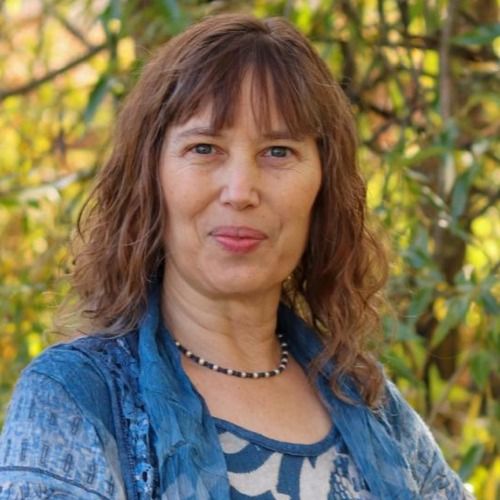
Sheldon Stovall is a faith based teacher, Sunday school leader, and author who creates devotional lesson books centered on spiritual growth and emotional healing. Rooted in his Christian faith, his work helps individuals and families apply biblical principles to real life challenges such as anxiety, grief, trauma, and identity. He is the creator of the Tikkun Code, a teaching framework based on ancient biblical study that guides people through restoration, renewal, and purpose. His devotional series includes Restored, Unbroken, Anchored in God, Kept by the Lord, and Once Lost Now Found. He is also the creator of the Feeling God’s Way Sunday school lesson book, designed to help students understand their emotions through a biblical lens while building a strong foundation in faith. His lessons are used for personal study and home-based education, offering practical tools for growth, healing, and a deeper relationship with God.
Bringing Education Home is an educational podcast brought to you by Kristina and Herb Heagh-Avritt.
If you enjoy the show, we'd love for you to leave a rating or review on your favorite podcast app!
Please let your friends know they can listen for free on Apple Podcasts, Spotify or their preferred podcast app or online at Bringing Education Home.
Sponsored by Vibrant Family Education - creating Happy, Healthy and Successful kids
Follow us on these socials:
Facebook Group - The Family Learning Circle
Facebook Business Page: Vibrant Family Education
Support Bringing Education Home
Copyright 2026 Kristina & Herb Heagh-Avritt
This podcast is hosted by Captivate, try it yourself for free.
Transcript
I now have the pleasure of introducing Sheldon Stovall.
Speaker A:Sheldon is a faith based teacher, Sunday school leader and author who creates devotional lesson books centered on spiritual growth and emotional healing.
Speaker A:Rooted in his Christian faith, his work helps individuals and families apply biblical principles to real life challenges such as anxiety, grief, trauma and identity.
Speaker A:He is the creator of the Tickin Code, a teaching framework based on ancient biblical study that guides people through restoration, renewal and purpose.
Speaker A:His devotional series includes Restored, Unbroken, Anchored in God, Kept by the Lord and Once Lost, Now Found.
Speaker A:He is the also.
Speaker A:He is also the creator of the Feeling God's Way Sunday school lesson book designed to help students understand their emotions through a biblical lens while building a strong foundation in faith.
Speaker A:His lessons are used for personal study and home based education, offering practical tools for growth, healing and a deeper relationship with God.
Speaker A:Welcome Sheldon.
Speaker A:It is a pleasure to have you here today.
Speaker A:Thank you so much for joining us.
Speaker B:And thank you for having me.
Speaker C:It is so awesome.
Speaker C:When we had our pre chat about the show, we were really strong in talking about what is it like to help our kids be emotionally balanced and help them understand some of the things that they need to, you know, practice before it gets to those points of crisis and things like that.
Speaker C:And so one of the things that we love to start with is why this passion, what was a pivot in either your life, your career?
Speaker C:That said, you know what, it's time to create this program and release it out and help families in a different way.
Speaker B:So I am a pk.
Speaker B:My dad is now a bishop.
Speaker B:So I grew up in the church from birth.
Speaker B:So my life has been being around many children.
Speaker B:I went through the entire series of Sunday school.
Speaker B:Not too many people could say that.
Speaker B:I went through pre K Sunday school all the way through 12th grade.
Speaker B:And my father did not let me out of Sunday school until I turned 18.
Speaker B:And I think I turned 18 on that Sunday and I didn't think I had to go.
Speaker B:He said, no, get up there, you got one more day.
Speaker B:So, so after that I became a Sunday school teacher and that's when I started realizing that a lot of the children, they lacked emotional intelligence.
Speaker B:There was a limit to their ability to talk about their feelings.
Speaker B:And so growing up with my father, we could not talk about our feelings, you know, that he was not that type of man.
Speaker B:He was from the south.
Speaker B:And so, you know, do what I say and that's it, no questions.
Speaker B:So I didn't even get a chance.
Speaker B:So as I raised my children, I taught them how to talk about their feelings.
Speaker B:And I didn't know that this was not something new universally done.
Speaker B:I did not know that everyone did not talk to teach their children to talk about how they feel.
Speaker B:So my daughter's now, she just graduated actually a couple weeks ago.
Speaker B:She now has her PHPSYD in psychology.
Speaker B:So she's now Dr. Chanel Stovall, which I'm very proud.
Speaker B:My son is also doing well and I'm not taking all the credit, but the credit of course goes to God.
Speaker B:And so I've been, I was asked this question a few weeks ago.
Speaker B:I've been writing Sunday school lessons for our church organization about 10 years.
Speaker B:So I just started connecting mental health and faith recently and God just I'm no longer with the affiliation, my dad's affiliation.
Speaker B:So I'm kind of out of my own.
Speaker B:And this is something that I got to put in my heart to start doing is teaching children emotional language.
Speaker B:Now that's on the pastor side.
Speaker B:As a counselor, I counsel children starting at age 8 and they go all the way up to 18.
Speaker B:Of course I have older clients as well, but just with the young people, same thing.
Speaker B:I've noticed that there's a lack in the ability to explain their emotions.
Speaker B:And I believe that this, it's a language that we don't teach our children, that we need to teach them is to talk about their feelings.
Speaker B:So this is where this came from.
Speaker B:Many children, they struggle with fear, anxiety, anger, sadness, loneliness, self worth.
Speaker B:But they cannot put this in words right?
Speaker B:And so sometimes that leads to other things are unfortunate.
Speaker B:And with God's help, we can stop this pinnacle that we've reached in this, in our world where the highest killer of our kids is suicide.
Speaker B:That is the highest number of childhood deaths under 18.
Speaker B:So we're losing our children.
Speaker B:The enemy is taking them out before they even get a chance.
Speaker B:And we often say it's not going to happen to me until it's too late.
Speaker B:And it does happen.
Speaker B:And just real quick, I just, I think the last time I talked to you guys, God had told me to start doing a live.
Speaker B:So I started my life and it's I do mental health Mondays, I do transformation Tuesdays and I do transformation Thursday Thursdays.
Speaker B:So this Tuesday past Tuesday I was talking about teen suicide and talking about triggers and science.
Speaker B:And I said that they're taking the children out as young as 8 years old.
Speaker B:And, and the very town that I live in, we lost a young man, eight years old.
Speaker B:They took a school trip and he drowned.
Speaker B:And I had mentioned to the parents, like start Bringing God, your children to church just because you don't want to go, just because you may not have time, you got to get.
Speaker B:They need to have their own relationship with Christ.
Speaker B:So it's very important.
Speaker B:And when I stressed that, I started getting a whole bunch of emails.
Speaker B:How did you know and how would you even have figured that out?
Speaker B:And I said, it's not that God is just speaking out.
Speaker B:These, our children need a chance.
Speaker B:They need a chance to make it and if we do not open up that door for them, that we're going to lose them.
Speaker C:Thank you.
Speaker B:Yeah.
Speaker C:And that's right.
Speaker C:There is just a big enough message for this episode.
Speaker C:But we want to make sure that our parents have some strategies.
Speaker C:Right.
Speaker C:So what does it mean to teach emotional, you know, emotional well being.
Speaker C:How do we teach them either the vocabulary or the way to explain it?
Speaker C:Give our parents a few tips so that they can maybe start this process.
Speaker A:Yeah, maybe give the parents a few tips on how to start understanding their own.
Speaker A:You know, I'm 56 years old and recently there's been a couple of times where I've got into AI and it's told me a couple of things about myself that have kind of thrown me off balance.
Speaker A:And I went and did some research and, and it's like, okay, I understand why I'm off balance and why this hurts me so much.
Speaker A:And so lately I've been trying to even describe the word anxiety and fear and I don't have the vocabulary for what that means to me because for most of the time fear is, that's when you get an adrenaline rush and it's like I almost died.
Speaker A:So to me that's what I thought fear was.
Speaker A:But fear can be a much more deeply ingrained, insidious thing that's controlling your life that you don't even necessarily understand or have the words for.
Speaker A:So again, how do we help us out?
Speaker A:I'm 56 years old.
Speaker A:How I obviously didn't talk to my kids about this.
Speaker A:So how are my kids and my kids kids supposed to get this information?
Speaker B:Yes.
Speaker B:So great question and thank you for asking me that.
Speaker B:But I'm prepared to that so many children, as I said, they struggle with fear, anxiety, sadness, anger, as we know, like the young ones, even when they're babies, they're ah, right.
Speaker B:But they don't know what they're feeling, they're just reacting.
Speaker B:And so we see it through their behavior.
Speaker B:So parents and educators often feel unprepared to address emotional issues like you said, from a faith based perspective.
Speaker B:So When I.
Speaker B:When the way that God showed me is, yes, you sit in church every Sunday and you hear about physical healings.
Speaker B:You feel.
Speaker B:You hear about the lame walking, right?
Speaker B:The blind being able to see.
Speaker B:Jesus spit down and that in the butt, put it on his face.
Speaker B:Oh, my God, I can see, right?
Speaker B:So you hear all these things, but you never really hear it.
Speaker B:Taught about God delivering someone from fear or emotional struggles and things like that.
Speaker B:And so as a counselor, when I began reading the Word of God.
Speaker B:As a counselor, right, because sometimes we don't use the gifts that God gives us accordingly, especially the faith.
Speaker B:And so I started looking and I started seeing where God does deal with the mental health.
Speaker B:So if you don't have the education, and I'm not putting any preacher down, but if you do not have the education in this field, you cannot really see it.
Speaker B:And so for me, personally, when I was going through a deep, terrible depression, I lost my brother.
Speaker B:A year ago.
Speaker B:He was found dead.
Speaker B:It tore me down to nothing.
Speaker B:And I couldn't eat, I couldn't sleep.
Speaker B:I didn't wash. My poor wife, if she's listening, she's gonna be embarrassed.
Speaker B:I couldn't even get up and take a shower.
Speaker B:My wife had to wipe me down.
Speaker B:Some days I wouldn't get out the bed, and only thing I could do was turn over and pick up the Bible and try to find some encouragement.
Speaker B:And people say, oh, God, you're a counselor.
Speaker B:You could have went to another counselor.
Speaker B:No, you can't.
Speaker B:Because these symptoms, we diagnose these symptoms, but sometimes we're embarrassed.
Speaker B:I was embarrassed.
Speaker B:And also as a pastor, I couldn't call my colleagues, hey, come over here and pray for me.
Speaker B:What's the matter?
Speaker B:Okay.
Speaker B:God can take you through it.
Speaker B:If you have not experienced loss, like to that degree that I did, you would know.
Speaker B:I mean, we have, you know, you have children.
Speaker B:Stair steps.
Speaker B:I'm the third in line.
Speaker B:I, you know, I came in the world.
Speaker B:My brother was standing right there.
Speaker B:We slept in the same room, you know, everything.
Speaker B:I would.
Speaker B:My parents took us together, you know, sit in the store together, set the park together.
Speaker B:We played games together with school together.
Speaker B:My brother, I was like his right arm.
Speaker B:So, you know, that even to this, you know, as old as I got, I still call him every day, all the time.
Speaker B:So for me to lose him, it just took a lot out of me.
Speaker B:And so when God began to start delivering me, I started reading the Book of Kings, and I started noticing that Elijah was going through depression and he was facing fear like you explained after the miracle where he dipped down, you know, he was able to get the, the, the altar lit by fire and God lifted up.
Speaker B:You heard that story in Kings, right?
Speaker B:After that, the king, the queen wanted his head.
Speaker B:Okay.
Speaker B:So Elijah was ready to run 40 miles to get away from that queen.
Speaker B:Right.
Speaker B:But he was afraid.
Speaker B:He was sorely afraid.
Speaker B:Now come on, after all that, you're scared?
Speaker B:Yes.
Speaker B:So I started seeing it for what it was, that there was mental health challenges that prophets faced, that Jesus faced, that kings face.
Speaker B:And so when I started seeing that, my symptoms, my symptoms and started to be believed, I started wanting to eat again.
Speaker B:Like God started removing the symptoms slowly because I saw that he cared about my feelings.
Speaker B:And so how I got better was reading and creating my devotionals, which, which was that you mentioned.
Speaker B:And then of course, God did not forget about the children.
Speaker B:Right.
Speaker B:So the goal is to help children recognize emotions without being controlled by them.
Speaker B:So God created emotions and they need to understand that.
Speaker B:And scripture teaches us how to respond to them in healthy ways.
Speaker B:And so that's, that's how this all began.
Speaker C:That's awesome.
Speaker C:So if our families aren't faith based though, right.
Speaker C:And we still need to explain how their children can understand or talk about their own emotions, can you give the parents one or two ideas real quick about how to do that with them?
Speaker B:Yes.
Speaker B:So I happen to have my Sunday school books with me today.
Speaker B:So Faith and Feelings God's Way for Every Age is a six book series.
Speaker B:It's designed for students to, from kindergarten to high school.
Speaker B:So this series helps children and teens understand emotions to a biblical worldview.
Speaker B:Right.
Speaker B:So the themes or the topics are feeling upset, back talk.
Speaker B:Right.
Speaker B:So we have two chapters.
Speaker B:Talking back to page parents, talking back to teachers.
Speaker B:Anger.
Speaker B:We have anger part one and part two.
Speaker B:For the parent teacher version I have, I have a separate, I have the lessons in there, but I have information that can help you on triggers, things that trigger children for, for each situation, how you can start noticing different behaviors.
Speaker B:Right.
Speaker B:So I added that in.
Speaker B:I also added in like we'll give you an example of fear.
Speaker B:Right.
Speaker B:So for the K through 4, which was very difficult for me to work on, had to bring my mind all the way down to how can I process fear with a four year old.
Speaker B:Right.
Speaker B:So I'm just going to go over what I said.
Speaker B:We have a memory verse.
Speaker B:When I'm afraid, I put my trust in you.
Speaker B:Right.
Speaker B:So children, they're like sponges.
Speaker B:You know that as a teacher, when you teach them things, they'll start to understand.
Speaker B:Then we have discussion points.
Speaker B:Everyone feels afraid.
Speaker B:Sometimes dark rooms, sometimes large noises.
Speaker B:So you want to give examples and then you want to ask each student to relate.
Speaker B:Right?
Speaker B:So this is the time you're taking what makes you afraid, Right.
Speaker B:And as a teacher, you know, sometimes you gotta be patient because again, they don't have the words to put it in right away.
Speaker B:But if you give them.
Speaker B:Exactly.
Speaker B:But if you give them some examples, some story ideas and, and then more importantly, if you start telling them, right, with anger, God gets angry.
Speaker B:God gets angry, right?
Speaker B:So they're like, what do you mean?
Speaker B:Yes, but his behavior is different.
Speaker B:And then you teach them about how to behave.
Speaker B:So what we have in here that I, that I blessed everybody with was different exercises that I even use in my practice, but they're God related.
Speaker B:So.
Speaker B:So that when they do get angry, we have the God Breathe exercise for The K through 4, I think that's for the 5th through 8th.
Speaker B:For the K through 4, when they get angry, we have to pause and sit down.
Speaker B:If you're angry, stomp your feet.
Speaker B:But if you want to behave yourself or you want to be peaceful, you sit down and fold your hands.
Speaker B:Right?
Speaker B:So you're teaching them young how to behave when you start dealing with emotions.
Speaker B:And a lot of times parents do not do that because we're working, we're in church, we're running around so we really don't have time to teach the children things, how to negotiate their feelings.
Speaker B:And so of course they're going to react, they're going to behave as such.
Speaker B:So I have stories about loneliness, I have examples, very easy examples, stories about loneliness disciples being lonely, different people.
Speaker B:I have stories about sadness.
Speaker B:And most importantly, I put a testimony in at the end of every chapter because Bible says we overcome by our testimony.
Speaker B:And sometimes when they hear a story about another person who was lonely or who was sad, it kind of encourages them.
Speaker B:And I'm not sure about the churches out where you are, but we don't have testimony service out here anymore.
Speaker B:So you never hear about people overcoming what they're going through.
Speaker B:So what I want to do, this is not new because this is all ancient scripture.
Speaker B:But what I want to do, what I've done for everyone is I put it in these book series and I made it very user friendly for parents to be able to sit down and start spending time with your kids.
Speaker B:Stop putting it on to teachers, stop putting it on the church.
Speaker B:It's your job to start working with your kids.
Speaker C:Yeah, and I love that because you also gave them the tools, so they can't say, I don't know how.
Speaker C:It's like, yes, you can and you should.
Speaker C:And we love when parents are interacting with their kids at least, at least once or twice a week and in a deeper conversation, not just a way.
Speaker A:More than that, way more than that is highly recommended.
Speaker A:You know, one of the reasons we highly encourage parents to take their home, their kids out of school and homeschool them is it gives them an extra 17,000 hours with their children over the school years.
Speaker A:And it's like so many people say that their children are their most important priority, but then they don't give them the emotional, they don't do the reading.
Speaker A:They, the most important part of a child's education, their most, their biggest success indicator is the involvement of their parents in a healthy way, encouraging them in their education.
Speaker A:So, and so all of this, like, leads back to, and again telling them who they are and who they are as a child of God and bringing back in.
Speaker A:You talk about the breath, the breathing when they're calm.
Speaker A:We brought that classroom and you bringing back the, just the, the peopleness to it, and then you bring back the Godness to it.
Speaker A:I mean, it's incredible what really is out there if you know what to look for.
Speaker B:That's right.
Speaker B:And the importance of emotional intelligence.
Speaker B:Homeschooling.
Speaker B:Homeschooling allows parents, as you know, to address both academic and emotional development.
Speaker B:All right, so you are, you are now in control of teaching them the right language.
Speaker B:Right.
Speaker B:Because as a teacher, you know, and I don't know everything about being a teacher, but I know that feelings aren't addressed.
Speaker B:But feelings are not taught.
Speaker B:It's not, it's not taught how to deal with feelings in school.
Speaker B:That's not part of the curriculum.
Speaker B:Right.
Speaker B:So emotional health directly impacts learning.
Speaker B:Right.
Speaker B:So you're going to give them an opportunity to talk about what they feel, Relationships.
Speaker B:Right.
Speaker B:So it's going to come up how they're feeling.
Speaker B:Maybe the homeschooling after a certain age might start feeling uncomfortable.
Speaker B:Maybe they feel like they want to be around other people.
Speaker B:Especially if your parents are too busy, take them out on the weekends, which is what you want to do.
Speaker B:Get them outside the house, you know, get them social, somehow get part of some kind of functioning so you can feel still a part of being children.
Speaker B:Right.
Speaker B:So that gives them the language and also spiritual growth.
Speaker B:See, for some reason we're forgetting about our children.
Speaker B:And you know, my, my parent, my mother was Adventist, so she scared me half to Death.
Speaker B:When she preached, she talked about the Rapture and Jesus coming and going, you know, and I, I was guy was sitting there thinking like, wow, you know, and.
Speaker B:But you know what?
Speaker B:It made me who I am.
Speaker B:But you know what?
Speaker B:I did get myself in under and save, sanctified, filled with the Holy Spirit.
Speaker B:I got myself to where I knew that I felt good, that I was connected with the Lord.
Speaker B:Right.
Speaker B:So I start, I got, I received the Holy Spirit when I was 12 years old.
Speaker B:I got baptized.
Speaker B:You know, I wasn't playing.
Speaker B:I was scared like my mother scared me.
Speaker B:Right.
Speaker B:There's no fear anymore.
Speaker B:And the thing is that that's not going to help you during this time.
Speaker B:And I'm just going to bring it up because I've been talking about it.
Speaker B:You're hearing about UAPs, you're hearing about UFOs.
Speaker B:We are hearing about whatever's supposed to appear.
Speaker B:Right.
Speaker B:From our government.
Speaker B:Right, right.
Speaker B:So I'm scrolling on Tick Tock.
Speaker B:I see it, I know these young people see it.
Speaker B:Right.
Speaker B:It's not even being addressed.
Speaker B:But that is going to invoke fear.
Speaker B:Right.
Speaker B:And it's going to shake the very core of the church.
Speaker B:It really is.
Speaker B:Because whatever does appear or whatever they show, it's going to kind of go against what we don't see, which is God.
Speaker B:And you're going to see something that could look like a God.
Speaker B:Right.
Speaker B:So it's going to sway them.
Speaker B:Right.
Speaker B:So we get, we have to get our children prepared.
Speaker B:Young children learn best when they feel safe, understood and supported.
Speaker B:Okay.
Speaker B:And parents can, can use everyday situations, opportunities for emotional and spiritual teaching.
Speaker C:Please do.
Speaker C:Yes.
Speaker C:And that's one of the reasons why even, you know, all through my teaching career and everything is like, if you can't do anything with your child around, homework or anything else, at least read to them at night and discuss the story.
Speaker C:How was the characters in that story feeling?
Speaker C:How did they handle the situation?
Speaker C:How did they, you know, come out better on the other side of the story?
Speaker C:Right?
Speaker C:What did, what encouraged you in that story?
Speaker C:Those kinds of questions and discussions are exactly the kind that you have with your curriculum and your book around the Bible stories.
Speaker C:You can do that with any story.
Speaker C:But don't forget that, yeah, God needs to be in there because you need to give your child a chance to build that relationship.
Speaker A:Yeah, they, you know, they're, they're only conspiracy theories until they're proven to be true.
Speaker A:And there's so many of them that are proving to be true right now.
Speaker A:They, you know, people would Be ridiculed and teased for some of the things that they said that they thought and guilty.
Speaker B:Yeah.
Speaker A:Now it's like, it's like, yeah, you know, we told you this years ago.
Speaker A:You know, it's kind of funny the same thing with like, with like hippies and hippie food and, and taking care of yourself and breathing and being part of the planet.
Speaker A:It's like, well, wow.
Speaker A:It's like they had parts of that very, very.
Speaker A:Right.
Speaker A:So some of that wisdom is now finally settling back in and God certainly very much needs to be a part of it, especially right now, because even like right now, when the, when the, the Elijah burned the ones in the wood and the ones that were soaked with oil, the priests of BAAL couldn't get lit.
Speaker A:Like, you can see the parallels to what's happening in our world right now.
Speaker A:And so it's like, get your kids, get them where?
Speaker A:Get them good.
Speaker A:Whether you fully believe it or not, go start investigating, start getting real about that.
Speaker A:I'm searching, not going to lie, looking hard.
Speaker A:Have some friends that I talk with about it quite often and he says that my struggles are such a real search that he's inspired by me to go even deeper in what he's.
Speaker A:He does.
Speaker A:So iron sharpens iron.
Speaker A:So important for kids to, to start getting the foundation, start getting the understanding.
Speaker A:The original purpose for public education and the reason the, the first people started to allow public schools was it's like if their kids are going to read, the first thing they need to be able to do is read the Bible.
Speaker A:So public education was started around reading the Bible.
Speaker B:And, and I love what you're saying.
Speaker B:And again, I, you know, every people have different foundations when it comes to Christianity, but we are, our ultimate goal is to receive Jesus in our life, be saved and meet, meet God when he comes back for us.
Speaker B:Right.
Speaker B:Ultimately, right.
Speaker B:Or if you pass away that you're connected to the right source, you're going upward, not down.
Speaker B:Right?
Speaker B:But the word of God says that both great and small will be judged.
Speaker B:And it's not to make people afraid, but it's, you know, this, you the same thing that you want while you're serving God, right?
Speaker B:What made you come to Christ?
Speaker B:Do you think your children need to come to Christ as well?
Speaker B:And so a lot of times parents forget that because again, we're so busy.
Speaker B:But the truth is, you, this charity starts at home.
Speaker B:This has to be at home.
Speaker B:Right?
Speaker B:People have to really understand.
Speaker B:I didn't know why I had to go to church every, like every Tuesday.
Speaker B:Thursday, Sunday.
Speaker B:I grew up in a church.
Speaker B:We were in church.
Speaker B: we didn't get out till about: Speaker B:Okay.
Speaker B:If we didn't get our, our homework done before church, we had to do it after church.
Speaker B:Okay.
Speaker B:I got straight A's.
Speaker B:I never, my father would tell you my kids never missed, they never stayed back and they got good grades.
Speaker B:Right.
Speaker B:My father put his time in, but he knew that, okay.
Speaker B:Once, that now that I know my children are good, we went with him.
Speaker B:Right.
Speaker B:Nobody stayed home.
Speaker B:You sick?
Speaker B:Okay, well, here, drink some of this oil and, and go sit in the back seat laid out.
Speaker B:Okay.
Speaker B:But you know, I thank God for him today.
Speaker B:My dad lives right down the street from me.
Speaker B:Right away, I love him so much, but I thank God for him because all of my brothers are saved.
Speaker B:I have another brother as a pastor.
Speaker B:All my, my family still alive, still healthy.
Speaker B:You know, those of us who accept the Lord in our life, very successful, very successful people.
Speaker B:I have a very successful family.
Speaker B:And this is all because my parents took the time to instill Christ in us.
Speaker B:Right.
Speaker B:We get so busy.
Speaker B:And I love what you said about homeschooling.
Speaker B:We let, we leave it to the teachers to do it.
Speaker B:We leave the Sunday school teachers to teach our children.
Speaker B:Right.
Speaker C:Don't believe that myth.
Speaker B:That's right.
Speaker B:And I wanted to mention you said something what makes this series very different.
Speaker B:It's age appropriate lessons like.
Speaker B:Yeah, you're saying for kindergarten to high school.
Speaker B:So bringing my right mind on to a five year old, it was not easy, but I have a whole bunch of niece and nephews, so I asked him a lot of questions.
Speaker B:We also give biblical advanced examples that show how God's people experience religion, emotions.
Speaker B:So this is something that even the parents will start being able to use is the word of God with your children.
Speaker B:Believe it or not, your children respect God.
Speaker B:They've never seen them, but they respect God.
Speaker B:When it's time to pray, they bow their heads and they close their eyes.
Speaker B:Right.
Speaker B:I give practical exercises for anger, for loneliness, for sadness.
Speaker B:And it's all designed to prompt discussion.
Speaker B:You want them to be able to say, I feel lonely.
Speaker C:Yes.
Speaker B:Right, right.
Speaker B:What happened?
Speaker B:What do you mean you feel lonely?
Speaker B:Yeah, well, no one talks to me in school.
Speaker B:Oh, okay.
Speaker B:Right.
Speaker B:So from a, from a counselor's standpoint.
Speaker B:Yeah.
Speaker B:That, that means, okay, kind of my antennas go up a little bit and no one's talking to school.
Speaker B:All right.
Speaker B:So then you want to talk to them and say, okay, what's going on?
Speaker B:Like, are you trying to make friends?
Speaker B:You know, you might even want to do some background work, you know, call a couple parents.
Speaker B:Hey, what are you guys kids doing?
Speaker B:Let's have a play date.
Speaker C:Y.
Speaker B:Right?
Speaker B:You want.
Speaker B:You want to have these.
Speaker B:These conversations?
Speaker B:Because what God showed me is by writing these Sunday school lessons and making them public, because they weren't public before, but making them public.
Speaker B:He said he's going to cut the suicide rate in half for the.
Speaker B:For the young people.
Speaker B:Right.
Speaker B:It's our job.
Speaker B:If we take the time to do what God has asked us to do for our children, we will have them alive.
Speaker B:And I hate saying this, but I have to.
Speaker B:I sit on both sides of this as a pastor, comforting families with their children no longer there.
Speaker B:I'm hearing what I should have did, you know, regrets, regrets, regrets.
Speaker B:As a counselor, I'm on the other side of it as well.
Speaker B:So I hear it, right.
Speaker B:It's never going to happen to you until it does.
Speaker C:Yeah.
Speaker B:And then what are you going to say?
Speaker B:I would have, should have.
Speaker B:Those are my cousins, by the way.
Speaker B:Cousin wouldn't cut a shoulder.
Speaker B:Those are my cousins.
Speaker B:Right.
Speaker B:I should have did this.
Speaker B:I would have did this.
Speaker B:Take the time now, right?
Speaker B:Have.
Speaker B:Have those conversations about difficult feelings.
Speaker B:Focus on both emotional growth and spiritual growth.
Speaker B:Don't just keep correcting them, but understand them that it's your children, right?
Speaker B:They're.
Speaker B:They're getting older.
Speaker B:They're starting drugs at 16.
Speaker B:People that are using drugs, they're dealing with anxiety, they're dealing with.
Speaker B:They're dealing with something undiagnosed.
Speaker B:But if you do not have the time, if you do not have a relationship, even with your own child, how are you supposed to even have.
Speaker B:I don't even understand how can you have relationship with God?
Speaker B:And I'm not saying everybody should.
Speaker B:I talk to my daughter every day, sometimes four and five hours.
Speaker B:My daughter's 28 years old, okay?
Speaker B:I established a relationship.
Speaker B:My daughter has a bad breakup.
Speaker B:She's on the phone crying with me.
Speaker B:She lives in New Jersey for, like, two hours.
Speaker B:And I'm like, so bad.
Speaker B:Because I want to go beat up the boyfriend.
Speaker A:Whatever.
Speaker C:Papa's gonna come take care of that.
Speaker B:But you know what?
Speaker B:She's comfortable enough to sit there and cry.
Speaker B:And we have that type of relationship where I can listen to her cry.
Speaker B:You.
Speaker B:You need to develop these relationships early so that when your child's behavior does change, if it does, because we're looking for God to change these behaviors early.
Speaker B:Right.
Speaker B:You're going to be able to Catch loneliness and isolation.
Speaker B:You're going to catch bullying and peer pressure.
Speaker B:You're going to catch family stress.
Speaker B:You're going to catch the things that are making them feel uncomfortable.
Speaker B:And it's through these lessons, it evokes conversation.
Speaker B:Now, when you finish this book with the kindergarten through fourth grade, you think you're all done.
Speaker B:No, do it again in another six months.
Speaker B:See what they let them tell you.
Speaker B:Dad, we already did that lesson.
Speaker B:You did your job.
Speaker C:Yeah.
Speaker C:And the beauty of that is that, you know, we're trying to get people out of the public school, but if you look at the public school system, you can see that the curriculum spirals, it comes back and touches on things over and over, maybe at the next layer.
Speaker C:At the next layer.
Speaker C:So it doesn't mean you can't reteach.
Speaker C:Just like when I'm teaching reading, right.
Speaker C:We read the same book at least three times and people like, oh, I'm so tired of reading this.
Speaker C:Ah, but guess what?
Speaker C:You caught something new on page six that you didn't catch the first time you read that.
Speaker A:And that's why you keep reading the.
Speaker C:Bible, keep reading it over and over.
Speaker A:That's why you keep reading the Bible.
Speaker A:Because depending on where you are, you are going to be reading, reading the Bible from a different lens in a different place.
Speaker A:And it's like, even now, it's like, I'll watch YouTube shorts and, and be amazed at some of the new information coming out of a book that's over 2,000 years old since the last edits.
Speaker A:5,000 Years.
Speaker A:5 To 8,000 years old.
Speaker A:If you go back to the start of it.
Speaker A:And, and still they're getting new information out of the relationships and about the brain.
Speaker A:Science is awakening the Bible in new and amazing ways as well.
Speaker C:One of the things that you were just talking about that I want to go back and touch on a little bit, is building those communication relationships and that listening relationship.
Speaker C:Can you either tell us something that you did with your children that helped that or something you counsel other parents to do to build that, especially if it isn't built and they're already like 10, 12, and it's a little bit harder to establish that.
Speaker C:What can parents do about that?
Speaker B:Yes.
Speaker B:So.
Speaker B:And right before I go on that question, I do have some benefits for parents, but that's what I always say.
Speaker B:If you cannot get your children to sit down and do one lesson a week, you've already lost it.
Speaker B:Right.
Speaker B:You're the parent, they're the child.
Speaker B:And lots of times it's almost like the role is reversed.
Speaker B:Then they're rolling them into our office to straighten them out.
Speaker B:Right.
Speaker B:So you want to start these Sunday school lessons early.
Speaker B:You want to catch them early while you can.
Speaker B:And like I told you, when I was in Sunday school, I was 18 years old.
Speaker B:I'm big.
Speaker B:Oh, big guy.
Speaker B:My father's a lot bigger.
Speaker B:And guess what?
Speaker B:My father said, get up there and stay in the Sunday school.
Speaker B:And I had to.
Speaker B:And we had to answer questions in front of the church.
Speaker B:And my father's 6 foot 3.
Speaker B:And I did what my father told me to do, but my father established that relationship with me early.
Speaker B:And so what we're doing is we're teaching parents to establish relationships not only with them, but with God early.
Speaker B:Respect and honoring.
Speaker B:Right.
Speaker B:So that's why I put that in the first volume is talking back to teachers, Talking back to parents.
Speaker B:Honoring your parents is the name of the lesson.
Speaker B:You want to teach that to them because they need to understand why it's important.
Speaker B:And with the.
Speaker B:And I give you backup scriptures for you to.
Speaker B:For them to understand it.
Speaker B:Right.
Speaker B:So we're trying to prevent the weirwoodness early.
Speaker B:But for the ones who are older, who may have to.
Speaker B:Parents might have to fight with a little bit.
Speaker B:It opens meaningful conversations with the children.
Speaker B:Right.
Speaker B:I do have the 9th through 12th grade.
Speaker B:I do have some churches.
Speaker B:The way I set it up, I put like little sticky notes and scriptures.
Speaker B:They.
Speaker B:For what I understand the participant level is 100.
Speaker B:Because it's something new, it's something kind of cool.
Speaker B:It's like innovative.
Speaker B:So it's not like the same, you know, what did Joseph say when he got thrown in the pit?
Speaker C:Right.
Speaker B:It's more about what do you feel?
Speaker B:Right.
Speaker B:So there's no wrong or right answer.
Speaker B:So you can say how you feel.
Speaker B:I don't know if you guys ever seen this.
Speaker B:The meme on Facebook is so funny.
Speaker B:There was Easter speeches and the kid had to come up and give his Easter speech.
Speaker B:And he said, I'm tired of this church and the whole church, like, scream, right?
Speaker B:You're giving them a chance to say how you feel.
Speaker B:Also, this provides a biblical framework for discussing mental and emotional health.
Speaker B:So going back to myself as a parent, I, you know, I don't believe in hitting children.
Speaker B:I've never spanked my children.
Speaker B:But I will talk you to death.
Speaker B:Like, you're gonna get a three hour speech from me about your behavior.
Speaker B:And I take things away.
Speaker B:Like it's important things away, like toothbrushes, new.
Speaker B:New shoes, new clothes sometimes.
Speaker B:And Take shoes that make a mismatch on purpose.
Speaker B:And so guess what?
Speaker B:You go into school because that's the only shoes you see in your closet.
Speaker B:And well, how am I gonna wear a mismatch shoes?
Speaker B:Oh, I don't know.
Speaker B:What does your behavior tell you to do?
Speaker B:And my children apologize.
Speaker B:And by the time they leave, they get that other shoe back because they learned, right?
Speaker B:So they learned.
Speaker B:My.
Speaker B:Their father.
Speaker B:I'm not going to hit you, but you will be missing some shoes.
Speaker B:Like you won't have a toothbrush.
Speaker B:How am I going to brush my teeth?
Speaker B:I don't know, but my breast is going to sink.
Speaker B:Well, did you think about that when you acted the way you did?
Speaker B:My brothers say it's cruel, but that's just my way.
Speaker B:And my children knew me.
Speaker B:So you know, when you had to act up, when you want to do what you want to do.
Speaker B:Now you're going to have to sit down with me and get your toothpaste fresh back.
Speaker B:And they do.
Speaker B:Yeah.
Speaker B:So that's how I discipline my children.
Speaker B:I took away things that were very important to them.
Speaker B:Shampoo.
Speaker B:So I mean, clothes.
Speaker B:They wake up with one T shirt and one mismatched dress and some.
Speaker B:My daughter had one.
Speaker B:She had a rainbow stockings, a pink dress, and like a, like a blue shirt or something with stars on it.
Speaker B:And she said, I can't go to school like this.
Speaker B:I said, well, what are you gonna do, you know?
Speaker B:What do you mean what I'm gonna do?
Speaker B:Where's my clothes?
Speaker B:I don't know.
Speaker B:Where's my good daughter?
Speaker B:And we sat a car, had a conversation.
Speaker B:She knew something was gonna be gone.
Speaker B:But they see, they go to sleep.
Speaker B:I don't go to sleep until I get you.
Speaker A:All right.
Speaker B:So she knew it.
Speaker B:So she woke up.
Speaker B:I think she woke me up like five o' clock in the morning.
Speaker B:She's like, dad, I don't have the clothes, I gotta go to school.
Speaker B:I said, oh, you don't?
Speaker B:What happened?
Speaker B:So guess what?
Speaker B:She came in my room, had a long conversation.
Speaker B:I said, well, what did you do wrong?
Speaker B:You lose your stuff?
Speaker B:So we had a conversation.
Speaker B:Right.
Speaker B:So you want to open up meaningful conversation.
Speaker B:Yes.
Speaker B:When it.
Speaker B:Because when it's important to them, they're going to talk.
Speaker B:Yeah.
Speaker B:So that's how I, you know, by the time we done, we hugged, you know what I'm saying?
Speaker B:All of a sudden I said, well, I think you toothbrushes over there.
Speaker B:Oh, you know what?
Speaker B:I think you got some clothes in my closet.
Speaker B:Oh, okay.
Speaker B:So as we're Talking, you start getting better.
Speaker B:So as a father, I did that.
Speaker B:As a counselor, I try to strengthen family relationships.
Speaker B:Right.
Speaker B:So you want to sit down with your kids and talk.
Speaker B:So when I'm, when I'm counseling children, you think that there's no.
Speaker B:I sit there with them about 30 minutes and then I pick up the phone and I call mom and I say, okay, what's going on?
Speaker B:Right.
Speaker B:Because I don't usually allow them in the office with the children.
Speaker B:But then I call mom in, say, okay, so what's going on?
Speaker B:And say, how can we resolve that?
Speaker B:Right.
Speaker B:So I'm teaching them to strengthen and then discipline.
Speaker B:Right.
Speaker B:Everybody has their own understanding about discipline.
Speaker B:But, okay, if you don't listen to your parent, what, what, what is the consequence?
Speaker B:If you don't have a consequence for your behavior, then they're gonna, not only are they going to be wayward, they're going to be in jail.
Speaker B:Right.
Speaker B:We did, we're this huge case with Carmelo Anthony, the kid that stabbed another kid.
Speaker B:Right.
Speaker B:I, I mean, he's in jail, like for either self defense.
Speaker B:I'm not sure about the whole story because I just heard about it.
Speaker C:Right.
Speaker B:But you know, you don't want it to get to that point.
Speaker B:Right.
Speaker C:Talk about them when they're little mistakes that you can recorrect so that we don't have to deal with the big stuff later.
Speaker C:Yeah, absolutely.
Speaker B:That's right.
Speaker C:Yeah.
Speaker B:Right.
Speaker C:Sheldon, this has been amazing.
Speaker C:Thank you so much for the conversation and the insights, and I'm, I'm loving what we're hearing.
Speaker C:We could probably keep going, but we probably ought to wrap it up.
Speaker C:Is there anything that we haven't talked about today that you really wanted to say?
Speaker C:I think you've got it, but maybe not two things.
Speaker B:I talk a lot.
Speaker B:All right, so the message to home families I want to mention is education is about more than academics.
Speaker B:Children need tools to navigate their emotions and challenges.
Speaker B:Faith should be integrated into everyday life, including emotional, well, children.
Speaker B:And when children learn to bring their feelings to God, they develop resilience, wisdom, and a lasting relationship not only with you, but with God.
Speaker B:We are, we need to integrate God into our children's life.
Speaker B:They will benefit from it.
Speaker B:There's nothing wrong with putting God, especially if you are a Christian family.
Speaker B:And what I'm doing with these faith and feeling lesson books, I'm bringing them to the world and they've been working for me for a while for my church organization is we're adding in mental health and I have located other people that have dealt with things like anxiety, depression.
Speaker B:Right.
Speaker B:Your children receive diagnosis.
Speaker B:I have diagnosed children with generalized anxiety adjustments disorder.
Speaker B:Diagnoses are real, right.
Speaker B:Some you cannot diagnose children with schizophrenia.
Speaker B:But you can see some of the the affects coming out.
Speaker B:And these children, social anxiety is huge when they are afraid to even socialize these things if they don't know that Matthew, Mark, Luke or John or Peter, James and and Bartholomew ever dealt with something like that.
Speaker B:Like they're not going to be able to connect it.
Speaker B:Our children are smart.
Speaker B:Yeah.
Speaker B:They're on iPads that like they're toggling.
Speaker B:They can help me build a website.
Speaker B:They're smart society, they're moving fast.
Speaker B:And so faith and feelings God way for every age of mine's family that emotions are not weaknesses to hide but opportunities to grow closer to God.
Speaker B:And by teaching their children to understand their feelings through scripture, we prepare them not only for academic success but for a lifetime of faith, resilience and purpose.
Speaker C:Beautiful.
Speaker C:Thank you so very, very much.
Speaker C:Tell us out loud the best way for our families to get a hold of you in case they have more questions or they want to connect some more.
Speaker C:Of course everything is down in the show notes, but we just also like to say it out loud.
Speaker B:Yes.
Speaker B:So I am on Facebook, Sheldon Stoball.
Speaker B:You can just type my name in.
Speaker B:I'm on every social media channel, YouTube, tick tock.
Speaker B:So a lot of young people talk to me on Tick tock.
Speaker B:Also in the actual Sunday school lesson books they can.
Speaker B:My email address is there.
Speaker B: Pastor stovall: Speaker B:So I go through them at my convenience.
Speaker B:But I will get to you if you have a question.
Speaker C:Thank you so much and I would.
Speaker A:Like to thank you for being here today.
Speaker A:Again, we had a conversation before the recording didn't come out quite so well.
Speaker A:So we're doing this a second time and thank you for coming back.
Speaker A:It was such a great conversation.
Speaker A:Again and again what you do is you put yourself out there, you put yourself out again on a sensitive subject.
Speaker A:For some reason when we start talking about God, a lot of people kind of groan.
Speaker A:Hopefully that's not a big problem in our community.
Speaker A:But again you went out and you get the gold, you and you bring it back and you share it with the community.
Speaker A:And that's what you do.
Speaker A:That's what pastors do.
Speaker A:That's also what heroes do.
Speaker A:And so you are also a hero.
Speaker A:So thank you for what you do.
Speaker A:Thank you for being here today and thank you for sharing with us.
Speaker B:Thank you for having me.
Speaker C:Excellent.
Speaker C:All right, audience, you know what time it is.
Speaker C:Share like and review.
Speaker C:Share this with everybody.
Speaker C: ,: Speaker C:Your support.
Speaker C:These wonderful, inspiring messages has taken us to a new level and we are so appreciative of all of you listening and sharing our inspirational messages with everybody.
Speaker C:So thank you for that and please keep doing it.
Speaker C:All right, that is it for today.
Speaker C:We will talk to you next time.
Speaker C:Bye for now.
Speaker A:Bye for now.