Episode 5
S3EP5-Emily Roper-Raising Happy Humans: The Power of Early Development
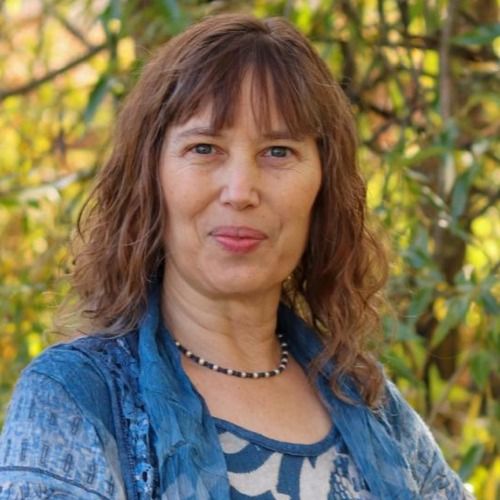
Emily Roper joins us for a delightful chat about the magical world of early childhood development! With her extensive background in neurodevelopmental therapy and midwifery, Emily brings a refreshing perspective on how the early years of a child's life, starting from pregnancy, can shape their future. We dive deep into the nuances of developmental delays, ADHD, autism, and how these challenges can be approached holistically. Emily shares her own journey, revealing how she was inspired by a cousin with developmental delays, leading her to pursue a career dedicated to helping children thrive. She emphasizes the importance of understanding the critical stages of early development and how parents can support their children by fostering a nurturing environment. Plus, we sprinkle in some humor and light-hearted anecdotes that make the complex topic of child development feel accessible and engaging. It's a must-listen for parents looking to empower their children and navigate the delightful chaos of parenting!
A gift from our guest: Please visit Emily's website: https://www.earlyrootstherapy.com to book a free phone consultation.
Emily Roper is a Neuro-Developmental Delay Therapist, certified Midwife’s Assistant, and the founder of Early Roots, a therapy practice focused on childhood development and supporting children with developmental delays. With backgrounds in psychology, midwifery, and neurodevelopment, she has spent over a decade supporting children with ADHD, autism, anxiety, dyslexia, sensory challenges, and other developmental difficulties. Emily has also attended more than 600 births and is passionate about helping families and professionals understand how pregnancy, birth, postpartum, and early infancy shape long-term brain, nervous system, and emotional development.
Bringing Education Home is an educational podcast brought to you by Kristina and Herb Heagh-Avritt.
If you enjoy the show, we'd love for you to leave a rating or review on your favorite podcast app!
Please let your friends know they can listen for free on Apple Podcasts, Spotify or their preferred podcast app or online at Bringing Education Home.
Sponsored by Vibrant Family Education - creating Happy, Healthy and Successful kids
Follow us on these socials:
Facebook Group - The Family Learning Circle
Facebook Business Page: Vibrant Family Education
Support Bringing Education Home
Copyright 2026 Kristina & Herb Heagh-Avritt
This podcast is hosted by Captivate, try it yourself for free.
Transcript
I now have the pleasure of introducing Emily Roper.
Emily is a neurodevelopment delay therapist, certified midwives assistant, a therapy practice focused on childhood development and supporting children with developmental delays.
With backgrounds in psychology, midwifery and neurodevelopment, she has spent over a decade supporting children with adhd, autism, anxiety, dyslexia, sensory challenges, and other developmental difficulties.
Emily has also attended more than 600 births and is passionate about helping families and professionals understand how pregnancy, birth, postpartum and early infancy shape long term brain, nervous system and emotional development. Welcome, Emily. It is a pleasure to have you here today. Thank you so much for joining us.
Emily Roper:Thanks for having me. I'm so excited.
Kristina:I was so glad whenever we made connections because lots of times we talk about the older kids, right, the, the school age, all the way up to the high school and college and things like that. It's like, you know what, we need to dive deeper into that younger age, that beginning development again.
So that was one of the reasons, like, yeah, Emily is a perfect fit for the show. So why the passion? Why that early age, those early stages all the way into pregnancy? Why is that a passion? What, what p it in your life is like?
I need to know more about this and I need to share it. Yeah.
Emily Roper:Well, it started when I was a young teenager. I had a cousin who had a lot of different developmental delays.
He had multiple different diagnoses, went to all sorts of therapies, was on lots of medications. I mean, his mom took him down all the, like, traditional route, the whole alternative route.
She really tried everything and she finally found a therapist that did neurodevelopmental delay therapy. And he started really getting help and improving.
And I got to witness that he went from really, like, struggling to interact in public, really behind in school, a lot of major emotions, major meltdowns, to all of a sudden he was just like a happy, functional kid. So I got to see that as a teenager. And then, so that's how I got into the therapy side of things.
And then when I was in college, I went and interned with his therapist for a summer. And while I was there, her daughter was pregnant and she was using midwives during her, like, for all her prenatal care and her birth care.
And they were telling me a lot about how much pregnancy and birth impact brain development later on and how using midwifery care and getting, like, a lot of good prenatal care can really help to. To prevent a lot of the problems that they were seeing in the older kids that they were working with the practice.
So I left that internship just excited to learn more and got my doula certification and then joined, like went to school for midwifery. And I've just been doing both ever since. And I like both a lot. So I don't want to be bored. I enjoy too many things.
Kristina:Does not sound like you're going to be bored at all. And it sounds like you are a wealth of information. I mean, just thinking, 600 births alone, right? You've probably seen like almost everything.
Herb:And I, I gotta say that the, the ability to like pinpoint those specific times in your life, it's like, ooh, right here and right here. It's like these are just like, that was an obvious choice. Like so many people don't get those or miss those opportunities.
So I would just like to congratulate you for, for recognizing that and jumping on your opportunities and moving in that direction. Because it obviously is worth it.
Emily Roper:Yes. I love it.
Kristina:I want to get a little bit of vocabulary out of the way just in case we have audience who aren't quite sure what we're talking about. So two words popped up. Doula was one, and the other one is your neurodevelopment learning.
Let's talk about what those are and give some framework around those as we talk so people understand those vocabulary a little bit more.
Emily Roper:Yeah, so a doula is just somebody who provides labor support. It's really non medical. So it was kind of the stepping stone that I used to get into midwifery school. So I don't do doula work anymore.
I just work as a midwives assistant. So but it was, it was kind of my stepping stone.
And then neurodevelopmental delay is probably not something anybody has heard about because it's just very uncommon in the US I'm only one of a handful of people here, unfortunately. But basically it just, it's a, like a specialty where I look at early development.
So I look at brain and body development that's happening prenatally and during the first year after birth.
So things like our stress response, things like early reflexes, visual development, balance and coordination, kind of all of these early development pieces that should be in place before babies turn about one. And they really provide the foundation on which the rest of the brain is built. So I'm looking at all of the early pieces of development.
And then when I work with kids, I work with older kids that are more in the school age range, but I'm looking at all of these early pieces to see did these develop properly do they have some weaknesses? Are they struggling? And then, you know, we work on those early areas if they are.
Herb:So. So here comes an out of the box distraction question.
So as someone who I hurt my head, got a lot into brain science to figure stuff out, learn, got, got really into it, learned a whole lot of really interesting stuff and children. And personality is a controversial subject. Now you are at the birth now, do children come into the world with a personality?
And I know it's not developed, but as someone who's been there for 600 of them, do you have 600 of the same little thing popping out of a person, or are there 600 little absolute individuals who already have their own path set out for them?
Emily Roper:There's certainly a lot of variation between babies. They are not one in the same.
It's hard to call it personality at that early stage because personality usually involves so many more, like advanced cognitive skills. But babies certainly have different temperaments. Some are more sensitive, some are more fussy, some are more calm and patient.
So you definitely can see variations in little babies from the moment they come out, probably, I'm sure even before.
Herb:One of my favorite disciplines would be the mbti, the Meyer Briggs Type Index. And it's based on temperaments, which is one of the things that you were talking. So it's like the internal that the introverted, extroverted or the.
Or how they sense. And so.
And then later Meyer Briggs came on and put on the attitudes because, you know, so again, but so that to me, it's like children come in kind of already who they are. How much does what we do influence that development? Exactly what you were talking about.
Now, how do we encourage them to be them without putting a lot of stress trying to make them little me, mini me, because it's like everybody thinks I want my kid to be just like me. And then that puts a different stress on the kid trying to make them like them.
Emily Roper:Yeah, I mean, parents, I think anybody who's a parent realizes that you can want whatever you want for your kid, but they come out whoever they are. Often it's not what we would expect or choose, but that's just a part of raising little humans. So.
But a lot of what we experience, you know, prenatally and during our early years, shape who we are as people in a lot of ways.
And so there's a lot of positive things that you can do to help support your kids and shape them in positive ways without changing who they are as people. But the brains and the bodies are very adaptive.
So our Brains are really designed to adapt to our environment and to change based on the environment that we're living in and the things that we experience.
Which means that a lot of kind of negative, traumatic things can have a negative effect, but it also means that positive things, good connections, the right type of support, can have a positive effect, too. So we are definitely. We don't come out as blank slates, and we definitely are influenced by all the things that we experience.
Kristina:As an awesome answer, I want to also relate it back to.
You know, you said that you work with them as they're developing and making sure they've hit, like, those milestones or those things that they needed to do to develop further later. And I liken it to reading.
A lot of people think that when a child learns how to read, it starts right then when you're showing them the Alphabet and things like that, but it starts so much earlier than that. It starts with their eye development, their hand, eye coordination, their distinction between so many different things.
Talk about that a little bit more elaborate on that so that parents can really understand that, you know. Yeah, we start reading and this academic stuff a lot earlier than what we think.
Emily Roper:Yeah. So those things that you mentioned are all big parts of what I'm looking at for kids.
So if I have a kid that comes in with a lot of reading issues, we're not looking at reading skills. We're looking at all of the pieces that go into reading.
And what kids need in order to read a lot of that is things like vision, the ability to coordinate our eyes and our hand if we're writing, it has a lot to do with things like posture and can we sit in a chair and hold our head upright without it taking a lot of effort? And all of those skills are actually being built prenatally through the first year or so.
So there's a lot of things that happen in early infancy, the eyes being one of the big ones. Babies don't come into this world knowing how to see properly. That's actually a skill that we learn, and we learn these things through experience.
And so as babies interact with the world, as they crawl, as they crawl on their tummy, and then crawl on their hands and knees as they start to navigate their.
It is teaching a lot of really advanced visual skills, like giving them the ability to use their two eyes together as a team, giving them the ability to track something that's moving, giving them the ability to look at something that's close by and then refocus their eyes on something that's further Away and jump back and forth between those two things. And all of those skills should be automatic and easy by the time kids are school age, when they would be expected to read.
And we just tend to assume that if kids are at that age, that they have all of those skills. Rather than actually testing and checking and seeing, do these kids have the tools that they need in order to read?
We just assume, like, okay, they're five, six, seven years old. They should be there without actually checking to see.
And most of the time, when kids are struggling with academics, there's these kind of missing pieces that are going on. And if we take care of those pieces, a lot of times reading becomes much easier.
Herb:So when you were talking, we had Dr. Melillo on our podcast. Have you heard of him?
Emily Roper:I have, yeah.
Herb:So, yeah, he's working with autistic children because he noticed that a lot of them stood up and started walking before they crawled.
And so by early intervention and working with younger autistic children and making them crawl, which is a step that they skipped, now from a parent point of view, is like, oh, look, my kid's doing awesome. He's walking early. So how do we recognize something that we think is awesome, but our kids are skipping something that might be crucial?
Emily Roper:Yeah, that's a great question. Skipping crawling is a big red flag in my world.
And that's because a lot of us think about just crawling as a means to get to walking and not really as something that's important by itself, because most of us, you know, we don't need to crawl as adults. We can walk. So it seems like that's the whole point.
But the crawling stage is really developing a lot of skills, both visual skills and also a lot of physical skills. So during crawling, babies are learning to coordinate the left and right sides of their body, and they're learning to.
Or they're building a lot of connections between the left and right sides, which might not seem like it's that important, but our ability to coordinate our body is directly reflective of the way that our brain is able to communicate.
And so the left and right hemispheres of our brain need to be able to communicate back and forth really smoothly and effectively in order to have things like good memory, good executive functioning, good planning skills. All of these more advanced brain skills require our brain to function optimally.
And that is built through early physical development, through early movement skills and things like that. So the crawling stage is helping to do a lot of those things.
And we know that there is a big connection between kids that skip crawling and then have trouble most often with reading and writing things, but also with a lot of other executive functioning pieces, too.
Kristina:That's really, really interesting. So let's get a little bit strategic here. What if a parent is noticing that their child is kind of skipping the crawling?
You can't really, like, force them down to crawl, but what could we do to encourage that to go ahead and happen?
Emily Roper:Yeah, I mean, I tell them push them down all the time. Like, I mean, it's hard because you cannot force your kids to do things. You know, like, sometimes you can really encourage them.
Some babies just really want to walk early and care about that. But if you have a baby that's in that crawling stage, I would really not rush through it. Try to let them crawl as long as possible.
It is a short period of time where they're getting a lot of really good signs stuff. And if you can milk that for all it's worth, it may save you some trouble down the road.
Herb:Get on the floor and crawl around with them and be amazed.
Be amazed at how not easy it is as an adult and how your coordination might start actually getting a little better if you start crawling around again with your kids. It's kind of funny how that happens, for sure.
Kristina:I love that. So let's even back up a little bit farther, though, because you said this actually starts in womb during pregnancy.
I don't want to scare anybody, but what are some of the key things I was like, watch out for. Don't try not to have this kind of stuff happen that might be impacting. So let's do that a little bit and then go to the other side of it.
Like, what can you do also in womb that really makes it go forward?
Emily Roper:Yeah. So a lot of the risk factors that I'm looking for, well, one of the most common ones is going to be a lot of, like, elevated chronic stress.
So one thing to keep in mind is that babies are learning how to function based on what they experience in the womb. So it's a really cool design because whatever mom is experiencing, babies are getting, like, little micro doses of whatever mom's experiencing.
And that's how they learn how to function, and that's how their brain develops.
And it's really smart because if mom is healthy and functional in the environment that this baby is going to be born into, then it would make sense that they would be functional and healthy, too, if their brain and nervous system functions like moment. So you see, like, as mom's stress levels go up and down, babies are gonna experience pieces of that too.
You see that also with like blood sugar that might make a little bit more sense. You know, mom's blood sugar goes up and down and babies is gonna be affected in the same way. And that's just teaching their body how to function.
The problem is, is that a lot of us when we're pregnant don't experience normal stress levels. We don't experience like strong peaks and then we relax and recover. What we experience is either low or moderate or high grade stress, which.
And when that happens, babies come out more sensitive and more reactive to stress and it changes the way that they kind of move forward really for the rest of their life. Not unless, you know, unless you, they experience things that help change that.
It's not like they're stuck forever, but that kind of sets the foundation for how they're going to respond.
So really the main thing for pregnancy is if you can be as healthy and optimally functional as you can, then your baby is going to experience those same things. So stress is a big risk factor. Any sort of like major trauma or complications.
So a lot of like, if mom's experiencing health complications, babies are going to get effects of that same thing with like nutrition and nutritional deficiencies.
If moms are really struggling to manage their blood sugars or have really low iron levels or any of these things that's going to affect the way that babies develop. And babies are pretty resilient and adaptive and they can handle some of that.
But at some point, you know, you, it can tip the scales and then you have problems. But the same thing is true on the other end.
All of the healthy, positive things that you're doing, managing your stress, taking care of yourself, those have a positive effect on babies too.
Herb:It's amazing how many things and how many problems and how many coaches and how many, everything's come back to eat better, exercise a little bit, take care of yourself. Just, just a little bit.
Kristina:Sleep enough.
Herb:Yeah, just, you know, just kind of take care of yourself a little bit and things are gonna go better. And.
Kristina:Yeah.
Herb:And yet in this day and age, it's like we refuse.
It's like, no, we have to be here and we have to stress and then we eat all of this garbage to get to the next place quicker so we can be more stressed instead of. Yeah. So again, the, the message is, is remember that you're human and be human as much and as often as possible.
Kristina:Yeah, I love it. That's funny because when you started looking at her with that comment, I thought you were going to talk about something else. So he. He actually. He.
Gloss. Not the right word.
He's kind of proud of himself because he would say that he would watch my mood as a pregnant mom, and whenever I would get totally.
Herb:I actually feel kind of guilty about this.
Kristina:He would purposely do something to make me cry and release a whole bunch of stress and then calm down for a while.
Herb:I realized that she would. She would start, like, itching for a fight, and it would get worse and worse and worse until I got really angry and started the fight.
And then she would cry and I would feel terrible, and then she would feel awesome. And then it's like, oh, it's like, okay, I'm gonna. And I'm gonna pit and I'll start a fight before I got angry.
And then I could just watch this all wash through her.
Kristina:Not that we're advocating that, but it was just really interesting how he tuned into me as a pregnant mom and realized that I needed some of that stress release because things were wonky or things were, you know.
Emily Roper:Yes, well, that's one way of getting it.
Herb:Yeah. And I would start the fight about something stupid like inconsequentials that didn't.
That wasn't going to matter later so that it never got personal or. Or again, it was planned and I kind of feel guilty about it. But it kept us sane and together,.
Emily Roper:So whatever works, man. Do what you got to do.
Kristina:Exactly. Okay, cool. So let's move into the birthing time, right? Because so many of us have been programmed.
We have to be in the hospital, we have to have all these medical checks and we have to have all these extra things and absolutely listen to your doctor. And is there another way? Obviously you know about that because of the. What? Midwifery. That's how you say.
Herb:Yeah, see, I was gonna. No, it's midwifery. Because it's like nobody's gonna. You say midwifery and people are gonna look at you like you're weird.
Like we did when you first said it. No, but is that. Is that truly how it's said among.
Emily Roper:Yeah, it said midwifery.
Herb:Midwifery.
Kristina:Awesome.
Herb:My whiff over here.
Kristina:Yeah.
Emily Roper:So it's interesting because birth is a time period that often gets overlooked in the development and profession. I think just because it's such a short period of time, people just kind of don't realize how important it can be.
But actually, when we were developing, like the school that I went to and they were developing screening questionnaire to try to figure out can we identify risk factors in kids and See, like, what kids are at risk for, the types of developmental delays that we're treating. One of the biggest risk factors they found was birth complications, which kind of surprised everybody just because it's such a short period of time.
But there's so much that's happening during birth, and babies are going through one of the most complex, complicated transitions that we ever experience. Going from being a fetus to being a newborn is really, really complicated.
We just don't think of it as being such a hard job because most babies do it just fine on their own.
But the process of normal labor and birth is helping to really optimize that transition and set their brains and body up to function really well after they're born.
And so when you have a lot of birth complications, so things like C section delivery, forcep or vacuum delivery, a lot of birth trauma, like babies that lose oxygen or come out and are not breathing and need to go to the NICU or they're separated from mom, all of those things have an impact on the way that their brains and bodies function after birth.
And because that early infancy period is so crucial and important, and there's so many things that are happening that can really kind of set up this negative domino effect into the way a lot of other parts of their brain and body work.
So, for example, babies that experience a lot of stress and trauma during the birth process will often hold on to their fight or flight response and have a much more sensitive stress response after birth. And that can linger well beyond infancy and can affect kids later on down the road.
Same thing with things like when they're born by cesarean or vacuum or forcep delivery. It can affect the way that they move their head and the way that their neck functions.
That can affect things like nursing and can affect how comfortable they are.
It can affect moms, how moms connect and attach to those babies and the way their whole, like, breastfeeding journey goes, which can increase things like postpartum depression and anxiety. And then you have just this whole cascade of issues. Whereas if we just had, like, a normal, healthy birth, a lot of those things could be prevented.
Herb:And that doesn't mean that current medical way of giving birth in our hospitals contribute to that. Because when you first said midwife, when I. When I hear midwife, I think, oh, you help with home births. And you might. But is that.
Do midwives typically work with home births? Or do they. Or do you work also with people going into the hospital? What. What is that midwife thing? Ask what? Yeah, yeah, let's get to that.
Emily Roper:So I work at a home birth practice, so most of the births that I go to are at home. The major of midwives in the US actually work in hospital systems too, but they also, you know, then there's lots that do home births.
And the main thing about midwifery care is that it reduces all of those risk factors that I kind of mentioned and that I look at from a development perspective.
So lower C section rates, lower intervention rates, lower inductions, better breastfeeding rates, lower postpartum depression, anxiety rates, better breastfeeding rates, kind of all of these things that help to optimize healthy, happy babies and that help to build like functional, happy, healthy brains later on. So that's kind of why I got into midwifery too, was it really helps to prevent a lot of problems.
That's not to say that we don't need C sections sometimes.
And I'm very, very grateful we have them, Very grateful we have NICUs and all of the medical advancements that keep babies alive that wouldn't otherwise be there, but they come at a cost and that's an increased risk of some of these developmental things. So it just is not something we should, you know, just developmental things is.
Herb:Better than not having the baby, so.
Emily Roper:Exactly, exactly. There's a trade off.
Kristina:So we might have just scared a whole bunch of people like, oh my gosh, I had the C section, I had that, this or that. Let's give some strategies, let's give some positive things right now. What can they do if that wasn't a choice, that's the way it happened.
What can they do to either start altering the outcome of that or helping make a better, better start after all that happens.
Herb:Yeah, you get your, you get your intake form. All of this stuff happened now. What?
Emily Roper:Yes.
Well, I don't want to scare anybody because I know it's easy when we talk about all the ways, things that can go wrong to be like, well, how are any of us even functional? But the reality is our brains and bodies are really so many of us.
Herb:Alive that didn't wear seat belts until we were in our 30s. It's like, it's inconceivable. Right, Right.
Emily Roper:Well, we're very adaptive. So thankfully, most of the time babies experience one or two of these risk factors and they're fine, they're resilient, they can function well.
If you have an older child that hasn't, then maybe we could talk about doing some therapeutic type things.
So finding somebody that understands that these types of things and how to support Kids that may not have gotten all of their developmental milestones met early on. So it really my advice if you have something like a C section, really depends on what age your, your baby is.
If you just had one and you have a brand new baby, then making sure that you're taking care of your own mental health and well being, giving them lots of time on the floor to crawl and move and work through some of those things, doing things like body work. So chiropractic, craniosacral things that support optimal physical development can all be helpful. And it may just be that it doesn't matter.
They had that one risk factor and they're going to be just fine.
Herb:And I love that you said put your oxygen mask on before helping the passenger next to you.
Emily Roper:Exactly.
Herb:So so many. That's said in so many different ways and so many. But you need to take care of yourself.
Emily Roper:Yes. So that doesn't mean a bubble bath. That means like really taking care of yourself.
Herb:Right. So that you can take care of your loved ones.
Kristina:That's, you know, always optimal. Of course, whenever you are in a loving relationship and you have a partner there helping you. Right.
You know, and I kudos to a lot of the companies now who have given dads or moms, you know, the extra time off and things like that so they really can work together as a team during those was very, very crucial first couple of weeks.
Emily Roper:So yeah, yeah, moms need a lot of support postpartum. It, it's great when dads can be involved heavily.
Kristina:Yeah, exactly. All right, let's see. I was trying to think what was the next. So you say you work with the really young ones, but then up into the school age as well.
What's the oldest child? Maybe even older than child. What's the oldest you've worked with?
Emily Roper:Yeah, I, well, so I work, I typically work with kids about three and up. So I'm looking at these early development pieces, but by the time kids are coming in to see me, they're usually a bit older.
I'm not typically working with them during that infancy stage, but I will work with kids all the way up through adulthood.
I will on a very selective basis work with adults, but typically I like to work with prefer kids and there's not really an age limit as long as they're living at home. So I have a couple of kids in their 20s that are still living at home and I work with them too. So yeah.
Herb:So our oldest son is autistic and we noticed very early and had like lots of Testing done. And really back then, that would be 35 years. Well, 33 years ago.
Kristina:Yep.
Herb:Just as you were being born, there wasn't as much. Oh, I'm sorry.
Emily Roper:Oh, you're fine. I don't care.
Herb:I forgot that was pre conversation. So we didn't have this information. We didn't.
So we went through a lot of different things, pulling our hair out, trying all sorts of different things, ended up basically giving up on the system and trying to do as much of it as we could by ourselves, because even a lot of the literature that was out at the time wasn't. Wasn't very good. I mean, Dr. Spock was like, incredible, but his advice is horrible.
So, you know, there's the guilt and the shame that we didn't know better. And now there's a handful of people in the world who do what you do and millions who aren't understanding this. How, how. And so there's going to be.
Now it's like, oh, it's known. How come you didn't know this? How do we get this out to more people? How do you. By coming on, spread your message wider.
It's like, how do we get this to more people?
Emily Roper:Yeah, I don't know, man. You tell me. That's what I'm trying to do.
Kristina:My.
Emily Roper:My goal is just to help as many families as I can, talk to interesting people like you guys as much as I can, and hopefully it will grow. My. One of my professional goals is to replace myself at least 10 times by the time I retire.
And I've already had two moms that I worked with who have since gone and gone through the training and are now working as a therapist, too. So it's growing. It'll just.
Herb:I love it.
Kristina:Okay, so see, there we go. Moms and dads who are listening. New job, new job opportunity. Just come talk to Emily and let's get trained and help more families, more kids.
Herb:Yeah. So if you. If you've been thinking, gosh, yeah, more people do need to know about this, here's your opportunity. Go for it. You're still a mom.
Educating your kids. Then this. Then here's a great little side gig for you that can become your whole life.
Kristina:Actually, her brought up something that is really, really important because, you know, as parents, oftentimes we do blame ourselves. We have this, this guilt. Oh, if I would have only done this different. If I would have done that different. What do you say?
How do you help some of those parents who are in those spaces? Because, you know, you only know what you know, and you learn as you go, but at the same time, there's that. Help us out with that a little bit.
Emily Roper:Oh, man. I mean, yeah, mom guilt is a real thing, I can tell you, dad. Guilt. Yeah, it's a real thing.
Herb:It's like, what could I have done better? Could I have made her more secure there? It's not just moms.
Emily Roper:Yeah. Yeah, for sure. I mean, I just try to say as much as you can. Just try to leave it at the door. Like, we just.
Herb:It.
Emily Roper:It's not going to help you moving forward. You know, our kids really are resilient. They survive a lot. They don't need us to be perfect. And thank goodness, because none of us.
We'd all be in trouble if we.
Herb:Needed what you lived through and know that you're doing better than your parents.
Emily Roper:Exactly. Exactly.
Actually, there's a really interesting research paper that I saw that found that really, in order to develop secure attachments, parents only needed to respond in a secure way about 30% of the time.
And that really, you know, if you mess up, like, 70% of the time, but also develop the ability to apologize and reconnect and repair with your kids, that. That goes.
Herb:Hall of Fame parent batting average is 30%. Just like hall of Fame baseball batting average. It's like, ye.
Kristina:Yep.
Herb:You don't have to get it.
Kristina:Get a.300 and you're good.
Herb:Focus on. Focus on getting it right and getting the next one right.
And don't focus on all of the stuff that went wrong because they only care about the stuff that you got right in the long run.
Emily Roper:And arguably, there's something to be said about messing up in front of your kids and teaching them how.
How you respond when you make a mistake and teaching them that you don't have to be perfect to stay in connection with people and to have good relationships with people. So kids need to know that, because they are not perfect, and they have big feelings and make all sorts of choices that they regret later.
And it's great for them to have parents that show them exactly what you do when you mess up. So it's fine.
Kristina:And very few of us are mind readers, so, you know, voice it out loud.
Emily Roper:Yeah.
Kristina:Think it through out loud so they can hear and say, oh, this. Oh, that's what mom was actually thinking. She wasn't really mad at me. She was thinking about this instead.
Herb:Right.
Kristina:You know, so give them those examples, those models.
Emily Roper:That's great.
Kristina:I love it. All right, Emily, I'm sure you have a little note over there. It's like, oh man, I really have to make sure I talk about this.
What is it that we haven't talked about yet that you were like, gotta make sure I say this or I really want to get this point across.
Emily Roper:I mean, honestly, my, the main thing that I really want families to take away is that kids are not stuck. Like, they may have experienced a lot of negative things, they may be struggling in big ways, but they're not stuck.
The brain and body are really amazing and can make a lot of incredible changes if you just find the right support. And also that so many kids when they're struggling, it's not about bad behaviors or bad choices or them being bad kids at all.
Most of the time there's something underneath and there's a reason they're struggling.
And if we can kind of dig a little deeper and meet them where they're at, not where we want them to be, then it really helps move that needle in big ways.
Herb:Now, something that you said there is like, I would like to point out that a lot of times bad behavior, you have to do something wrong to learn how to do it right. You have to do something stupid to learn how to not do something stupid.
And Again, as a 56 year old guy, sometimes the stuff that I'm doing around the house, it's like I do something like, oh, that was really stupid. Okay. I. I don't get in trouble for it. I'm not made a bad person. So if your kids make mistakes, it's not enough.
It's, it's them learning how to be in life. So don't make them wrong, don't make them bad, you know?
Emily Roper:Yeah.
Herb:A lot of times just understanding that you made the mistake is enough punishment. It's like when I do something stupid, it's like I usually go tell people to impound the embarrassment.
And so it's like, look, I'm not gonna do that again. And because it's really funny. So yeah, sometimes the dumb stuff is the most funny stuff.
So learn to laugh at the mistakes and know that they're growing opportunities, communities, and move with that in a gentle way.
Emily Roper:Totally agree.
Kristina:I love talking with parents about, you know, approach it with curiosity instead of, you know, anger or upset. It's like, I'm really curious, why did you just do what you did, you.
Herb:Know, and do it more generally and what were you thinking? It's the same question. Totally different energy.
Emily Roper:Very different.
Kristina:Yes, exactly. Oh my gosh. Oh, wow. I'm trying to think. There was something else I was going to ask Emily.
Herb:See, we should start like have a little note.
Kristina:I know, little notepads. But you know, this has been amazing conversation.
I love the way you've approached it and you know, you're learning and everything that's going on and. Yeah, I mean it's mostly about thinking about.
Yeah, there's help out there, there's ways to get things done and you know, there's the medical, but then there's these alternatives like you were saying, you know, the nutrition, the chiropractic, the massage that all the different things that can help our bodies and our minds work closer and better together as they're growing.
Emily Roper:Yeah. And if.
I know there's not a ton of us that do this, but if there's any parents out there that have a child that's struggling they're concerned about, you're more than welcome to reach out to me. And I will try to get you connected with somebody that's local to you. If there's nobody in your area that does this.
I also will work with families remotely. So it doesn't really change the therapy anyway.
The way that we treat these things is I teach parents how to do the therapy and the exercises with their kids. So they're doing it anyway. So it adapts well to being remote if you've got families that can't find somebody local.
But I have a lot of good connections and love to connect families with support. So please reach out.
Herb:And I, I heard that little sneak in there. It's like we're actually training the parents. I don't. We work with the kids, but we're, this is actually what, we're doing this to the parents.
And that's one of the things that we do. It's like we talk about educating the children and it's all about the children.
But really what we're doing is we're getting our claws in the parents, helping their lives get better. Because as their lives get better, their children's lives do as well.
Emily Roper:So inevitably. Yes.
Kristina:And actually it's just that was the follow up question from that is, you know, you talk about exercises and therapies and things. How much work is it? Right. How many times a week do we have to practice? Do we have to do with this or that?
Can we weave it into our routine so it's not another add on another pressure kind of thing. Talk about that a little bit. Because that's one thing that, you know, frightens a lot of parents. Like, I'm already too busy.
How in the world am I going.
Herb:To if they heard squeeze, they're hearing therapies like, oh, man, I'm gonna have to do this hours a day. They might not even want to reach.
Kristina:Out, talk about that some.
Emily Roper:Yeah. So in. In my experience, actually, a lot of times when you're working with kids, less is more.
And if you do too much, you can really kind of overstimulate them and make things worse. So what we do is we do therapy every day. Like, we do whatever exercise it is.
It is daily, and it really usually takes between five to ten minutes a day. And I have parents do them at night typically, so it's part of bedtime routine.
And it's always adapted to meet that family or that child for wherever they're at. So if it's like this kid can't do this, then we change what we're doing.
It's very individualized and so really trying to meet families where they're at. And no, it's not hours a day.
Most kids cannot tolerate that much work without getting really overwhelmed and stressed out, which is pretty counterproductive. So very small bits, but consistently is what seems to be the sweet spot.
Kristina:And I can just kind of feel your vibe. You probably make it as much play and fun as possible. I mean, it's not all roses, but I bet you probably make it pretty cool if you can.
Emily Roper:I try to. Some kids hate it, but most of them actually seem to really enjoy it.
And I try to turn it into a time where they can really connect with their parents.
There is something about having, you know, a daily set time every day where they just get some one on one time with mom or dad that really by itself seems to have kind of a therapeutic effect too.
Herb:So, yeah, we've. We've had doctors and authors talk. The wisest learners.
The biggest impact on a child's development and their education is the involvement of their parents. The more involved the child, the parent is in their child's education, the more learning their child is going to get.
Emily Roper:Yeah, yeah. We are very social creatures. We are meant to be connected to the people that we love the most. So it makes sense.
Kristina:Absolutely. All right. Contact information. Say it out loud. It's all in the show notes as well.
But we want to make sure it's out loud so people can hear it and get it connected in.
Emily Roper:Sure. My website is earlyrootstherapy.com so that's probably the best place to find me. I'm also on Facebook and Instagram at earlyroots.
Kristina:Beautiful. Excellent, Emily. Thank you so very, very much. I Love this conversation.
And we've gone from those very, very, very early bits to the older bits and back and forth. And so thank you very much for the work you do, the way you help children and families and. Yeah, let's get. Keep getting this message.
Herb:Yes. Your heart and your enthusiasm is so obvious and out there.
And you are out there, and you fought the dragon, you got the gold, and now you're bringing it back to the world. And that's the hero's journey and the hero's story.
So thank you for being a hero and thank you for reaching out and actually working to make the world a better place. You're not just complaining about it and talking about it. You're out there doing it, and that makes you a hero. So thank you for being here today.
Emily Roper:Yeah. Thank you for having me. This was awesome.
Kristina:Perfect. Okay, audience, this is your turn. Right. Emily has done her job. She's explained, she's helped, she's given some strategies. We've done our job.
We've brought it forward. We're helping you.
Now it's your job to, first of all, take some gold nuggets out of this episode and put them to work in your home with your children. And second of all, to share. Right?
Because the more you share, the more this gets out there, the more you say, oh, this family could really use this information, the better it is for all of our families to raise those happy, healthy, and successful kids. So take care and do your job and share.
Herb:We talk about how can we get this out to more people. That's also your responsibility.
So if you are going to share it at their name in the comment and share it that way, because then we get engagement that sends it out to more people, and it's also going to the person that you're sending it to so that they have to come look, look at the page. And that's going to get engagement. So that will then get it out to more people. So again, if.
If you're enjoying it, just leave a comment and add it to somebody. Add it to your husband or your wife or to your kid, anybody, and then that'll get it out to more people.
Kristina:Awesome. All right, everybody, thank you so much. Thank you again. Emily and audience, goodbye for now.
Herb:Bye for now.