Episode 62
S2EP62-Steve Frazier-Caffeine: The Secret Saboteur of Your Sleep and Sanity!
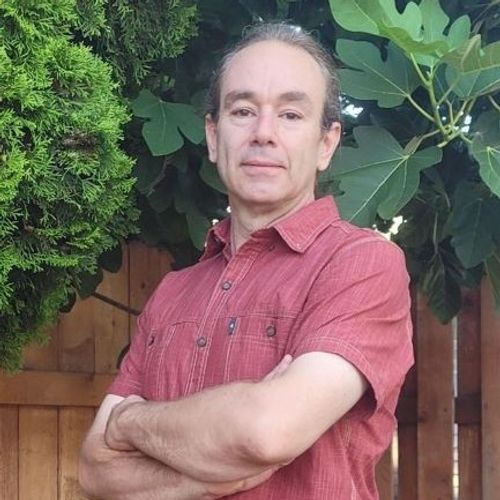
Steve Frazier is a lifelong entrepreneur and wellness advocate, best known as the founder of Release the Coffee Cuffs—a transformative program and community helping people break free from caffeine dependence. After owning six restaurants over two decades, fueled by stress and countless cups of coffee, Steve shifted his focus to sustainable energy and behavior change. He earned his MBA from American Intercontinental University and later combined his passions for natural health and the psychology of self-sabotage to write Release the Coffee Cuffs: Winning the Battle with Caffeine. His science-backed, story-driven book and eight-week coaching program empower others to restore focus, calm, and vitality without relying on stimulants. Today, Steve speaks on podcasts and at live events, guiding high achievers to reclaim their natural energy.
Connect on LinkedIn: https://www.linkedin.com/in/stevefrazier/
A gift from our guest:
Effects of Caffeine https://www.releasethecoffeecuffs.com/effects-of-caffeine
Tools and trackers https://www.releasethecoffeecuffs.com/Tools-and-Trackers
In this engaging episode, we dive deep into the world of caffeine with Steve Frazier, who’s here to spill the beans—pun absolutely intended—on why many of us are unknowingly chained to our coffee cups. With the charm of a seasoned storyteller, Steve shares his own transformation from a caffeine-dependent restaurant owner to a wellness advocate, emphasizing the science behind our beloved stimulant. He discusses how caffeine messes with our sleep cycles, our stress levels, and even our adrenals, making it clear that our morning fix might be more of a morning faux pas. As we laugh and learn, Steve offers practical tips on how to gently wean off caffeine without the dreaded withdrawal headaches. Whether you're a casual sipper or a full-blown caffeine addict, this episode is packed with insights that will have you questioning everything you thought you knew about your coffee habit!
Bringing Education Home is an educational podcast brought to you by Kristina and Herb Heagh-Avritt.
If you enjoy the show, we'd love for you to leave a rating or review on your favorite podcast app!
Please let your friends know they can listen for free on Apple Podcasts, Spotify or their preferred podcast app or online at Bringing Education Home.
Sponsored by Vibrant Family Education - creating Happy, Healthy and Successful kids
Follow us on these socials:
Facebook Group - The Family Learning Circle
Facebook Business Page: Vibrant Family Education
Support Bringing Education Home
Copyright 2026 Kristina & Herb Heagh-Avritt
This podcast is hosted by Captivate, try it yourself for free.
Transcript
I now have the pleasure of introducing Steve Frazier.
Steve is a lifelong entrepreneur and wellness advocate, best known as the founder of Release the Coffee Cups, a transformative program and community helping people break free from caffeine dependence.
After owning six restaurants and over two decades fueled by stress and countless cups of coffee, Steve shifted his focus to sustainable energy and behavioral change.
He earned his MBA from American Intercontinental University and later combined his passions for natural health and psychology of self sabotage to write Release the Coffee or to write Release the Coffee Cups. Winning the Battle with Caffeine.
His science back story driven book and eight week coaching program empowers others to restore focus, calm and vitality without relying on stimulants. Today, Steve speaks on podcasts and live events guiding high achievers to reclaim their natural energy.
He lives in Schofield, Wisconsin with his wife Brenda. Welcome Steve. It is a pleasure to have you here. We had you a couple of weeks ago on health, wealth and wisdom. Real short interview.
Lovely to have you back. Thank you for joining us here today.
Steve Frazier:My pleasure.
Kristina:It is going to be a great conversation because you know, there are so many people who are like, oh, coffee is one of those things that they have to have in the morning.
And just like so many other things when you look at the actual ingredients like caffeine in it, there can be something around those ingredients that cause something that you're not expecting even though everybody does it. So it's gonna be very interesting conversation because I am a coffee drinker and I love it mostly for the taste.
I don't usually, you know, use it for the quote unquote stimulus effect, although I know it's impacting me in certain ways. So this is gonna be eye opening. And the biggest thing around all of this of course is how does it affect our audience, our families?
How could parents maybe look at this a little bit differently about how it is introduced in their family or used in their family or what other underlying things might be happening that they don't know about. So thank you for that. Thank you for being here and talk just a little bit about the beginning.
You know, we talked in your bio a little bit about you've always been a wellness person. But what was that pivot point? What was that thing that really changed that make this a passion that you really wanted to get out there?
Steve Frazier:Two things, two things happen. Dramatic. Thirteen years ago my wife got ill and was, was, was chronically ill. Saw 17 doctors over two years with no outcomes.
They actually all told her to just leave. And you know, it gives you lose a little Faith in the medical system when that happens.
Kristina:Yeah.
Steve Frazier:And so at that same time, our daughter Alex became a natural health practitioner. And she walked into our house and said, I'm going to test you. There's something here. Because she does energy work and muscle testing.
That's, you know, that's her. It's all natural. And in 15 minutes, told Brenda that she had Lyme disease from the waist down. Now, Brenda was slowly dying at the time.
You know, we all, we all are dying. She was dying much faster than the rest of us. Okay. Let's put it that way.
Herb:She was quickly, slowly dying.
Steve Frazier:Yes, exactly. And so we had to dive into that natural health rabbit hole.
And it's one that I've been in a lot of rabbit holes, and that's one that I really don't want to come out. Yeah. And don't regret. And.
And we just continue to go down because as a result of her illness, she became celiac, she became grain intolerant, which, you know, nobody, that, that's easy to say, but if you understand, that's no corn, that's no rice, that's no wheat, obviously no gluten.
You know, and a lot of the, A lot of the stuff that's made, processed food, and a lot of it has glyphosate in it, which obviously doesn't help her or you or me if we, if we eat that. And so we had to completely change our lives, our eating habits. You know, I make all the meals basically from scratch.
I shop almost every day, non GMO, mostly organic, grass fed, 100 grass fed beef, no antibiotics in the chicken, that kind of thing. And about that same time, I had a, a health scare.
I was in the car shortly after that and driving to Milwaukee, which is three hours away, to do a demo for pasta that Brenda created because she created her own pasta made from garbanzo bean flour, so. So she could eat pasta again. See, she couldn't eat pasta because of the wheat, the gluten.
Herb:Right.
Steve Frazier:And so I was demo. I was going to a demo work for six hours drive, three hours back, so I would load up on caffeine all day.
I mean, I, I drank a lot, coffee, energy drinks, and I had 45 minutes from home. I had heart palpitations. I thought I was having a heart attack.
I turned around, I called her, we go to the er, they put me on an EKG machine and I'm watching the needle go up as my heart, my heart feels like it's jumping out of my chest. The doctor walks in and he says, you're going to be okay. You're not dying. You didn't have a heart attack. Well, I said, that's great news.
You had premature ventricular contractions. They're called PVCs, and everybody has them.
I happen to be very, very susceptible to them, and so I could notice them, but this was the worst attack I had ever had. So I said, so what causes this? And he said, well, stress. I said, okay. And then he said. And he paused and he smirked, and he said, and caffeine.
Kristina:And caffeine.
Herb:He knows you can reduce stress, but most people can't reduce caffeine.
Steve Frazier:So it's like.
Herb:So, yeah, I'm gonna change that.
Steve Frazier:Right, Exactly. So I quit. I quit caffeine, and I quit for a couple years. And then like every good addict, and I don't use that term loosely, but it's the truth.
And we'll talk about that in a little while. You know, if you. If you don't think you're addicted to caffeine, just quit for 24 hours. You'll know. Yeah. Anyway, so I started again.
So for six years, I. Because I. I thought, oh, I can control this. I don't need this every day. Well, that was it. You know, I've drank caffeine every day.
Two years ago, I wasn't sleeping well. It was controlling my life. I needed to function sometimes.
And so I quit cold turkey, which I don't recommend because it's very painful, because you get these headaches. And what they are is they're adenosine headaches. And we may or may not get into this later, but adenosine is what puts you to sleep at night.
It's natural part of your circadian rhythm, and it. It increases throughout the day. And you have these receptors in your brain.
And caffeine, the caffeine molecule actually is very similar to the adenosine molecule, and it plugs those receptors, which keeps you alert. Okay. And this is. This is biology. This isn't something that you and I can control. Our bodies are controlling this.
Herb:When you wake up in the morning, it takes your body about 60 to 90 minutes to reabsorb the adenosine from when you're sleeping. So, yeah, that's one of the things I know. So I actually convinced her to wait for 90 minutes before she drinks coffee.
Steve Frazier:Right. And that's a great.
And the first thing you should do is look at the sun or sun lamp and then drink lemon water, because what that does is rehydrate your cells and then have A cup of coffee because. And I'm going to get into this in a minute because what it does is it does mess with your circadian rhythm. Yeah. And once, once you.
Once you mess with your circadian rhythm, you are not getting the sleep that you're intended to get. And sleep is the foundation to your health if you get a good night's sleep.
Because there's all kinds of things that happen, which I'm going to get into. Okay.
So anyway, I quit, got massive adenosine headaches because when you quit drinking caffeine, your adenosine receptors open up and the blood flows to your brain. Now, these can last anywhere from 24 hours to 10 days, depending on what your usage is. And there's no relief other than caffeine.
You can take all the ibuprofen, all the Vicodin you want. And I'm not promoting that. That's not the point.
Kristina:Right.
Steve Frazier:It doesn't work on adenosine headaches because it's because the adenosine headache is caused by the blood going into your receptors. So ultimately what happens is you just feel better because you get a good night's sleep. You know, I.
In the book that I wrote, the first chapter is anecdotal stories. And it is.
Perhaps I had it at the end because I thought it was kind of entertaining, kind of cool because it's all stories about people that quit caffeine. And as I put it together, I realize it, it could be the most impactful chapter because you can find. You will find yourself in there if you read it.
And every, every person in there, the biggest benefit was their sleep and the energy that they have when they wake up in the morning. In fact, there's a guy that was doing a thousand to two thousand milligrams a day. He was drinking espresso shots to go to church to make decisions.
Very successful multi millionaire influencer.
Kristina:Yep.
Steve Frazier:And six months after he quit, he realized that when he wakes up now, he feels like he has a double or triple shot of espresso. Because our bodies are beautifully and wonderfully made.
Kristina:Yes, they are.
Herb:Yeah.
Steve Frazier:And we screw them up. Okay. Yeah.
Herb:Kind of physically I hurt my head, got a lot of brain damage. So I've done a lot of brain science around, around my head. So a lot of my day is geared towards. Towards sleep. So, like getting sunlight right.
First thing in the morning, being out in the evening. So you get the red shift turning, so. And I still don't necessarily sleep that well. Caffeine has never been a big part of my life.
There was one summer where I was working with a bunch of people that were drinking monsters. So I started drinking monsters, and after like, two or three months, like, this isn't sustainable. And so I stopped.
It was hard stopping even after two months. So it is. Yeah. So every once in a while, I'll have a chai tea. Sometimes I'll have, like, herbal teas, but, I mean, I don't even drink soda pops.
Caffeine is, like, such a rare thing for me, so I don't get the joy of. Of crashing. And then, ooh, hey, that's so much better almost. Yeah. So I'm also. I'm also an addiction, and.
And I've trained addiction and alcoholism recovery coach. I know that that, like, relapse is part of addiction. There's a learning process. And so, you know, but. But if you go all.
Don't go all the way back to the beginning when you. Beginning when you relapse, it's like, why? What's going on? You ask some questions, and then you build from there instead of starting over. So.
Steve Frazier:Right.
Herb:Lots of great information they're looking forward to hearing. Because I'm, like, fully on board with what you're saying so far. It's like, I want to jump in and talk over.
He's like, oh, I know this, I know this, but. But we're here for you today. So, yes, this guy knows what he's talking about so far. Let's see how it keeps going. But right on.
Very well done, and thank you for sharing so far and ready to keep going.
Kristina:Well, actually, one more thing. I just want to put a little plug in here to the audience, look and listen to what he was saying.
You can achieve the bouncing out of bed, the feeling good without necessarily having some of these things, the sunlight and things like that. And if we are having these discussions with our children as we're raising them, oh, being in the sun helps us feel alive and awake.
Being in at, you know, fresh air.
Herb:Being outside, touching the ground for a few minutes.
Kristina:That water, when we first get up helps our body do something. Just putting those little seeds in their heads when they're younger, and then you.
Herb:Know that, hey, this is a human body. This is. This is a thing that needs to be taken care of. Not just the brain. It's like there's life happening and be involved with life helps all this.
Steve Frazier:Yeah. Well, it's interesting. You know, we're going to talk about the family for a minute, the family unit.
And in one of my presentations, I start out with a folders in your cup commercial. And I don't know if you've ever seen it, if you haven't.
Herb:The best moment of waking up in your cup.
Steve Frazier:Yep. And it starts out with mom making coffee in the kitchen. I mean, the beans are perfect.
Herb:Soldier coming home in the morning and waking up the family with the.
Steve Frazier:You can smell it. You know, you can. You can taste it. She walks into the bedroom with two mugs of coffee. Dad is sitting in the. In the floor between two twin beds.
She hands him a cup of coffee. They take a sip, they smile, they smell.
And then two little boys come out and they got their teddy bears and they hover around dad for a minute and then they all give a group hug and everybody feels good because you've got a massive dopamine hit. Okay, you just got one.
Herb:Okay.
Steve Frazier:Because I just.
Herb:You did.
Steve Frazier:You can't help it. You don't control this. You get dopamine hits. I get a dopamine hit. When I talk about this, you know.
Herb:Gen X commercials always give me a dopamine hit. Nostalgia, Take me home.
Steve Frazier:Exactly. So why do I bring that up is because those little boys look at mom and dad and I'm talking to you, mom and dad right here. Okay?
In the first seven years of their lives, their subconscious is being programmed. Yeah, it's called the theta brainwave state. Okay?
As adults, we only are in it generally twice a day, right when we wake up and right before we go to bed. And that's where we can actually reprogram our subconscious. Kids are in it for the first seven years of their life.
And, and so if you show them, and I'm. I'm speaking directly to you guys and to your listeners.
If you show them that the success to parenting and happiness is having a cup of coffee first thing in the morning, that's what they're going to believe, okay? They are programmed. They cannot help it. I'm not making excuses. I'm a self sabotage coach. Okay? We are programmed. You know, we. We all have.
We all self sabotage.
Herb:I'm going to do a little shameless plug here. Again, Brain science, you're in Theta till you're seven years old.
If you send your children to school, into a classroom for the last two years of theta, then they're going to get the idea that education is sitting in a little cube and being quiet. Let them play for those last two years.
Then once they're out of that and their brain starts to develop a different way of learning, then you can start. Education is Going to be so much more healthy for your children.
Brain science ways just for playing for those last two years of theta activation in your children.
Steve Frazier:So I agree.
Herb:Brain science right there.
Steve Frazier:That's a great school. That's a great plug. Very, very great plug. And so how, how do we want to influence our kids? You know, I mean that's this a big question.
And you know, I'm gonna, I'm, I'm gonna make some bold statements occasionally. And these are not my opinions most of the time they're just facts because I have 300, over 300 citations.
I've done a lot of research and don't take this personally. The worst thing you can do in your life is the first thing you do when you get out of bed is have a cup of coffee. Coffee or caffeine. Yeah, it is.
And, and that's, that's science based. Again, if you, if you wait 90 minutes and have some water first, at least you gave your body to recover. Caffeine is a diuretic.
Kristina:Yeah.
Steve Frazier:And so what happens when you go to the bathroom? You don't just get rid of water, you get rid of minerals as well.
And if you aren't supplementing those minerals, and I'm not giving you medical advice here, but I am telling you that you should go see a natural health practitioner because you're going to lose calcium, you're going to lose magnesium. And if you're not supplementing them, you are deficit.
Herb:Yeah.
Steve Frazier:As you, especially as a woman, your body, your bones after menopause, your bones are going to go to pot osteoporosis because you don't have the minerals that your body needs.
Herb:Yeah. Tyrosine is a big one too. That it's a building block. That it wipes out your tyrosine levels too.
That's a, that's, that's feel good throughout your day.
Steve Frazier:Yep.
Herb:Chemical that, that you produce.
Steve Frazier:It's like, you know, I'm not anti caffeine and neither is my book. I'm pro health and I'm pro knowledge.
Kristina:Yeah.
Steve Frazier:Because I know a couple things is that I can't influence. I can only influence. I can't make anyone do every anything. And the reason is this. We all have free will. Free won't.
Kristina:Yeah.
Steve Frazier:And I credit my wife with that. She's got some very wise sayings in her, in her short lifetime.
And you realize that whatever we're doing, whatever we're putting in our mouth, we are doing this of our own will, our own free will. And so once again, caffeine Is a legal drug psychoactive. It is socially accepted, and it is socially promoted.
Because what happens when you drink it, first thing is you get this. You're getting a. You're getting a dopamine hit before the cup even hits your lips. Okay.
Most of the dopamine hit is released before you actually hit the caffeine because it's the anticipation. The next one is adrenaline.
Kristina:Yeah.
Steve Frazier:Okay. And adrenaline is a wonderful thing if you actually are in fight or flight, because you'll.
It'll save you running from the bear, from the tiger, maybe you can see if you ever heard the stories of mom lifting up cars off of their kit, whatever, you know? Yeah. It's real, but it's intended for that. It's intended for fighting or flighting.
It's not intended for just sitting at your desk or sitting in your cubicle or sitting at your kitchen table. Because what happens then is your body says, oops, he's not using. Because what happened? The adrenaline.
When the adrenaline hits you, you get glucose into your muscles, because, remember, you need that energy, right? And it also shuts down your digestive system, because your digestive system, bless you, uses energy. And so you don't.
Your digestive system changes after you drink caffeine, and the glucose now in your muscles is not being used. So what happens?
Herb:Your blood sugar goes up, creates an insulin response.
Steve Frazier:Exactly. Your pancreas says, oh, man, look at all this blood sugar. I got to put some insulin in here.
Now, if you're doing this three to five times a day, your pancreas is getting a workout. And at some point it's going to say, oh, I'm getting tired. I'm not going to put in quite as much insulin because I can't, because I'm too tired. Yeah.
Herb:So another way that this represent or correlates with brain damage really well is the brain damage wiped out my adrenal system. I ended up in, like, stage five adrenal fatigue. Okay. Once you. Once you.
Once you stop having adrenaline in your system, you can't, like, get bursts of it. So with.
With the caffeine in this situation, if it keeps you in that fight or flight mode and it slowly releases your adrenaline and it puts you in adrenal fatigue, Stage five is, like, bad. It's like, I don't think it gets worse than stage five.
Kristina:I thought you were seven, but maybe not five to seven. It was bad.
Herb:It was bad.
Kristina:His health practitioner was completely worried about him. She's like, how are you even moving right now?
Steve Frazier:Yeah.
Herb:So anyway, I ended up on the all meat diet. So I had to give up breads and grains and, and so much of that.
Another weird, shameless plug is all so many of the stuff that we are allowed to eat in the United states. There's over 185 things that are illegal in other countries, including our wheat and grains and breads.
We can't transport our grains over overseas because they're considered poison. So a lot of people who have grain allergies here in the United States, if they go to Europe, they can suddenly start eating bread and are fine.
So another thing is diet. So you cooking your meals every day fresh.
It's like we try and get our families to get to that point, to get to that point because there's so many communication and family and health issues around just our diet as well. So again, vibrant family education isn't just around teaching and learning. It's about creating that, that holistic education for the family.
And so again, what you're talking about here, spot on for what we're doing because so many people, even kids, it's like how many kids do you see walk into school with a big gulp 64 ounce thing of soda pop in the morning on their way to school? It's like absolutely crazy, insane what our kids are doing to themselves.
Steve Frazier:I eat breakfast with, I eat lunch with my grandson who's 8 years old once a week. And I see some of the kids get packed lunch and one kid in particular packs his own lunch. He's eight years old. It is Oreos and candy and Cheetos.
I'm not kidding you. Every, every day.
Kristina:Every day. I get it.
Steve Frazier:This is what he's having for lunch. So he's getting this.
And it's not necessarily caffeine, but he's getting, he's getting more sugar at lunch than he should have in two days maybe, but he's having it in just one meal.
Kristina:Yeah, yeah.
Herb:Well, the chocolate milk at school, those, those little chocolate milk things that has like four times the sugar that a person should have in a day, like a pregnant woman, that's four times the amount of sugar that a pregnant woman needs in just those little cartons of milk.
Kristina:So again, and they drink them twice a day, usually for breakfast and for lunch.
Herb:So yeah, Another reason to take your kids out of school away from the poisonous food.
Kristina:Okay, so we've just overwhelmed our audience with all this bad stuff. Is there a tip? Is there something we can give them a small step?
Steve Frazier:Absolutely.
Herb:Right now I'm going to say this again too real Quick, because why should people. When is a good time to drink coffee? Because if there is.
Because medicines are great if they're in little amounts and helping people, but then when they get overborne, you have like, drug addicts and stuff, and it's no longer helpful. So caffeine is a drug. Sometimes it's helpful. When is it helpful?
Steve Frazier:Never.
Herb:Never.
Steve Frazier:No, you just shouldn't have it. And I, I, that's my opinion, okay?
This, based on my research, you shouldn't have it because there's, there's, there's no documented health benefits to having caffeine. Okay? You can't, I mean, we, we don't, we could talk about it. We could, we wouldn't argue, okay? Because there's no argument.
Because there are, there are no documented studies, okay? There are, there are studies that show that, that drinking coffee can extend your life a little bit and, or make you healthier.
Now, the caveat in those, and those are big, those are meta studies. Five hundred thousand, a million people. The caveat is this, is that when they did that, they did two groups.
They did a group drinking caffeinated coffee and a group drinking decaffeinated coffee. The results were the same. Now, what does that tell you? Caffeine had nothing to do with it. Caffeine had nothing to do with it.
You know, there's a major influence that sells coffee on the Internet, and he's multi millionaire, okay?
And he, he went on, and my wife sent me a reel a couple weeks ago, and he said, well, if you drink three to five cups of coffee a day, you live longer and you get 67% of your antioxidants. So I, I was really irritated, so I did a deep dive, okay? I did a deep dive on it. And that's where I found these meta studies.
And, and it's simply that there's things in coffee, good coffee, organic coffee, particularly Swiss water, processed decaf, because regular decaf has 10 to 15 caffeine in it. Yet you should be aware of that.
If you're sensitive to caffeine and go to, go to decaf, you're still getting caffeine and it's still going to affect you.
But then you look at the antioxidants and this was interesting because he actually was kind of telling the truth, because in the United States, people eat so little food with antioxidants that they are really getting 67% of their antioxidants from coffee because they're drinking so much of it.
Kristina:Oh, my gosh. Okay.
Steve Frazier:I mean, if you think about this. This is. I. I don't even know what a good analogy is here. Okay. It's like. It's like doing cocaine and getting a lot of work done.
And that's okay because you're getting a lot of work done. But other than the fact that your life's gonna fall apart, I don't know if that's a good analogy or not. But, you know, when.
When we talk about what a tip for families to get out of these things. Okay.
Kristina:Yes.
Steve Frazier:First of all, no one should have the illusion that being healthy is easy.
Kristina:Correct.
Steve Frazier:It's not. And so if you, you know, one of the things that I'm run up against in every.
Every podcast and not pushback from the host, but it comes up is I've given my book out to family and friends, and the first thing they say to me is, you can't make me stop drinking. You can't take my coffee from me.
Kristina:Right.
Steve Frazier:I have no desire. I don't. I don't care if you drink coffee. That's. That's your body. I'm telling you what it's doing to you.
And then you as an adult, hopefully mature and responsible, then make the right decision for your body. So when you decide that you want to be healthy, okay, again, you know, I drink. I drink a cup of coffee every day. Whoa. Yes, I said that.
It's Swiss water processed. And I'm going to send you links to all this. Okay. I have a tools and trackers. It's about acknowledging there's.
There's a whole bunch of information and what I'm going to send you, and you can put it in the show notes, but in the coffee that I drink is organic Swiss water processed fair trade coffee. Okay. Swiss water process takes out 99.9% of the caffeine with water. So there's no chemicals. Regular decaf is one of the worst things you can drink.
Kristina:Huge chemicals. Yeah.
Steve Frazier:Because all the chemicals they have to use.
And just as an aside, when we're talking about decaf, do you know what happens to the caffeine that comes out of the beans when they decaffeinate them? No. They sell it to the soda companies and the energy drink companies, of course. Because there is.
Because there is no reason to put caffeine into soda other than getting people addicted.
Herb:Okay, back to Gen X. I remember Jolt Cola. Do you remember Jolt Cola?
Steve Frazier:Oh, absolutely. Yep.
Herb:It was the first one, and I was a teenager when that came out. And it was all the sugar and all the caffeine that they were legally allowed to put into a can.
And it was that exciting, and it was terrible, but, boy, was that exciting.
Kristina:For a lot of people. Yeah.
Steve Frazier:So when you look at your journey, your health journey, you know what, What? I'm going to use myself as an example. I'm pretty healthy. I'm 68 years old, no meds. All my numbers are good. I feel great.
Thirty years ago, I was, I was supposed to get my Knee replaced in five to 10 years. I have no pain in my knees now because of the way I eat and the supplements that I take. Okay.
So, you know, and, and for anybody who doesn't know this, your body regenerates. Different parts of your body regenerate always. You're in constant state of regeneration. Like, your skin completely regenerates every 60 days.
Kristina:Wow.
Steve Frazier:And parts of your, some of your other parts of your body, I'll go up to seven years. So there's. You can always get better.
Kristina:Yeah.
Steve Frazier:As long as you're alive. You know, and this is the observation I made about my wife when she was almost dead. If you are alive, there's always hope.
Okay, so how do you, how do you make your life better? Well, you have to have a plan. And this is the same. And I have a plan. You know, every. And you talk about recovery. You know, you do recovery work.
If you don't have a plan, you're going to fail. Okay. And I've done a number of recovery podcasts. Okay. Alcohol and drugs. So I'm very familiar with the work that you do.
Because the guys that are hosting are recovered addicts.
Kristina:Yes.
Steve Frazier:And they have me on because I talk about how do you recover from caffeine? It's this. They're not the same, but the concept is the same.
Kristina:Yeah.
Herb:You want to try the hardest drug to get rid of Sugar.
Steve Frazier:Sugar.
Kristina:Sugar.
Herb:Oh, my gosh.
Steve Frazier:Yeah.
Herb:Processed sugar has only been around for 80 years. 80 years. And now it's such an integral part of our diet, and it's killing us probably quicker than, than caffeine, but we got somewhere.
Steve Frazier:I agree. I agree.
Herb:I, I. So we are on a carnivore diet. We eat, we eat beef, eggs and cheese and, and butter and that, that, those. That's pretty much it.
Steve Frazier:So.
Herb:And our health is getting a lot better. Our skin's getting better. Yep. Some of the aches and pains. Aches and pains are going away.
Kristina:Yes.
Steve Frazier:Because your inflammation. Your inflammation is going down.
Herb:I've done this before, but again, you fall off the wagon because food and sugar and all of that stuff Addictive, but. And one of my favorite sayings is if you don't eat your food like it's your medicine, you will be eating your medicine like it's your food.
My mom is 80, 82. She is on zero medications, zero supplements. We eat a healthy diet and she is kicking and walking around and having a good time.
No medic, we are on no medications at all, period.
Kristina:So I have my caffeine.
Steve Frazier:I'm gonna say this. Medications sometimes are necessary to keep you alive. And so don't.
When I talk about these things, there are, are instances where you need to take a medication. Okay. And I, I just, I'm, I'm blessed with a healthy body. And so if we go back and look at.
So when I wake up, the first thing that happens is my cortisol goes up. Cortisol is a stress hormone and it's just like adrenaline.
However you naturally produce this because what it does, it gets you going throughout the day and it goes down as your adenosine and your melatonin go up. What happens with somebody that doesn't. That has caffeine? First thing is you double pump your cortisol level.
And now your body says, well, what's going on here? I've got twice as much cortisol. And so what am I supposed to do with it?
Well, ironically, oftentimes it actually goes into something called the cortisol belly. And you can't, you can't control this because cortisol has to go somewhere. And that where it goes is a little belly right around your stomach.
Men and women. Okay. And so, and then you have the dopamine, you have the adrenaline.
Herb:Every time you don't pooch, you can't lose. It's like no matter how much you work out, no matter what.
Steve Frazier:Yes, that's. And that's what it is. It's called the cortisol belly. And you can't get rid of it.
Healthy people, you can eat a perfectly clean diet, but if you're always on caffeine, you're going to get a cortisol belly. Ultimately. Yeah.
Herb:That's good to know. I did not know that.
Steve Frazier:So as you start your day, you start with like you said, protein Carnivore. You know, my son and daughter in law have a huge business online business called Primal Bod. It's purely carnivore and keto. Okay. And it's.
It exactly what you're doing. Okay. I mean, to the table. So where do we want to go after we, what do we do? How do you get natural stimuli.
Well, first of all, if you get off of caffeine, you are going to have energy you don't need. You don't need anything else. Okay, so for those, for you moms and you're, you're using caffeine to function because you're, you're exhausted.
Kristina:Yeah.
Steve Frazier:Because your kids, you know, and you possibly have a newborn or one year old and they're not sleeping well. And so what do you do? You, you, you, you're up all night. So you drink caffeine. Well, what caffeine does is exasperates all those things.
It's pouring gasoline on the fire. Because caffeine affects your sympathetic nervous system and your parasympathetic nervous system. And there's a difference.
The sympathetic nervous system is. And it doesn't sound right, but it's, this is what it's called. It is your fight or flight mode.
And every time you drink caffeine, you're put into it and that carries over into your sleep. So when you go to sleep.
Herb:So go ahead, I'm gonna pop in one time. People always say fight or flight, but it's fight, flight or freeze. And I'm a freezer. So when goes wrong, I, and I just kind of lock.
But I'm not as scared, but I have to get.
So yeah, so there's this freeze action as well where you just kind of step back and check out that is just as energy intensive as the other kind of freakouts. And, and you need to be aware of that. So if you think, oh wow, I'm not, I'm not scared. Or it's like. But if you just.
That is also a reaction that you need to be aware of that's taking away from your energy.
Steve Frazier:So what happens then is that you are always in this, in this state and it goes into your sleep. And so you, your, your sleep cycle is broken up into four stages. You've got one and two. One is when you're dozing off.
Two is when you're, you're is 40% of your cycle. And not a lot happens there. You, you might dream a little bit, you might have a little bit of activity.
But then stage three is crucial because that's where you heal. That's where your body heals. Men produce testosterone, women produce estrogen, you heal your muscles. And then stage four is REM sleep.
And that's where you dream and that's where your subconscious is actually doing some repair on your brain. Now when your circadian rhythm is disrupted and that your sympathetic See what happens when you go to sleep.
Is your parasympathetic mode supposed to take over completely? Your blood pressure goes down, your heart rate goes down because you're, you're in, you're resting. Right.
By having regular caffeine or caffeine within six hours of going to bed, it's, you don't get into a very good parasympathetic mode. And so stage three and stage four are activated later and they're shortened.
Now what you may not realize is that you have four to six sleep cycles a night. So you go through that four times. Four to six times those four stages.
Well, if you're not getting good stage three and stage four sleep, you're awake, you're tired when you get up. You know, and I mean, and I'm, I can't say that every person that drinks caffeine chronically is tired when they get up.
I would have to say the vast, vast majority are because they're in withdrawal. And, and so it becomes so normal.
Herb:They probably don't even know how tired they are.
Steve Frazier:It's just how they are because you aren't. And I'm going to use you as an example, Christina. You know, you, you don't get a high anymore when you drink caffeine. You're just reaching.
You're going to a baseline. Okay. You know, how many, how many people. This is a hypothetical, theoretical, philosophical question.
Kristina:Yeah.
Steve Frazier:How many people actually know what it's like to feel healthy?
Kristina:Right.
Steve Frazier:My, get my answer. My opinion is very few. Very, very few. Yeah. Because, because you are putting stuff in your bodies that's not good for you. And it's not just caffeine.
It's alcohol, it's nicotine, it's drugs, prescription drugs, all these things. If you're not getting good night's sleep, you can't be healthy.
You can't be truly healthy if you don't get a good night's sleep because you don't have that repair mode. And everybody's different. And so there are people.
I mean, I had a host tell me last month that he drinks a Diet Coke at 11 o' clock at night and goes right to sleep. Sleep. Because he was, he was challenging me. And I, I said, good for you. I'm glad you can go right to sleep now. I know that his sleep stinks, okay?
Because biology, chemistry, and the fact is, is that when those, when, when caffeine is going into his brain and his body, he can't reach those good stages of sleep. He can't, it it's not possible. And so he wakes up the morning and what does he do?
He didn't, he didn't tell me this, but the first thing I know he does is he has a diet Coke right when he wakes up. And so as we go through all these stages, we think about what's the best thing for me to do. Quitting caffeine is not just a physical thing.
It's freedom. It's liberty.
You are, you are no longer chained or handcuffed or coffee cuffed as my, you know, I mean my, the name of my book and my program is, is a right off at handcuffs. Right. And I mean, you know, my website is released the coffee cups with cuffs. Okay. And it's not cups, it's cuffs. Because we are.
Most people are chained to it.
Herb:And I would also like to point out that your program is eight weeks. So it's not like, oh, I want to get off caffeine and boom, you're done.
Kristina:It's like process a habit for me and some people.
Steve Frazier:One of my, one of the programs has four four month access with group coaching calls with one on ones. Okay. And I give people options in my programs. I'm going to add a C suite program this week.
Kristina:Yeah.
Steve Frazier:That's much more expensive. But you get immediate access to me almost anytime. Okay. Because quit. It's support. And you know this as in your coaching recovery people.
If you don't have somebody next to you to support you, you fail. Often. Often.
Kristina:And another thing that often coaches talk about is that whenever you're getting rid of something, you have to replace it with something good. Right. So what are you going to replace it with? That be healthy instead.
Steve Frazier:I have a whole chapter in my book on that.
Kristina:Yeah. Awesome.
Steve Frazier:You know, herbal teas is one, but different stuff, different, different stuff like that and this, the Swiss water processed decaf. I'm all in on that. Okay. Because I, I don't. You know, you like the, you like the taste of coffee. I don't.
Kristina:Okay.
Steve Frazier:So what do I, what do I put? Here's what I put in my coffee every day. I put a five mixture organic mushrooms. Okay. It's a powdered.
Kristina:Okay.
Steve Frazier:I put in cacao, which is a superfood and it's got 2 to 4 milligrams of caffeine. So yes, I'm taking caffeine every day, but I can handle the 2, 2 to 4 milligrams. I put in protein powder, collagen. I put in turmeric.
A quarter of a teaspoon with Black pepper with cinnamon with organic, organic coconut oil and a little bit of stevia.
Kristina:Wow, that's a super drink right there.
Steve Frazier:Right. So what am I getting? I. I'm using this coffee as a basis for my smoothie. You know, a lot of people do smoothies to get all this stuff. Right.
Herb:Do you pick the five mushrooms? Because I bet you there's like lion's manes, cordyceps, shiitake, probably a reishi and a maitake. Are those the five that.
Steve Frazier:Three of the ones you mentioned are in there? And I know I don't pick them because I would kill myself because I have no idea.
Herb:I'm not me pick them. But you, like, pick the flavors because, like, you can go and get bags of powder.
Steve Frazier:Yeah.
Herb:And also there's so many products out there. I am not. I've never tried it, but I know there's something called mud water that has a lot of the stuff that you were talking.
Steve Frazier:I haven't tried that either, but I'm familiar with it. I have. Next week, I get a pound of organic turmeric and a pound of organic ginger. And I'm going to slice them up and I'm going to make a tincture.
Kristina:Ah.
Steve Frazier:With that. Okay. It's with potato vodka because my wife can't handle grain vodka. Okay. But she can take this. And if the alcohol is. Is the carrier, okay.
And you only take like two droppers, so anybody can take this, even kids. Okay. They're not going to get a buzz. They're not going to become alcoholics. Okay. But the point is, is that I know now what I'm putting into my body.
Kristina:Exactly.
Steve Frazier:And so, you know, I want to touch on two things. One, what's the difference between men and women? You know, why mom and dad? Well, how is. How is the caffeine affecting you differently?
Well, for men, because you're hitting the adrenaline all the time, your blood pressure goes up, and at some point when you go to bed at night, your parasympathetic mode can't overcome that constant sympathetic mode. And so you don't get the rest you need so your blood pressure doesn't come down like it should. Okay. So you might have blood pressure problems.
So if you know someone that's having a blood pressure problem drinks copious amounts of caffeine, that could be it. Now, when I talk about these things, it's always. That could be it.
Kristina:Right.
Steve Frazier:Because there's always. There's always kinds of different. There's always different reasons. Right.
Another thing that happens to men is that because of the cortisol that's being produced by all the caffeine, their testosterone level is going to go down because cortisol and testosterone do not get along. So the more cortisol you have in your body, the less testosterone you're going to have. So as an example, when you.
A lot of guys take pre workout drinks and women. Okay. But guys in particular for the testosterone, when they take that and then they work out, their testosterone goes up because.
Because there's two things that men can do to increase their testosterone naturally. One is to get a great night's sleep, and two is to do heavy resistance or weight training because they get that, that muscle thing.
Now the guy that's taking the pre workout drink, his testosterone went up, but when he's done working out, it tanks because his cortisol level is still high. He's drinking more caffeine, more than likely. And so he's inputting more cortisol so his testosterone doesn't increase.
And then he's not getting good night's sleep, so he's not producing testosterone in stage three. Why is that important? Well, his libido goes down and his sperm is fractured and possibly the mobility goes down so he has less chance of conceiving.
Now we'll go to the woman's side and I'll touch that one right away.
What happens is that when women drink caffeine all the time, they have restricted blood flow to the uterus, which is where the egg is, which now makes it harder to conceive. So if you have a couple, young or old, well, obviously not too old because they're conceived trying to conceive.
Kristina:Right.
Steve Frazier:If they're both drinking caffeine, it could possibly be the caffeine. So quit.
Kristina:Yeah. And try that first before all the other.
Steve Frazier:Before you go and spend $20,000, have a doctor to tell you that may not even ask you how much caffeine you're drinking.
Herb:Yeah, yeah.
So as a coach, as I do, psychedelic preparation and integration is like, people come and like they start listing all of these problems that they have that they're looking to solve with a psychologist or a therapist or an antigenic treatment. And really when you start talking to them is like, what are you eating? How are you sleeping? What are you putting in your body?
And it's like, I can fix you, but if you don't fix this, then everything that is going to come right back because you, what you're putting into your body is coming out of your body as stress, as anger, as as disease. So if you put healthy into your body, you have healthy coming out of your body.
If you put garbage into your body, you have garbage coming out of your body.
Whether, again, whether it's your attitude, whether it's your health, whether it's your physical conditioning, it's got to come out and it's going to come out some way. So put better things in your body.
Kristina:Which is the reason we love having experts like you come on and just enlighten our families, enlighten our parents a little bit more. It's like we're not talking about drastic changes. Just one little step and be aware.
Because once you're aware, then those changes come a little bit easier and you might notice something that you didn't notice before. And then there is a motivation behind it as well, because, oh, now I notice this. Now I'm motivated to stop or motivated to change or something.
Herb:And anecdotally, when parents take their kids out of school and they're not in that lunch and they're not eating that garbage, just after a month or two, they are so much more calm at home just because they're not putting that garbage in their body. So.
Steve Frazier:Yep.
Herb:And, and that goes with caffeine and.
Steve Frazier:Oh, so, so what else happens to the mom, to a woman? Well, first of all, caffeine, naturally, because it, it messes with their sympathetic nervous system.
It's going to make you more anxious and more, you'll have more anxiety and your sleep is going to be poorer. So you, so you're now pouring gasoline. It's a, it's a cycle.
Right now my mission is to influence people to think about what caffeine is doing to their health.
That's my mission, my micro mission is to actually look at you and everyone that's listening to this and say, do you know a woman that is pregnant that's drinking caffeine? And if, if you do, I would ask you to share these facts with her. Okay.
Because this guy right here, this little person does not have free will or free won't. They are completely dependent on moments.
Kristina:Yeah.
Steve Frazier:And so, and these are, these are studies.
This is, this is factual, objective facts is that caffeine, when ingested by pregnant women, can lead to low birth weight, miscarriage, stillbirth, adhd, ADD and other developmental issues.
And because there's an enzyme in our bodies as adults, it's called the CYP1A2, it's in our livers, and that processes 95% of the caffeine out of our body as well as A couple other drugs. Babies don't develop that enzyme until they're three to six months old and they don't until they're one. They don't get to adult levels.
Now picture this. Mom is pregnant. She's drinking caffeine every day and it doesn't matter how much, okay? At this point, it doesn't matter how much.
So there's no safe level because baby is getting everything because it crosses the placental barrier, crosses the blood brain barrier.
Baby holds all the caffeine and it also plugs up their adenosine receptors and so they're, they're closed the whole pregnant, the whole time they're in the womb. And that the adenosine receptors actually connect other parts of the body for development.
Now, I have two miscarriages in my family, so I have two grandchildren I know of that aren't here. I went to my niece's daughter's open casket, seven month old fetus funeral.
Now if that doesn't, if that doesn't tear your heart, you don't have a heart, right? Why do I bring this up? Because maybe only one in a thousand or one in ten thousand stillbirths and miscarriages are caused by caffeine, okay?
But if you're the person that is experiencing that 1 in 10,000, it's a pretty big deal, okay? Because it doesn't just affect baby, it doesn't just affect mom and dad. It affects brothers and sisters, aunts and uncles, grandma's grandpas.
It's, there's a circle of influence there. And you and I and your listeners have the ability to save a life. We will never know. There's no delayed gratification here.
Herb:So I, I didn't like coffee.
We established that her family did her stories was we weaned them off of breast milk by giving them coffee, dip their finger in coffee and put it in the kid's mouth. And so right off it's like, this is their stories. Like, oh no, we, we drink coffee all of our life.
We can drink it right before bed and go to sleep and blah, blah, blah, blah, and you can and get.
Steve Frazier:A terrible night's sleep.
Herb:I hated coffee. I didn't like the flavor. It wasn't so much the caffeine in it. I just didn't like coffee.
And so when they started doing that to my children, like, no, no, no, no, we're not doing this right. So I kept our kids out of that cycle.
Steve Frazier:It's kind of funny you brought that up. I, I did a podcast with a lady that was born in Colombia. And when she went on the bottle, it was half coffee and half milk.
Herb:Wow.
Steve Frazier:Now there's a certain culture there, you know, they grow the beans and every. And she was honest. She said everybody didn't do this, but our family did. And she was on that for years. Yeah.
Herb:Like French and wine, like children have wine in small doses. Yeah. So.
Steve Frazier:So as, as you look at mom and you look at the fetus and you say to yourself all these things that are happening now when, when women are pregnant and it's funny, funny, ironic. Funny is that in different phases of a menstrual cycle, caffeine is processed differently.
So in the luteal phase, which is the 14 to 28 days a woman, a woman processes caffeine 70% slower. Now that's because of the estrogen that's growing. It's going into her body in that phase of her cycle.
Now that is also the case with, if you're on birth control pills and that's nonstop because of all the estrogen. So if you're drinking a cup of coffee at noon and a normal half life is five to eight hours, now it's eight to 12 hours.
It's very conceivable that half of the amount of caffeine that you drank at noon is still with you at 10 o' clock at night. Wow. Now realize how many people that are drinking caffeine regularly stop at noon. Okay, I know that was a, that was a comedy question for you. Right?
Herb:There's the, there's the 3:15 break in the afternoon where everybody go. Gets their last big cup of coffee to push through the last hour or two of the day and then maybe even grab a cup for the drive home.
Steve Frazier:Yep. And so you have to, you know, one of the tools I'm going to give you is, is a, is, it's how much do you actually drink?
Kristina:Right.
Steve Frazier:Because if you don't know, and I in there, I have a chart of a thousand different drinks in the United States and Canada, what the caffeine content is. It goes into every size, Duncan, every size. Starbucks, Tim Hortons, the whole deal. Okay. Every energy drink, every soda.
You know, eight months ago when I was writing my book, I'm drinking Diet Dr. Pepper because I'm trying not to gain weight. Right. And I'm looking at, and I looked at the can, for some reason, I just looked at the can, it's got caffeine in it. And, and I. There.
So then I started to look it up and I looked it up and Then I found that I also have Diet Sundrop, which is a citrus soda. Diet Sundrop has the highest caffeine content of any 12 ounce commercial soda in the world. More than Mountain Dew, more than Pepsi.
Kristina:More than Mountain Dew. Oh my gosh.
Steve Frazier:It's got 64 milligrams of caffeine in one 12 ounce can. And you know, Mountain Dew is around 50 something. So is Coke and Pepsi. You know, they're all, they're all different.
The point is, is that if you don't pay attention, caffeine is everywhere.
Herb:Yeah. That's one of the things that we do is we don't. I don't buy anything without looking at the label. I can't.
There's stuff in there that's like bad for me and I know it. So I have to look at. And if sugar is in the top five ingredients, it's like it doesn't even, it doesn't even make the list.
So no, most of the stuff I buy doesn't have labels. It's like pack, it's like fruit from.
Kristina:The outside of the side of the store.
Herb:So.
Steve Frazier:That's right.
Herb:If it, if it rattles or crinkles or it's in a box, it very seldom gets eaten anymore because there's just too much yuck in it.
Steve Frazier:Yeah, you're right. You're absolutely right.
Herb:Once you start looking at the labels, once you get in that, it's like, oh, hey, there's this product, it's got, it's got orange juice and water and this and oh, hey, this orange juice. It has triglycerides and saccharides and glyce and blah, blah, blah.
And it's like this long list for this amount of stuff and it's like, pay attention to that stuff. It will save and radically change your life.
Steve Frazier:Yep.
So as we, as we talked about these things, you know, I hope that you, your listeners and you guys can share if you know somebody that has some symptoms or is trying to conceive or is not feeling well or anxiety and nervousness.
Kristina:Yes.
Steve Frazier:And this, that. And that's not just a girl thing, that's a guy thing as well. Guys, just don't admit it, okay? Because we're not supposed to talk about our emotions.
Okay? I, I don't believe in that. I had a therapist for 18 years and she helped me so much and she never told me what to do. She just guided me. Okay.
Yeah, I haven't seen her for 10 years. But that's not the point. The point is, is that we all need. Sometimes we need help. And so I, I'll leave you with another Brenda ism. Okay.
Because she, she comes up with this stuff. Yes, you can lead a horse to water, but you can't make it drink. However, you can make it thirsty.
Kristina:Give.
Herb:It a lot of salt.
Steve Frazier:My role in life, my mission in life is to make people thirsty for knowledge about their health. And that's all I can do because I can't make anybody do anything.
Herb:Yeah, yeah. And if you are going to poach a coffee drinker about their drinking, make sure they've had their first cup of the day.
Steve Frazier:Right?
Herb:Yeah, yeah. And I, I heard it as like, you can lead a horse water, but you can't make them drink, but you can salt the hay.
Steve Frazier:Yes. There you go. And that would be making them thirsty. So that's a very good analogy, which I'm probably going to use.
Herb:Yeah, I heard that about three days ago. That one is not mine. I'm passing it on because it's like, oh, I.
Steve Frazier:That's great.
Herb:Yeah.
Kristina:Thank you so very, very much. This has been very enlightening, very thought provoking.
And I love, you know, the small tips that we gave our audience as well, is like the really think about this and really be motivated to make small changes because even small changes can radically change the direction of our family, directions in our lives and make things better. So this has been a wonderful conversation. Thank you so very, very much.
Herb:And you can tell how important it is to us because this is one of the longest podcasts we. A long time.
Steve Frazier:Really.
Herb:Well, yeah, we're actually, I think we're over an hour right now, and we usually try and keep it about half an hour, 45 minutes. But what we're getting here is just so important and so necessary because it's not just about caffeine.
There is broader stuff that we're talking about and people need to hear this.
Steve Frazier:Yes. It's about life.
Kristina:It is about life. So please drop your, Your information, how people can contact you again just so that they have it on.
And of course, everything will be down in the show notes. You've given those gifts to me. The trackers and things are there. People will download those. Yeah, Yep.
Steve Frazier:And you release the coffee cups, dot com. Everything is there. My coaching programs, the book is there. There's a lot of free stuff on there, you know, and there's a lot of information.
And quitting, quitting anything, including caffeine is not. It's a lifestyle change. And so, and you're, you're familiar. You, you do this as coaches. You know this. You quitting caffeine is not.
It's a lifestyle change. Just like we had to change our lifestyle eating when Brenda got sick, because it was either change or die. Now, caffeine's not the same, but it is.
It's a change, and it's a change for the good.
Kristina:Yes.
Herb:Yeah. I was 280 pounds. I couldn't get my arm. I couldn't get my arms over my shoulders. I couldn't touch my toes. I couldn't even touch my knees.
I was a wreck. I radically changed everything because I was walking dead. Changed my diet, gave up bread, sugar. I mean, I. Yeah, I went in. In the. In my.
My naturopath. Like when I told her is like, just don't take away my bread. It's the only thing I can eat anymore.
The only way I can eat is if I take a piece of bread and I squish it into a tight little ball and eat it. That's the only way I. And. And she just kind of grinned at me, and I looked at her like, you're going to take away my bread, aren't you? And she goes.
She goes, you have a couple of weeks. And I went home and I stopped bread that day because it's like.
Kristina:But he has that kind of personality. He can do that.
Herb:And so, yeah, I. I haven't had bread. Well, I've fallen off a couple of times for a couple of months, but pretty much in 10 years, I've given up bread for the last.
Steve Frazier:Good for you. Congratulations.
Herb:And hard, hard, hard to do.
Steve Frazier:Yep.
Kristina:Yeah.
Herb:Because.
Steve Frazier:Oh, it's got all that. Your brain. You're getting the dopamine hit every time you eat it. Because of the sugar. Think about it. Yeah. You know, gluten is a. Is a great.
Is like morphine. Gluten is like morphine.
Kristina:Yeah.
Herb:Yeah.
Steve Frazier:The more you. The more you eat of it, the more you need it and you want of it. Okay, so. And again, we could go on for another couple hours. So we'll stop.
Herb:Oh, yeah.
Kristina:But we do need to.
Steve Frazier:I want to leave. I'll leave you with this thought. Okay.
Kristina:Okay.
Steve Frazier:You know, I've talked about. If you know somebody, please pass this information on.
Kristina:Yeah.
Steve Frazier:Perhaps that someone is you.
Kristina:Yeah. Thank you. So.
Steve Frazier:And that's where I'll leave it.
Kristina:Awesome. Okay, audience, you know, it is time. And like Steve said, share this and don't be pushy about it. Just kind of drop it in gently. Right.
It's one of those things that when awareness comes, then they find out more, and then they want more, and then they do it. You know, it's one of those things. Or even when I was a teacher in the classroom, right?
And we would always do our drug program in second and third grade, and we'd talk about smoking and how it was bad, and my little kiddos would raise their hand, like, but mom and dad smoke. They're going to. It's like, okay, be calm about this.
Just go home and tell them how much you love them and that you care about them and that you found out that smoking could be bad. Could there possibly be a change? And leave it at that. Don't hound them, because then there's other resistance and things that come up.
Steve Frazier:Yes. Yeah, exactly. Yeah.
Kristina:So, audience, thank you so much. Share this episode. Share us around. Help other families.
Let's make sure that we're doing the best we can to keep everybody happy, healthy, and successful.
Herb:And thank you for being here today. It has been such a great conversation.
There are so many people that have this information, tried to get it out, and they're shut down or they give up. But you're out here and you're pushing through. You went out and you fought your dragon.
It almost killed you and your wife, and you came back stronger. And now you're sharing that information with your village, with your. With your world. And that is the hero's journey. And you are a hero. You.
You fought the dragon, and now you're helping other people so that they don't have to go through the same battle. So thank you for being here.
Steve Frazier:My pleasure.
Herb:Thank you for what you do. It is so important for this world. And thank you for caring.
Kristina:All right, everybody. Bye for now.