Episode 75
S2EP75-Howard Freedman-Financial Aid Hacks: Howard's Secrets to Paying Less for College
Howard Freedman returns to share the latest and greatest in college financial aid—because let’s face it, navigating this stuff can feel like trying to find your way through a corn maze without a map! With his expertise and bubbly personality, Howard breaks down the nuances of financial aid, from the importance of early planning to the power of communication between parents and students. He discusses the shifts in the college landscape over the past year, highlighting how factors like the economy and changes in educational priorities are shaping our kids' paths to higher education. Plus, we get a humorous peek into some of Howard's wild ideas about financial aid—marriage as a financial strategy? You bet! But don’t worry, he also shares practical tips for families to cut costs and explore different avenues for funding their child’s education. So, grab a cup of coffee, sit back, and let’s dive into the world of college finances with a side of laughter!
Howard is a college financial aid expert, speaker, and author who has spent nearly 25 years helping families avoid paying the full retail cost of college. Through his work with thousands of students and parents across the United States and Canada, he shares practical strategies that make the college planning process more affordable and less stressful. Howard is the author of Making College Happen and is known for breaking down complex financial aid concepts into clear, actionable steps families can use. Earlier in his career, he served as the ACCESS program manager for Boston Public Schools, helping students secure financial aid and scholarships. Howard holds a BS in Business Management from Northeastern University and an MBA from Suffolk University and is passionate about helping families make confident, affordable college decisions.
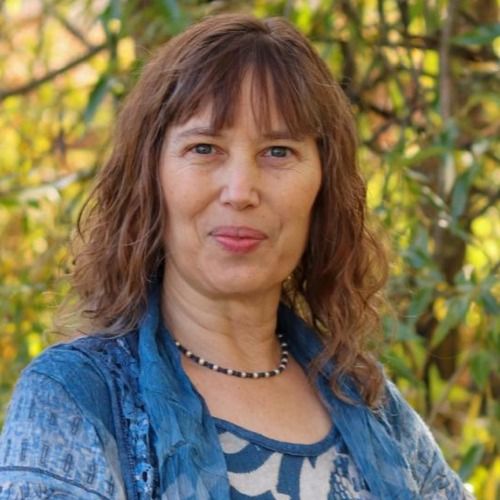
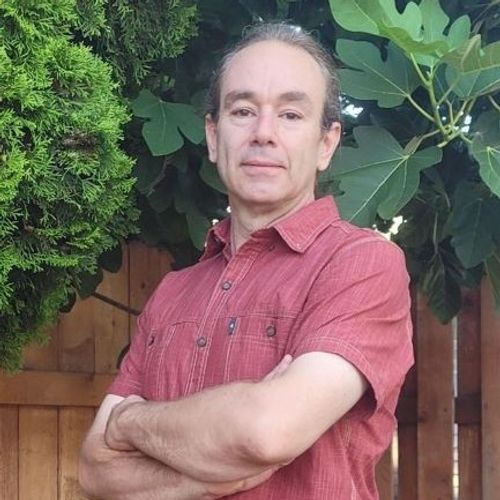
Bringing Education Home is an educational podcast brought to you by Kristina and Herb Heagh-Avritt.
If you enjoy the show, we'd love for you to leave a rating or review on your favorite podcast app!
Please let your friends know they can listen for free on Apple Podcasts, Spotify or their preferred podcast app or online at Bringing Education Home.
Sponsored by Vibrant Family Education - creating Happy, Healthy and Successful kids
Follow us on these socials:
Facebook Group - The Family Learning Circle
Facebook Business Page: Vibrant Family Education
Support Bringing Education Home
Copyright 2026 Kristina & Herb Heagh-Avritt
This podcast is hosted by Captivate, try it yourself for free.
Transcript
I once again have the pleasure of introducing Howard Freedman.
Howard has spent nearly 25 years helping students and families navigate the complex world of college financial aid so they can avoid paying the full cost of college.
Drawing on a background in business, management consulting, and education, he has worked with thousands of families across the United States and Canada to make college more affordable and less overwhelming.
Howard is also the author of Making College Happen, a speaker, and a longtime advocate for expanding access to financial aid and scholarships, including his work with Boston Public Schools Access Program. When he's not helping families plan for college, he enjoys biking, reading, gardening, and bringing a little humor to the process. Welcome, Howard.
It is a pleasure to have you here again. Thank you so much for joining us.
Howard Freedman:Well, thank you for inviting me. I hope this podcast is informative, maybe a little bit funny at times, and realistic. And my.
My goal is to share information, you know, my, My, my wisdom to help other people so they in turn can make the best and the most out of their college journey.
Kristina:And thank you for having that goal because that's exactly what bringing education home is all about. Helping families make those great choice around family life to make sure that they're getting the best they can for themselves and for their kids.
And for those who are curious about why, we're saying welcome back. We had the pleasure of interviewing Howard about a year ago, so if you look back at season two, episode 23, you will see his first interview.
And we wanted him back because, of course, the landscape has changed.
And in just a year, it's amazing what changes in the world, in finances, in colleges, et cetera, and even how families look at the importance of college or no college, depending on what their child might need. So, Howard, thank you again for coming back, and we appreciate you being here.
Howard Freedman:My pleasure.
Kristina:Yeah. So just really quick help us understand that backstory. Just a little bit of people can go Back to episode 23 and get more of it.
But remind us, why is this so important to you, this college financial funding?
Howard Freedman:Well, I think we're talking about grooming the new generation of students to help guide them in the right direction, which, in fact, really has changed. Some of it's been the same. Some of it's been impacted by AI, some of it's been impacted by the economy.
And I think it's really a good time to take a fresh look at what the opportunities are and also take a fresh look at, realistically what parents and families can do to support it along that road, I think it's important to establish very, very strong communication between a Parent and sometimes they call it contributor.
Now, as to what they can really do, it's better in my opinion when a student and a family know how much they can afford or how to go about getting what they can afford, then rather getting an acceptance letter and say, mom, Dad, I got into XYZ uniform University. I'm so happy. Well, that's great. But we didn't talk about how we're going to pay for it. And maybe they didn't give you as much as we expected.
But mom, dad, that's very well, I want to go. I know son or daughter, but we just can't do it.
You know, we got this and that going on, but we want you to get the best education for what we can do and what can we afford? Let's talk about it. Let's talk about it. That's what it's about.
Kristina:I love that because that is one of the things that we really, really stress with every single show is that communication issue piece. Right. Like we need to talk about things, we need to lay things out.
We need to help make sure our kids understand in ways that they can understand and will understand. And then also that pre planning, making sure things are started before the last minute.
Howard Freedman:Right. Excellent.
Herb:You know, I, I feel for a lot of these people and, and exactly what you're saying. I actually kind of like jokingly in my head thought of a business a long time ago where I get kids to marry each other.
And then because you get married, that's the only way that they don't include your parents finances in your financial aid.
So Mary freshmen kind of have them stay together, maybe not actually be married and then at the end of college get it annulled just to not have to pay for college at the full price.
Howard Freedman:Right.
Herb:But I, there's all sorts of problems with that. Probably not necessarily the best way to go about it, but you know, still, it's a fun thing to think about.
How, how are, what are some better legal ways? I'm not even sure necessarily that might would be legal.
Kristina:Right.
Herb:But what are some, what are some better ways to help parents when they get to that to actually be able to afford it?
Howard Freedman:Okay. I think the first thing, and we have to kind of go back because it's hard to envision when a child is younger to think about college. It really is.
And I think the first thing is to start this process early. Now it's kind of like I'm looking for a good analogy taking a piece of clay. Okay.
And you're a sculptor and you have this big pillar of clay, and it's your job to mold it into something beautiful and something that people really be proud of. Well, it's the same thing dealing with a child. It's your job because children need to develop immaturity and get direction to.
How are we going to mold, not my child, not a piece of clay, to get them marketable? Now, I'm not saying that in any way to be, you know, a money maker.
I'm saying that if a student is, is prepared, they have the skills and the education, and they become marketable. Marketable, then their value will increase significantly.
So I think the whole process of, rather than waiting to the senior year is something you have to kind of look at to say, well, what kind of school do I want to go to? What kind of support do I need? What do I need to do to earn merit aid? You know, what are the types of things I can do to be a leader?
You know, what are the types of things that, you know, I can do to make a difference in the world? But it's also time to say, you know, mom, Dad, I don't want to go to college. I didn't, I just really didn't want to tell you that.
But I didn't want to go because I'm trying to please you and. But I'm not pleasing myself. And that's when you get, that's really when you get into the communication. I think it's a matter of more than money.
Look, the more money you have, the better. Let's face it. There are people. I deal with a lot of different people.
Some people who are quite wealthy, some people who are not, and some people mostly in the middle. And I really think you have to, as the teacher used to say to me a long time ago, okay, boys and girls, you have to put on your thinking caps.
So I wish they gave up more thinking caps in school. Okay, Think of an idea. Think of.
But I, I think in terms of affordability, if that's really where we're going with this question, I, I think there's significant due diligence that should be done early, maybe in their freshman year of high school, to really know what you're getting into, to know what college was like, to know what career opportunities there are, to know, in fact, what's the latest thing. Certainly with AI, the curriculums are going to change. And what's happening in terms of investing in college is there should be.
Over time, people are thinkers and can take all this data and work it and be creative.
And so it's a matter of being creative, but it's also when we get to money, you know, let's talk about some things if that's what you'd like me to talk about. I think there's some very, very simple things that people don't think about. Like, you know, how can we cut expenses they never really think about.
You know, we got three cell phones, we've got a cable service, we got, you know, my, my child has this really nice car I pay a lot of insurance on. Do I, do I really need it?
I think they should look at the fact that yeah, there's online learning, there's part time learning, there's community colleges, there's a military, there's employers that will give you, will give you money and employers that will take high school graduates and try to mold them into something because they're looking for core competencies. That's what they're looking for. They're not going to hire anybody necessarily who took Ancient History 202.
There's no, it's, it's nice but I don't think there's really a great demand for ancient history 202, you know, analysis. But there is a demand for people who can think and invent and be creative and bring in new and fresh ideas because we're ready for that.
Herb:And to do that helping other ideas is like I knew this guy who had a full time job and he went and got a part time job at Walmart just because they were going to pay for him to go to college. So full time job that, that he paid all his bills with part time job just so that he didn't have to use his full time job to pay for college.
And yeah, he went to, yeah, he, it, it saved him a lot, a lot of money. It was a little more work but what it gave him was a tremendous benefit.
Kristina:Yeah, parents,.
Howard Freedman:I've seen many parents and you know we talk about emotions that feel compelled to send their child to college because their friends are going to college.
Herb:It's propaganda. It's, it's in every, you know, it's like, oh, your kids are going to college, right? It's like it's expected now and you.
Howard Freedman:Know who's paying the bill.
I think there's a lot more said now about grandparents too because grandparents can provide money and funding for their grandchild without it impacting the FAFSA form.
So you know, those are things where it gets into financial planning, you know, wills, trusts and everything with this money, with the money flow to the child to help them go to college. So it's, it's a big, big area.
And if you kind of put on that thinking cap again, you can think of all kinds of things, but everybody can go to College. There's over 5,000 colleges and universities in the U.S. there's about 75% of the students get some type of financial aid.
You know, may not be big, but they'll get something. So it's possible. But never, ever say no.
In my, my book, I was, was kind of putting on my thinking cap and thinking of acronyms, and I came up with two simple ones, yes and no. So I said, what can I make out of yes? So what I made out of it is you expect success is yes, that's my accurate. And then no means new opportunities.
So for example, if a student wanted to go to a particular college and they got rejected, maybe it's a new opportunity to go to plumbing school or go part time and all that. So you can't just give up. Never ever give up. There's always something there for you.
Kristina:Absolutely.
And you know, part of this whole process is that whenever kids are looking at colleges and parents are looking at colleges and things like that, and when you actually get into the nitty gritty, when they get that junior, senior year, the college application process has become like a little bit of a pressure cooker. Is like, oh, do you have this lined up? This lined up, this lined up.
How can we kind of regulate those emotions, those feelings that we have as we're going through that between parent and student and getting through that process a little bit easier?
Howard Freedman:I think. Well, part of it is, as I said, start early. You look at stress, that's a big overused word. It doesn't have to be stressful. It really doesn't.
Matter of fact, it can be fun. It could be fun. And you know, it can be fun. It really can be fun for those.
Kristina:People who are just listening. Herb shaking his head no, and Howard's like, no, really, it can be fun.
Howard Freedman:Yeah.
Herb:So. So I was really smart, so. But I was also really dumb.
So the way I picked my colleges is I got a whole bunch of applications to schools I like, and then I procrastinated until there was only two left that still had dates where I could apply. And then the last week is like, oh, shoot, I better get this winning. I've got two days and that's the college I went to.
Howard Freedman:Yeah, that's. I mean, that's the way, you know, that's the way it was that was.
Kristina:Also a while ago.
Howard Freedman:Yeah. Yeah. But I think I. I think part of it is the planning. I think that's really a big part of it.
And I don't think neither the parent nor the student should be pressured. I wrote an article about emotions and stress, and if you think of all the emotions, the stress.
Stress usually occurs when somebody just doesn't know what they're supposed to know. And it's kind of surprised by it. I didn't know the college was $70,000. Boy, am I stressed. Well, why don't you know that four years ago?
I think guilt comes in.
I think there's a fact that if a parent hadn't saved enough money, maybe they feel guilty that they can't send their child to the best schools possible. I think a dangerous emotion is indifference that a parent just doesn't care.
They say, well, you know, I came from a poor family and nobody in my family went to college, and. And nobody helped me. You know, I work three jobs. Nobody helped me, so I'm not going to help you.
And, you know, so it kind of gives the student kind of a negative vibe in terms of I'm gonna have to do this, you know, on my own. I think, you know, joy can come in, too, but it comes in no matter what we talk about.
When you set a goal, you have to set a goal because you just can't let things happen. It's a mistake to say, well, gee, my guidance counselor said, you know, XYZ college is really good, would be good for you.
There's a lot of kids that go there.
So I think at some point, parents and children have to kind of let go, and children need to learn how to, you know, essentially network, you know, talk to other kids, talk to graduates, talk to professional people in the field, what's involved. Because a lot of schools now involve more than four years. It's a bachelor's degree isn't as relevant maybe as a master's degree or doctor's degree.
So I. I think this conversation is not. Here. Let's sit down in the living room or some pizzas and everything we'll talk about. It's ongoing. And I think along with it, I think.
Herb:I think having a plan is incredibly, incredibly important and to discuss it with other people, because there are a lot. A lot of people with college graduate and MBAs who are serving coffee because they didn't plan and their degrees don't mean anything.
So they're thousands of dollars in debt and they can't get a decent job.
Howard Freedman:I Look at it backwards, kind of. I, I agree with you. Her, I think you go backwards.
You go from the school and say, well, when you, when I graduate from the school, what are the opportunities? How much do they pay? You know, a good example I always use is, let's say a student wants to become a social worker. That's what they want to do.
They want to become a social worker. And social workers unpaid, that much. But they also want to go to a very expensive college. Why? Because their boyfriend or girlfriend goes there.
But they have a great golf course or, you know, it's a lot of fun to go to their college. That's a bad reason. But if the college, let's say, taught nuclear engineering and everybody that got out were highly sought after.
The starting salary is 150. Hey, spend the money. It's worth it. Because somewhere along the way the student will have their responsibility to pay for it.
It doesn't mean going to college that a parent has to pay for everything. It doesn't. But again, the student that, that wanted to become a social worker, they can go to state school and go to community college.
You know, why not? It's not going to make any difference as you get older.
And I can say this, that when I was younger and I was in the started off in the workforce, I had my diploma tacked up on the wall in my office.
I think what I was trying to do is impress people that I had a college degree, but nobody really cared because the requirement to get into the job is you needed a degree. What really mattered most is my contribution to the company and to the organization without regard to my degree.
So you can get somebody that went to a small college that's brilliant and you could get somebody.
And I'll mention it, nothing against Harvard, but I've been, I visited Harvard and this brilliant, really very intelligent kids and they didn't know which button to press to cross the street. And again, don't, don't come after me, Harvard. I didn't mean. I use you as an example. But it's a question between learning and becoming educated.
You can learn a lot of things, you really can. But how educated are you to, to put them into play and, you know, become useful? So again, less we talk about a.
Kristina:Lot is that word education, right? A lot of people believe education is academics learning certain things at certain times.
But when we speak education, we talk about the whole child, the whole family. So you have to have those life skills as well as the knowledge to help you put into place. But education is so Much more than just book learning.
Howard Freedman:Oh sure it is. And you know, I was reading a book by, about Steve Jobs. Jobs and some other books and he was not a good student. It wasn't that he wasn't intelligent.
He was very intelligent, but he couldn't find anything that interested him. Okay. So the college at that time let him take what courses he, he wanted, but he was like a genius. He learned a lot.
He had the life skills, he didn't have good management skills, but he had life skills to create this company that was worth a lot of money. And there's a lot of people that just had it in them to succeed. They wanted to be successful.
And you know, I, I again, I think back to college I did okay, but there's a lot of things I have to memorize this memorization and that's.
Herb:I worked at a small electron. Sorry, I worked at a small electronics firm named intel for about 15 years and there were some engineers, PhDs, I mean smart people.
And I, I was based where I worked. I was basically a glorified help desk guy.
And I would go up to these PhD office working on these incredible stuff and have to teach them how to turn the computer on because they couldn't figure out how to turn the computer on when it got turned off. My computer's not working and they didn't have the computer on.
So yeah, the, the, that kind of PhD, all of that doesn't necessarily mean that that's how you get along in life because I also, you know, not one of her brothers is not necessarily book smart, didn't do well in school. He works driving truck at a lumber yard and he's one of the main people at the place.
They rely on him because he is so competent and good at all the life skills.
So, you know, and, and if you really do want your children to go to college, this is, send them to homeschool because colleges right now are heavily, heavily recruiting from homeschool kids because they are much more likely to graduate because they don't get their, and not know how to cross street. So it's like these kids at Harvard that can't figure out how to.
Howard Freedman:Yeah, they can't walk.
Herb:Yeah, you got to, you get a homeschool kid at Harvard, they're not going to have those kind of problems.
Howard Freedman:No. And you know, I think as I look back and I was telling my wife that maybe I wish I did something else.
You know, when I look around because of certain things I said, she, I can't do this and I can't do that. I just can't do it. But maybe I should have tried.
I mean, I'm thinking now about doing comedy acts because I never did them before, and I like to do them. And I think the most important thing and then, you know, whoever's listening is, I had a good job. I had a lot of good jobs.
But after I reached a certain point and I cut and I was a consultant, and they brought me in to figure out all these problems, I was unhappy. I said, you know, why are you so unhappy? You're really good at what you're doing. Because they said, there's no more challenge anymore.
You know, I come in, they have a problem, I fix the problem. You know, they give me good money. But every day I go to work, I'm kind of down in the dumps because it's just maintaining myself.
It's not being really happy and feeling as valuable as I did when I was hired. So you have to tell yourself, what can I do? When I wake up in the morning, I'm really happy to go to work. I'm really happy to do this.
I'm really happy to create that. Really looking forward to going to. Going to work. And I think it used to be, I want a job because I want to make a lot of money. That's what I want.
I want to make a lot of money. And because I'll be happy.
I'll be happy if I make a lot of money, live in a beautiful house, have a beautiful car, you know, have people see me and say, oh, this Howard, he must have really did done well, because he has a Bentley and a Rolls Royce. Wow. Well, look at his house. It has, you know, 14 bathrooms, you know, 16 bedrooms. Wow. He must have done really well. But you want to know something?
Nobody cares. Because in here and up here, if you don't feel good, it's not going to make any difference. So find something that makes you happy.
Herb:Yeah, if you're spending 40 hours a week doing something that's. That's not good for you or that you don't like, you know, that. That affects your whole life. That's. That's a huge.
That's like 25 of your week not feeling good, to try and use the rest of your week to make up for that.
Kristina:Yeah.
Herb:You know, I've had lots of jobs. Jobs come and go. I've loved some, I've hated some. The ones that I loved had nothing to do with either how much money I was making.
Howard Freedman:It had.
Herb:It was the intrinsic value of the People I was working with. And the work that I was doing was so much more important than the amount of money I was making.
And when I compromised myself to keep that high dollar thing, that's when my life started falling apart.
Howard Freedman:There was a movie, it's an old movie, but a classic was called the man in the Gray Flannel Suit. It was a movie starring Gregory Peck, who was a very impressive looking person. And he was essentially married to the company.
You know, everything he did well, you know, I can't go to the children's birthday because I have this project to do. Oh, I'm gonna be home late because I got a lot of stuff on my desk.
And what he was doing without realizing he was creating a distance between himself and his family. And he was a devoted back then, company man, company person. And then he got fired. He had nothing. He had absolutely.
Because he didn't have a balance in his life. And I think what's important, especially with education, you know, I think people need to have some balance.
There's some hobby, some interests, some creativity, some volunteer work, all that stuff. Because education, you'll always learn. You know, it's to the day you die, you're always going to learn something new.
But also you can't be so rigid and, and addicted to working for a company. Okay. That you have nothing else in your life. You're boring, unwanted, unloved person. Because organizations don't have any feelings.
They really don't have any feelings. If they need you, fine.
So I think getting back to education, I think it's important to develop as many skills as you can and life skills learning, learning to write well, learning to speak well. Go to Toastmasters. I used to go to Toastmasters and get in front of groups, you know, learn social skills, you know, learn the technical skills.
Learn AI, Learn all that stuff. You don't have to know everything, but that's what you need to survive. You really do.
Herb:Learn how to fail and keep going.
Howard Freedman:Learn how to learn from your failures,.
Herb:Stand up, learn how, how when it gets rough, you do what you do. Like those, those things aren't taught anymore. And it's like that, that, that's how we grew up.
Howard Freedman:Yeah.
Herb:And it's like that. They don't have that nowadays is like hard to even comprehend.
Howard Freedman:Well, Thomas Edison, it was a book about him. He said, you know, like, you're so brilliant. And he kind of, he kind of lived a life. He only slept four hours a night because he was always thinking.
And they said, you know, you, you discovered all These things and discovered the license. No, I didn't discover it. It was there. I was just the one that found the solution. So everything's there.
Everything in the world we see that's created is there. It's up to you to find it. It's the same thing.
That's where education comes in and knowledge and worldly knowledge that you're not going to necessarily learn from from a book, but learn by seeing and doing association and, and network.
Kristina:Yeah, you've mentioned your book. So tell us this.
Tell our audience the title of the book and some of like two or three key topics in there and then also make sure you share your information about how they get a hold of you, how can they find out more about you, helping them get the finances in line and find college, that that's good for them, etc.
Howard Freedman:Oh, oh, I'd be. Be honored to do so. This is my book. If you can see it, I don't.
Herb:Know, hold it closer to your head. Usually it focuses about the same place as your head.
Kristina:Yeah. Back a little bit more.
Herb:Making college happen.
Kristina:There it is. Got it.
Howard Freedman:Okay. The name of my book is called Making College Happen.
Many of the topics we discussed today are in the book and essentially and you can get the book on Amazon. Making college Happen. The main thing in the book, the way I wrote it, is to give families this roadmap of where to start and where to end.
Ways to finances, the talk, getting into detail, asking questions about, well, son or daughter, why do you want to go to college? You know, why should I spend the money? And then, you know, so the back and back and forth. It has ways of planning ahead with calendars.
It's a very down to earth book. I do have some humor in it and I'm very, very proud of it. You can reach me.
My website is calling, is called financialaidconsulting.com and in their website it's not just an advertisement. It's a website that has podcasts, many articles. I've written many of the things that I do, you know, how to help people.
I have some newsletters so it's really intended for families that just really don't know where to begin and need a starting point. It is not a book on how to fill out a FAFSA form or a profile.
I, I do want to say, as I say to everybody, you know, my job, my purpose in life is to make a difference.
I really feel that there's so much of a need out there for educated people to attack or analyze the problems that exist in the world and find some better solutions with, with the advent of AI, it's not an enemy, it's a tool just as much as, as the calculator was a tool, the personal computer, things like that.
It's a tool that gathers information or asks information, and then it's up to the person asking it to figure out what to do with it and how to find answers that it couldn't, probably could, to make, you know, the next generation a great generation. That's what we want.
We want to hand the ball off to the younger generation and let them run with it and see what they can come up with, because they'll come up with things that are a lot better than what we have today. And we're pretty lucky to have what we have.
Herb:So I was the first person in my family to go to college and my parents were actually pretty poor, so their aid or their contribution to my financial aid was zero. So I did it myself. And well, they really did help a lot. I did not do it myself, but just their financial aid to the school was zero.
I couldn't have done it without them. Totally lost where I was going. But in reading your bio and some of the sample questions, you talked about how important it is to tour the school.
And that again, never even crossed my mind. I told you how I applied. I waited till the last one was accepting applications and that's the one I went to.
Kristina:So I didn't tour my schools either.
Herb:Didn't ask questions, didn't even think about asking the college a question or would, or even have the concept of thinking about that. What kind of questions? And what is the purpose of, of touring a school? Because, you know, the school works, otherwise nobody would go there.
So for me it's like, well, what does that have to do with anything? So that, that's, that's kind of. I'm curious about this.
Howard Freedman:Well, let me, let me tell you what I did when I was accepted to colleges. There was a college I got accepted to that was very well respected, but a lot of rich kids went there.
And so I got on my old Ford Falcon, it was all rusted, and I put on my polyester bell bottom pants and I decided to ride to the campus. And I looked and I looked at the parking lot and all the cars were new. It was just like, hey, this is really an expensive place.
And then I went into the student union and they had the trips for the weekend. They're going to New York and going to Paris and all that.
And I went home And I told my mother, I said, you know, I like the school, but I don't think we can afford it. My mother said, well, you know, I'll help you. I said, no, Mom, I want to go to school that I feel like I'm like the rest of the kids.
And I found another school, and I did it. Now, today, I talk a lot in the book about campus tours. Couple of things that are important.
One I think to put together, I call a spreadsheet, whatever you want to call it, of the 10 most important questions that the parent would ask and 10 most important questions a student would ask, and then rank them. And it should be the same questions for every school you visit, because how can you compare two schools if you have just different questions?
Kristina:Yeah, different questions.
Howard Freedman:And they should be done independently. I think that one of the things that I kind of make fun of is that invariably parents can't find the restrooms.
So it's really important to find out where the restrooms are, because that's usually something that everybody asks, and they never talk about the restroom, so you should do that. I think it's important on a campus tour is to research the questions that could be answered before the tour, like how many students are here?
That's a wasted question. You can get that. You know, how many. What's your retention rate? You know, you can. So all those questions are really wasted questions.
But I think it's really important to ask questions that are not yes and no questions. You know, more could you tell me?
I'm interested in biology, about the majors, what kind of scholarships might be available, you know, those things like that. I think parents are really concerned about campus safety. They're concerned about the finances. They're concerned about.
Ask questions about, you know, scholarships, you know, dorm rooms. I think what's really important, and most people forget this, and, you know, I've written an article about horror stories.
I've talked about it, the fact that we talked about communication, but we need to talk about accountability. And I've seen a situation where I had a client and he took all his retirement money and he used it to pay for his child's education.
But what happened? The student was a party animal, and he liked to party more than study. At the end of the year, he flunked out and the parent lost their money.
And the thing that's really important is once you say, I will help you, there should be accountability. To say, I want to see your grades. I want to see how you're doing. You having problems with anything? Well, I'm having problems with biology.
Well, maybe we should look at getting you a tutor. You know, those things, you don't just pay the bill.
You know, your interaction with the school isn't just, I have the, the fall and the spring semester, I'll pay the bill. And then how'd you do at the end of the year? Well, I ended up with a 2.4. Well, you could have worked a little better, but the school was so nice.
You know, we wanted to go into the city a couple of times weekends. We just kind of, you know, that's not good enough.
So I think on anything we do, we, whether it's in high school or college, there has to be some accountability to the parent to make sure that the student stays on track. It has to be.
Kristina:Yeah. And just a heads up there, once your child is over 18, you can't just walk into the school and ask even if you are paying the bill.
So that's a conversation between you and your child, you and your student. You've got to make sure that they're sharing with you and being accountable because you can't get that from the school.
Howard Freedman:And that's a good point, I think when you have your discussion. Well, let's, let's talk about responsibilities. Okay, I'm going to be responsible for paying $20,000 to your education.
But as part of that deal, you need to keep me informed about your, your grades and everything. If you stop doing it, I'm not paying. You know, you have to be is just blunt about it because this is not a game. This is serious, serious business.
And when you look at what's happening when you visit a school, two things are happening. The one thing you're checking out, you're going on a buying spree to see if this is really going to be for you.
And then the school, if they really like you, go to a selling spree to try to sell it to you and the student. The only way they can really understand if this is a right is what their gut tells them. They need to go to classes if they can.
They need to mingle with the students.
They have to go to the student union, maybe stay overnight, you know, attend classes, you know, see if the students are friendly or snobby, you know, that type of stuff.
That's the only way you're going to know, you know, if you don't, you know, you don't want to go to school the first day and say, you know, this isn't really what I thought it was. So you got to do Both the student and parent have to do their diligence. They have to.
Kristina:Exactly. Oh, wow. Cool. This has been a good conversation. Thank you, Howard, for the.
You know, it's really important that what we've talked about here today is not just academic, like you said, but it was also on the emotional side. What kind of emotions? And how the community communicate and things back and forth.
So thank you for this journey into college finances and what to expect and what to talk about and communicate with your child. So thank you for being here today with us.
Herb:Yep. Thank you for being here again. It was a pleasure to talk with you again. And this is such an important topic, especially now.
You know, we didn't even get into all of the changes and the stuff that's happening. And so the college landscape is changing drastically, dramatically right now. Funding is changing, courses are changing.
So it's like, if you're gonna be sending your kids to college, pay attention. Start asking questions. You know, read his book, do the tours.
Make sure that, you know, what you think you're getting into is actually what's happening.
Howard Freedman:Yeah. Thank you both for the opportunity. I wish I was a lot younger. I could be part of your program, but I. I think I'm done with college for the.
For the time being. But you're. You're two very lovely people, and it's. It's a real pleasure to work with you today.
Kristina:Thank you very much. All right, audience, you know what time it is.
It is time to like and review and subscribe and let other people know because Howard gave us some absolute gems in this episode.
Howard Freedman:And.
Kristina:And if you know a family who has a child who's getting ready to talk, have that college conversation, say, hey, there's this cool podcast with this really cool guy who can give us some information about it. So make sure you're sharing around.
Thank you so much for being with us and joining us every single week as we drop a brand new episode, make sure you go to our website, vibrantfamilyeducation.com and look at our current events. We have summits, we have master classes, we have courses.
We have all those things, as well as this beautiful podcast that is helping families every single day. Thank you again for joining us today, Howard. And thank you, audience, for being here as well.
Howard Freedman:Have a great day, everybody.
Herb:We will talk to you soon.
Howard Freedman:Okay, thank you.
Herb:Bye for now.
Howard Freedman:Bye.