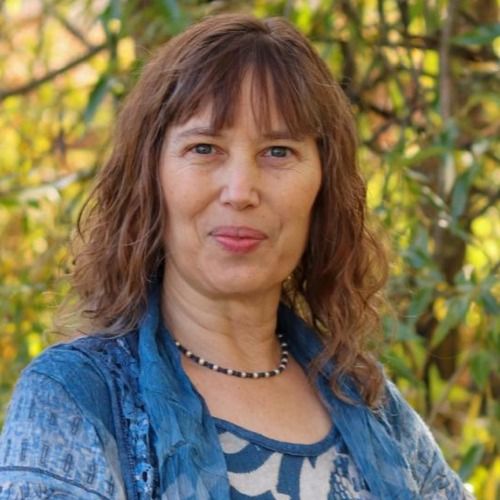
Episode 87
S2EP87-Andy Ellwood-Stretch It Out: Save Big on Groceries with a Genius App!
Andy Ellwood is shaking up the grocery game with his innovative ideas and tech-savvy solutions! A former homeschooled kid from Texas, he shares his journey from mowing lawns at the age of 12 to founding Stretch, an app designed to help families save money and time on groceries. Andy dives deep into his childhood experiences, revealing how homeschooling shaped his entrepreneurial spirit and his drive to make life easier for others. With a sprinkle of humor and a whole lot of heart, he explains how Stretch allows users to compare grocery prices across different stores, potentially saving families about $1,000 a year! This episode is packed with insights on creativity, responsibility, and how modern technology can enhance family life while shopping. Join us as we explore the fascinating connection between personal growth, education, and the ever-evolving grocery shopping experience.
Andy Ellwood is reimagining the grocery industry through AI-powered technology, addressing the daily struggles of 100 million Americans. A serial entrepreneur with exits to Facebook and Google, he built the fastest-growing executive coaching practice in NYC, chairs a culinary school transforming lives in Mexico, and continues to build communities that unlock human potential.
Bringing Education Home is an educational podcast brought to you by Kristina and Herb Heagh-Avritt.
If you enjoy the show, we'd love for you to leave a rating or review on your favorite podcast app!
Please let your friends know they can listen for free on Apple Podcasts, Spotify or their preferred podcast app or online at Bringing Education Home.
Sponsored by Vibrant Family Education - creating Happy, Healthy and Successful kids
Follow us on these socials:
Facebook Group - The Family Learning Circle
Facebook Business Page: Vibrant Family Education
Support Bringing Education Home
Copyright 2026 Kristina & Herb Heagh-Avritt
This podcast is hosted by Captivate, try it yourself for free.
Transcript
I now have the pleasure of introducing Andy Ellwood. Andy is reimagining the grocery store industry through AI powered technology, addressing the daily struggles of 100 million Americans.
A serial entrepreneur with exits to Facebook and Google, he built the fastest growing executive coaching practice in New York City, chairs a culinary school transforming lives in Mexico, and continues to build communities that unlock human potential. We welcome Andy. It is a pleasure to have you here today. Thank you for joining us.
Andy Ellwood:Thanks so much for having me.
Kristina:And as usual, you know, we have these wonderful, exciting, amazing people and you might hear from their bio, it's like, what do they have to do with families and homeschool and et cetera? Well, part of that is the grocery shopping, but part of it also is Andy's background. So we're going to dip into that a little bit.
So Andy, give us a little bit more about the background that might be of interest to our audience a little bit more and how it connects to this thing called grocery shopping.
Andy Ellwood:Absolutely. I, I've been told that I have big brother energy and like, like, like the kind big brother, the one who helped you reach the things on the.
Herb: Top, not like the: Kristina:And.
Andy Ellwood:And I think that that growing up as the oldest of four kids in the the suburbs of Dallas, Texas, my parents made the very brave and daring choice to homeschool us. After I, I had finished fifth grade in, in the local schools and I actually was trying to convince my parents to homeschool us.
I was, I was like, mom and dad, my friends at ch Homeschooled, and it seems like such a much better, more efficient way to learn. And my parents are like, well, it's not really what we do, but, you know, good for you.
And I kind of, you know, convinced the rest of my siblings that they should all chime in on like asking to be homeschooled. My parents like, all right, we'll try it for one year. And it turned out to be great for us because as.
As wonderful as my three siblings are, we're all very different. And for us it was kind of a journey and exploration and curiosity where we all kind of got to follow our own paths.
So I was very much on the entrepreneurial side of things. My sister was on the media side of things. My brother was a genius and also an athlete, and so he was able to thrive at both.
And then my younger brother was very creative. And so we all kind of found our own version of what education meant for us.
And it allowed us to, you know, finish our school a bit faster than we probably would have in a traditional setting and pursue the passions that we had outside of that. So that led me into the entrepreneurship world. You know, building companies started when I was 12.
You know, the grass starts growing in February in Texas and doesn't stop growing until November. So, so my lawn mowing business was the first, first chance I had to learn how much fun it is to, to build something and serve others.
And that led me into building startups and what we're doing now with Stretch.
Herb:The amazing thing about that is when I was growing up, the homeschool kids were kind of the weird ones. And you were all like, oh, hey, wow, this is really cool what they're doing.
And so that is something that we actually talk about now about how the weird ones are now. The ones are actually staying in school and trying to fit inside that box.
Especially with the way our society is growing and the individuality that so many people are displaying so early. So congratulations on actually leading that for your family.
So that story that, that more than anything tells me a lot about you because of your desire and drive to find what works for you back then. So that's pretty cool.
And again, how did, was it really just oh, I want to do this because my friends are doing it or really what, what were you seeing as an 8 year old boy? You said 5th or 5th grade? 10 Year old boy?
Andy Ellwood:Yeah, 11.
Herb:10. 11 Year old kids don't normally think like that.
Andy Ellwood:Yeah, yeah. I asked my friend at church, I was, I was like like well it's what time, what time does school start?
He's like, oh, you know, like we could start at, you know, 9, 9:30, 10. And I was, I was like, okay, well I, I, I le to make it to school. Okay, so 9:30. I was like what time do you finish? And they're like, ah, yeah, 2:30.
Three. I'm like, well I don't get home till four, you know, this is in fifth grade. And, and I was, I was like what? Like why, why is it possible?
Like, well, once we understand something, we just move on.
And I think that that was the really interesting thing for, you know, for me and all my siblings is once we understood, we just moved on and we were, we're, you know, we're, we were family that grew up playing board games and pretty competitive and like loved cards and so we're like, oh well, how much school can I get done? How fast?
And then you us graduated a little bit early and you know, started taking community college classes, you know, as early as our sophomore Year in high school, and, you know, it was all kind of self paced.
And then we realized that, like, school was, you know, was a part of what we needed to do, but we all found something outside of school that we loved even more. And I think that that just allowed for that creativity to kind of open up for us. And, you know, my mom was a recreation major in college.
She went to college to learn how to become the best camp counselor. And so she made school the most fun it could possibly. Whatever we were studying, she found a way to make it immersive and get us closer to it.
So we were doing U.S. history. We went to Washington, D.C. for three weeks. So fun things like that that were, in hindsight, a big stretch for my parents financially. I know.
But they really invested into us and made things work. So I'm very, very grateful to my parents for being adventurous.
I think that they would say we had no idea what we were doing, but it all worked out well.
Kristina:I really want to highlight that story that you just told, because that's what a lot of families are afraid of, is like, oh, I wasn't trained as a teacher or I don't think I have the qualifications to be a teacher. Right. But it doesn't take the academic qualifications as much as the curiosity and the willing to learn with your kids and with your family and grow.
Andy Ellwood:Yeah.
Kristina:Yeah.
Herb:And I really like almost everything you said because that is what we're trying to get our parents. That's why we start. This is like, you don't have to know everything. You don't have to be confident right out the gate.
But once you understand that, you get to work with the individuality. And one of the things you said is you guys were kind of competitive around each other and you pushed each other. It's like.
And then it's like, oh, can I go more? Can I do more? That happens so much in homeschooling. That's one of the few things that parents. It's hard to. It's hard to get parents to understand.
You're going to get tired of your kids saying, hey, look what I learned. Hey, look what I learned. Oh, hey, I'm learning this. Come check this out.
Because it's like they're so excited about what they're learning and the growth that they're having that they drive their parents nuts. Ooh, come look at this. Ooh, look at this. And so it's like, that is so foreign to most parents who have to like, oh, go do your homework.
You have to do this. This is for your benefit. And now it's like, okay, yeah. So how. I'm not really sure where that question went, but. But is that kind of what you're.
What you're talking about there?
Andy Ellwood:Yeah, I think that from a very early age, learning was. Pointed to me as my responsibility, and there was an ownership around it that my parents really trusted us.
And as long as we didn't break the trust, it was there. And, you know, I did not have a traditional school day. Right.
You know, with my lawnmower business, you know, it gets hot in Texas, I would, you know, do my morning chores, you know, around the house, and then I would leave for the morning and go out and mow my lawns and, you know, make. Make some money. And then I would come back and start school after lunch. And that was kind of, you know, my schedule.
My sister, she only did school Monday, Tuesday, Wednesday because she did an internship at a local radio station on Thursdays and Fridays. So she squeezed five days of, you know, of schooling into three days so she could, you know, do this internship.
My brother, who's, you know, the baseball player, he got up early and did all of his school before lunch so he could go to the gym, go to batting practice, you know, make it to his. His baseball games. So we all kind of found, you know, the. The way that worked for us. And that's just a very, very unique thing that my parents were.
Were trusting of us. But I'll also say, you know, to what you're saying about, you know, people, parents being nervous.
I'll never forget when my mom sat me down, I think it was in seventh grade. And she goes, just so you know, I don't know how your math works. Like, everything that you learn in math, like, I don't remember that part.
So we'll figure it out together. Or we can wait for dad to get home, you know, and he can figure it out with you, you know, at the end of the day.
Or there's a 1-800-number in the back of the book, and I think it's a helpline. So if you need it, that's there, you know, and this is, you know, this is the late 90s.
So, you know, I'm sure that there's a whole other slew of resources now, but, you know, I always kind of took it as like, it's your responsibility, and if you need to ask for help, please do. But I really appreciate both my parents saying, we don't know some things and let's figure it out together.
And that Humility has always been something that I've really admired about my parents.
Herb:Yeah, I'm almost a little bit of jealous of that story. I grew up in a really small town out in the woods that didn't have a lot of opportunities.
And so I pretty much stayed in school because it was the only thing to do. But at the same time, I would sit in the back of class and read books all day long because I was one of the really, really smart kids.
And it's like they would call on me as I'm reading my books. They would see me not paying attention, and I would look up and I'd answer the question, and I'd go back to reading my.
Because it was just boring to me. So. Yeah. The ability to. To have been able to find that spark and then drive through it that I'm. I'm actually a little jealous about that.
Kristina:So I just have one more question before we move into how this all goes into entrepreneurship, which is where we're going to go. But. Okay, they couldn't have all been great days. There had to have been some down days. Right.
Because, you know, we all want to paint this rosy picture that everything is amazing. But can you talk about maybe a time that you remember that you or your family or your mom was kind of struggling and you kind of got through that?
Because we want to give that inspiration to families as well.
Andy Ellwood:Yeah. I think that. That. Because we were all very different. We were all pulling mom in a lot of different directions.
Herb:Yeah.
Andy Ellwood:And it wasn't just we all sat at one table and did our schoolwork. Right. You know, we, you know, were in our rooms. We were at the kitchen table.
You know, I was out mowing lawns, coming back and starting school after, you know, my brother had already finished school.
And so just the, you know, kind of the popcorning of attention, you know, the switching cost of, you know, Andy needs this and Katie needs that and Peter needs this. Nathan needs this. You know, I think was. It was, you know, certainly. Certainly a challenge and something that my mom, you know, she.
She did the best she could, and she kept up with us all, and, you know, she had a lot of energy. But there were some days where you. You're just like, where'd mom go? And she probably was taking a little breather.
You know, in hindsight, like, she might have excused herself to, you know, freshen up, and it was actually just trying to catch her breath, you know, and I think. But I. I always appreciate that, you know, had, you know, he would come home and he kind of had his routine.
Like he'd say hello to all of us and then he disappeared with mom and they'd kind of check in on the day and then, you know, they'd come back out, you know, a few minutes later, kind of on the same page. And like, it was like, ah, now both parents are home.
You know, so I know that that was something that, you know, was, you know, but they were, they were pretty intentional about it. Like, they told us, hey, you know, like, when it's all said and done, like, we've got to be a team first in order for all of this to work.
And we always kind of knew that their relationship was, was, you know, the most important one and that the kids came second and, you know, and not like, you know, we were second class citizens, but just like they're, you know, 1A and 1B, you know, as far as the kind of, the, the order of, the order of things.
And so I was always grateful that I had that modeled for me even when things were tough and even when, you know, when things were hard, you know, they, they were a united front. And it was like, our parents think this. It wasn't like, mom thinks this and dad thinks this. It was, our parents think this.
Herb:Yeah, we kind of did that too. Because I used to tell my kids, it's like, I love you and we chose to have you, but I chose her. It's like I picked her. We chose to have you.
We didn't get to pick who you were, but we love you and we're here for you and we support you. But I picked her. She's number one.
Andy Ellwood:I love that.
Kristina:Exactly.
So let's jump into that because one of the things that we know, working with homeschool families especially, is that children who have that extra ability to explore. Right. Oftentimes look at this thing called entrepreneurship or starting small businesses kind of early.
And you started saying that you were doing it even as early as what, 12, 14?
Andy Ellwood:Yeah, 12. Yeah.
Kristina:The lawn mowing business, right?
Andy Ellwood:Yeah.
Kristina:And that you were able to get enough experience in that, that that kind of led to other things. So tell us kind of how that progression went for you and how it led into these other businesses we've kind of touched on.
Herb:Your parents supported you and. Or was it just, hey, you want money, go get a job?
Andy Ellwood:Yeah. So I grew up in a family that always had enough, but in hindsight, just enough.
And in hindsight, I, you know, being a parent myself now, I know that there were times that, like, looking back, mom and dad were not quite sure how the month was going to finish, you know, until dad's next paycheck, you know, and, and, you know, they never put that stress on us. And, you know, and so that was never, you know, something that I, I felt like I needed to worry about.
But also, you know, I had a $1 a month allowance. And that was, I was like, I can't buy much for $1. Like, like, you know, so that was kind of the, you know, I, I, I wanted to buy a computer.
I wanted to save up to buy a truck when I turned 16. So I was like, all right, well, I'll mow. You know, I like, I like mowing, you know, our yard. I'll mow our neighbor's yard.
And one thing led to another, and so I just started going around knocking on doors, saying, hi, my name. I'm, you know, I live in the neighborhood. I run a company called Reliable Lawn Care, and I'm going to mow your yard this summer.
Do you want me to come on Wednesdays or Thursdays? And they would be like, wait, what? You're going to mow my lawn this summer? And I was like, well, you don't want to. It's hot.
And enough people said yes. And I said, if you leave a 20 bill underneath your mat before you leave to go to work, if it's there, I'll mow your lawn.
And so one thing led to another, and I almost didn't go to college. I was making more in high school than what most people make their first year out of college.
Hired my younger brother, hired his friends, and, you know, so I've been paying taxes since I was 12 and, you know, and I learned a lot, you know, about just the kind of the process and like, what worked and what didn't work and that, you know, it was kind of early versions of sales and marketing and that I just enjoyed talking to adults, and I really enjoyed seeing the number go up in my bank account. And so that was kind of where, you know, where all that started.
But I think the other thing, you know, going back to how my parents supported me is neither of my parents have an entrepreneurial bone in their body. They, they are not risk takers. That's not really their, their M.O.
But my dad, you know, similar to my mom, saying, I don't really know how to do your math, like, we'll figure out together. My dad said, you know, look, this is not something I really know how to do, but I have friends who do.
Can I set up a Time for, you know, me and, you know, these friends to go out to breakfast with you and, like, you know, we can talk about what it's like to run a business. And, and so I learned from my parents, peers and helpful.
And so, you know, so I almost go to college, but I'm really glad that, you know, at the time that I did, because I, I was still really curious and still really wanted to learn. And so I studied finance at Texas A and M University.
And when I left to go to college, my younger brother was going to take over the lawn mowing business. And my dad says, no, no, no, he's got to buy it from you. So I, I got to sell. I got to sell my first company when I was 18. And then he sold it to.
He sold it to our younger brother. So one of the Elwood brothers was running reliable lawn care for 19 years. So that was a. A pretty big feat that. Very proud of.
But, you know, what just started as, like, you know, me being curious about, like, you know, could I make my bank account, you know, go up, turn into something that, you know, we had to serve the neighborhood and, you know, family and friends for. For almost 20 years.
Herb:So a little curious about college because most people, when they talk about college, they go from school to college, and then it's about the parties and about trying to find their major or find themselves. Did you do that or. Because it sounded like you went for a purpose. So how would you describe your college?
Was it like beer and parties and fun after, after college? Because I went a little bit. I was a smart kid. For me, the college was about the paper and the wife. I actually went to college to find my wife.
Andy Ellwood:Nice. Nicely done. Yeah.
My dad told me that college is to learn how to be around other people who didn't grow up the same way that you did and that, and that, that it was an opportunity to kind of spread my wings. You know, I, I, you know, had great friend group in high school. We were all very close, you know, and.
And I went to the college, you know, college by myself that none of my other friends went to.
And when I got there, you know, I realized that the biggest advantage I had over everybody else who was attending was time management was already a thing that I'd. I had learned that because I've been running my own business and doing all my studies.
It wasn't a big deal for me to wake up early, make it to class, get everything turned in on time, et cetera. But I wasn't super worried about grades and it wasn't a thing that I stressed about. I was like, it was a B, it was a C. It just.
If I get a diploma, I got what I came for. And I kind of had. That was a little bit of, like, not quite you sitting in the back of the class reading books and being a little bit bored.
But I was kind of like, I don't need to know geology to do what I wanted to do, but I have to have a science credit, so check the box. Don't put in too much time or effort. I was very involved in leadership organizations.
When I got to campus, it was the first time that I found a bunch of other people who were overly motivated and trying to make something happen in their life. And so the, you know, kind of the. The cream rise to the top, and I was trying to swim to the top. And so that was where most of my effort was.
And so I had a lot of fun in college, but it was much more about, like, you know, how many different organizations can I be a part of? What does it look like to create and build things?
You know, there's still an organization in the business school that I started my senior year of college, and, you know, that's going over 20 years now that the organization is still going strong. 120 Members, you know, leaders in the business school. That. And, you know, I became the president of the New York Texas A and M alumni group. You.
Once I got to. Once I moved to New York. And so I've had a great relationship with the school.
And, you know, at Texas A and M, they talk a lot about the other education, what happens outside the classroom. And that was what I got straight A's in.
Herb:Right? Yeah. So another person who went to college without the call, without the education being the most important part of going to college. That's.
That's really fascinating and lovely because it's like, again, the education aspect of it wasn't why I went to college, and it was. It was all the other stuff, but it wasn't the partying either, because that wasn't. That wasn't me. So. Yeah, that's very fascinating.
All right, and now let's start talking about this new program that you have to help families with budgeting and grocery shop.
Andy Ellwood:Yeah, yeah, yeah. Stretch has been around for about a year now. So we.
We started in:So if I'm buying a plane ticket to go home to see my family in Texas, I know that I can fly these six airlines and I can fly to these three airports and I can fly on these days of the week at this time of day. And all of that changes what the price of that flight's going to be.
Herb:Right.
Andy Ellwood:But I wouldn't, I would never just, just booked the first, you know, the first ticket that popped up when I typed in my search.
Herb:Right.
Andy Ellwood:Same thing with homes on Zillow.
Same things with, with cars on Autotrader and even now with good Rx for prescriptions, but for groceries, we just go to the same store and hope that they're giving us a fair price when there is really a lot of choice for most people. Most people have two or three stores within three miles of them.
You know, if you live in, you know, the suburbs or near urban areas or even, you know, rural America is getting, you know, dollar generals and Walmarts are popping up all over the place.
You have choice, but you don't know how much it costs until you're standing inside of the store or you're downloading seven apps and trying to piece together what the, what the, the shopping list looks like across all those apps and doing the math yourself.
Herb:Yeah, I thought that was. It's not worth my time to drive store to store to store to looking for better deals.
Andy Ellwood:Yeah, exactly. And so we, so we said the same thing. We said all the information's there. It's just not organized very well.
Kristina:Well.
Andy Ellwood:And so we said, what would it look like if we made a smart grocery shopping list?
So you tell me what's on your list this week, and Stretch will convert it into a digital list that could be searched at every store that's within your area. And it'll tell you the total price for your entire shopping list at each store before you leave your house. So Stretch does the hard part for you. You.
All you have to do is say what's on your list this week, and we'll figure out those products or similar products at every store that's, that's on the platform. And so it might be $86 over here and $110 over there and $74 here, and you can decide, you know what, hey, I've got a little extra time.
I'm willing to drive further to get to the store that's going to save me the most or I'm in a rush today. I've got kids in the backseat of the car. I just need the store I can get, get in and out of.
And, and you know, being able to have that choice for the thing that we buy most frequently and that for most families is the second or third largest expense on a monthly basis. The fact that we don't have the ability to compare before we go to the store right now seemed really silly to me.
And so that's what we set out to build with Stretch. And we're thrilled to be saving families about $1,000 a year just by using our free app.
Kristina:And that's what just totally blew my mind when we were talking in our pre chat about this is like, oh my gosh, if families can save up to $1,000 a year and they know which stores they really want to go to, I mean that in itself is saving time and energy, saving towards a college fund, whatever you want to spend that money for.
But then like you were also saying is like once you get in there and the moms and dads get used to it, then you start using it with the kids and letting them start comparing and start talking about this. And then we have a whole budgeting financial lesson going on too.
Herb:And then there's having to go to the new stores. So we, we again live out in the middle of nowhere. We drive into Medford, it's an hour trip one way.
So we go shopping every other week and we, I'm not a big fan of shopping. So we go to the same two stores every week, which is a local one.
And the reason I picked that one is it's the only one that has like lion's mane and shiitake mushrooms and really beautiful fresh mushrooms. So we go there and it's like, well, because they have this, I'm just gonna to get the rest of the stuff there.
And then we go to Costco for our bulk items and come home. But it's like, hey, there's a Dollar General. Hey, there's a Walmart. It's like, do we want to stop and check prices? It's like, it's not worth it.
They're not going to have the mushrooms or not. So we just skip all of that. But we drive past them. It would take nothing to pull in and to stop if, if we knew what was there already.
Andy Ellwood:That's exactly right. And I think that that's the part that, that I've come continually surprised when our shoppers tell Us.
They're like, I didn't even think to check Dollar General for my favorite dumplings. That's what a big technology executive told me the other day. He goes, I was using an app, and my favorite dumplings were at Dollar General.
I didn't even think that Dollar General carried something that I thought was a specialty that was just at this one. But Dollar General has been growing fast.
You look at their stock price, they're going through the roof because they're serving a needle a lot of parts of America. I think they're up to 21,000 stores now, which is crazy to think about. But.
Yeah, but just, just to your point, it's not worth walking in the store and walking the aisles. But if you could type it simply into our app and say, this is what's on my list this week. Are there any other.
Other stores that I should at least be considering? All of a sudden it just opens. Opens the eyes.
And, and, you know, a lot of times you're probably still going to go to, you know, maybe your home store, the store that you're most comfortable with, but sometimes you might find something that will surprise you. And it's. It's great.
Like, I'm probably going to fly American Airlines because I have status, but I'm still going to double check that flight just to make sure that it's not twice the price of Delta or United.
Kristina:Yeah.
And, you know, especially if it's a local store that might be out of something, that you can find the same exact one at the next store over, because your kids favorite. Right. They'll only eat this one kind of peanut butter or whatever, and you can find it somewhere else whenever they're out.
That also is really a benefit in my brain.
Herb:Yeah, yeah, yeah, yeah.
Because I ran out of something I, I order through the mail, and I knew some stores carried it, so I went to three stores to looking for it, and it was like, that was such a waste of time, but I found it and, and it was very helpful. But it was like, yeah, I was really frustrated that I had to. That it took three stores to find it.
Andy Ellwood:Yeah. Yeah. Well, I think that's the, the thing that when we think about what we're trying to build with Stretch, and, you know, it's still early, so.
Love feedback. There's a big feedback button in the middle of the app. So if any of your listeners, you know, get the chance to download Stretch and want to.
Want to give us some feedback, I read all of it. But, you know, we're, you know, Sometimes you have, you are in a position where it's about saving time and other times it's about saving money.
Herb:Right.
Andy Ellwood:And you know, you kind of toggle between the two. And you know, at least with Stretch, you know, this is worth the time or it's not.
And so that's where we, where we really try and, you know, help, help families be able to be as savvy as they possibly can be and, and have a little bit of fun with it while we're at it.
Herb:It. Yeah. One of the things that we talk about with our parents as well is family building.
And again, there's so much more real life experiences that you get homeschooling. There's so many college kids right now.
They get to college and they don't know how to go shopping, they don't know how to do their laundry, they don't know how to cook. Gen Z is just learning finally how to cook and make coffee because it's like they eat out all the time because they don't even know.
So this app, how can you incorporate it with your family and your kids to understand shopping and budgeting and the time stuff? How well does that fit into a homeschool environment to allow parents to bring these real world experiences to their kids?
Andy Ellwood:Yeah, so we're launching Family Family Accounts later this year. So it's not out yet. So as of, as of May, it's not out.
But we're hoping this fall to be able to allow the whole family to have the ability to contribute to the shopping list.
So it's not just mom and dad, but, you know, we have a lot of families that are wanting to trust their kids to put things on the shopping list when it's like, hey, we ran out of this. Like, you know, I'm the one who, you know, ran out of cereal.
So I'm going to put it on the shopping list so that, you know, it's my responsibility that if, you know the phrase that we used to have in my house is if you kill it, you fill it. Right. You know, if, if you're the one who made it.
Herb:Magnet paper on the fridge that we write down ran out of this. But it's like some things are like every week. Butter, eggs.
Kristina:Yep.
Herb:You know, it's like every week, but every week we have to rewrite it on the list.
Andy Ellwood:Yeah. Yeah.
And that's the, the, the thing with, you know, Stretch's smart shopping list is it gets to know you, gets to know your habits and patterns, things that you really care about. There are certain brands that you probably care the most about.
And there's other times you're like, just as long as it's pasta, I don't care which blue box it comes in, just pasta, it's fine. You know, but there's other things where it's like, hey, when it comes to cereal, I mean, special K, family size protein with berries. Yes.
Herb:You know, macaroni, craft macaroni. But then I actually started making my own and craft's not so good anymore.
Kristina:Yeah, it used to be.
Andy Ellwood:Yeah, but that's, but, but, you know, we're really thinking about that from like a collaboration, you know, standpoint and kind of the responsibility of knowing, hey, you know, the stuff that you put on the shopping list this week, you know, that totals up to 60 bucks. Is that really where we want to spend that $60?
You know, my, my mom made, you know, she had a cookbook called Once a month cooking, and it allowed her to piece together all the different recipes.
And then, and then we go to the grocery store one time and, and so, you know, at the end of every month, we hardly had anything left in the fridge or the, or the pantry because we had done the math to figure out exactly how to stretch it to the end of the month, month.
And I think that that's something that, you know, I, I think a lot about when building the, you know, building the shopping lists and the way that we're structured, just even the input, you know, how do you add things to the list, how do you check things off the list? And then how does stretch get to know you better? To know, you know, I really want Kraft Mac and Cheese, not the store brand.
Kristina:Yeah, I absolutely love that.
And it's one of the things that, you know, actually goes back to some part of the beginning of your story is that your family made sacrifices in some ways to make sure that you could be homeschooled. Right.
And so having an app like this, or just this open conversation and saying, you know, yeah, it might be a little bit of a stretch, it might be a little bit of a sacrifice in some ways. But look at the benefits.
Because we've done A, B and C, we watched our budget, we bought at these stores, those different kinds of things for the benefit of the family and the kids education.
Herb:So another question technical is, does it also like go online and search online stuff so that you can order it and have it delivered for the stuff that you can't find cheaper unless you can find it less expensive in a store? Does it do that as well, for.
Andy Ellwood:You, that is on the roadmap. It doesn't yet. So 80% of grocery shopping still happens in store. And so that's, that's who we're serving first.
There's, you know, there's a lot of different things that have been built for online shopping, but we're, we're trying to help, you know, a lot of families that are just really struggling right now with the cost of groceries. And, you know, they're, they're not paying the delivery fees. You know, they're, they're doing, they're shop in the stores themselves.
And that's, that's where a lot of our focus is, is people who are just, they're adjusting their, you know, their shopping behaviors because grocery prices are up 30% since the pandemic, and it's, you know, it's getting expensive out there. And so we want, so, but that's on the roadmap is to add delivery and also curbside pickup in the very near future.
Herb:Nice. Because, you know, we're on a carnivore diet at the moment, and some things are not so easy to find in stores, like egg white powder.
Like, really difficult to find online or in a store, especially in any sort of.
Kristina:Yeah, we've had to go to Amazon because that's the only place we can find a specific.
Herb:So, yeah, sometimes it's like, certain things like that, it's like it's just not worth it to even go looking anymore. So.
Kristina:Wow. Amazing. So what would you tell families based on your entrepreneur journey, your homeschool journey? Would you.
And obviously, I think the answer is going to be yes. But how would you recommend this kind of lifestyle for families who are curious about it?
Andy Ellwood:Yeah, I think that it's one of the best decisions our family ever made was to, you know, to, to give it, give it, give it a try. Right. You know, the first year. And, you know, mom and dad learned a lot, you know, about themselves, learned a lot about us.
But, you know, like, I, I, my siblings were fine.
Like, they were, you know, they were like my siblings, and now they're like some of my best friends, you know, and, like, even though we were different grades, you know, we saw a lot of each other and we had to figure out how to be around each other. And I think that we all were able to put our own fingerprints on our education, and we've continued to do that.
It's something I continue to admire about my siblings, is everybody's still very curious and still growing and learning, and that's not always the case. Sometimes people get through the mandatory education phase of life, and they, you know, slowly start to.
To recede back to, you know, the comfort zone. But I think most of you know a lot, and, you know, I've had other friends that were homeschooled, and.
And, you know, that's not the way that it worked out for them. But I think that.
That, you know, my parents being on the same page and then really learning to trust us as kids to say, hey, like, you guys were the ones who said you wanted to do this. You know, here's some responsibility on you to make sure that it keeps going well, you know, something that I always look back on fondly.
Herb:And another thing that. That was really important in there is they said, okay, we'll try it for a year.
Kristina:Yeah.
Herb:And, you know, okay, let's try it for six months. Let's try it for three months. It's. It's not a locked door. It's not like once you make that decision, that's it.
So we've had parents who homeschooled for two or three years, and then situations changed and their kids went back to school. And what happened was their kids were so much more ready for school and so much more.
More ready to learn that they influence their classrooms for the better because of what they did, even for a year or two at home.
Andy Ellwood:Sure.
Kristina:Exactly. And would you make sure you say out loud, how do we find out about this awesome app called Stretch and help out grocery budgets?
Andy Ellwood:Yeah, absolutely. We'd love to have your listeners come, come test us out.
Stretch groceries.com is the website, and if you go to either app store and type in Stretch Groceries, our app will be the orange icon that pops up, and you can download it and let us know how it works for you.
Kristina:Perfect. I love it, love it, love it. So when we talked before we got on the show, I told you to kind of think about anything.
Is there anything that we didn't get to that you really wanted to talk about or any last words for families as we kind of wrap up the show?
Andy Ellwood:No, I think that the thing that I would say is everybody's doing better than they think they are.
Herb:Are.
Andy Ellwood:And I.
Herb:And I.
Andy Ellwood:And I. You know, I think that there's a lot of people that are just kind of feeling lonely right now.
Like, they're the only person struggling with things that they're struggling with. And, you know, grocery shopping, even though we all do it, is a thing that we all kind of do quietly by ourselves on Sunday nights. We're making.
Making that list and, you know, like, figuring out, all right, how we're going to do it this week, you know, So I think that, you know, it's. There's never been a better time to. To reach out and ask for help. Help and to. To be somebody who can. Who can offer help.
And that's what I hope Stretch becomes for a lot of families is technology that. That allows people to have more confidence in their purchasing decisions and how they're feeding their family.
Kristina:Thank you so much. I love that.
Herb:Yeah.
And as someone who doesn't like adding, like, tons of apps to my phone all of the time, it's like, oh, to get the deals there, Fred Meyers, you have to do this app for Safeway. This app.
Kristina:Or it's like, like you said, seven different apps to figure out the different stores.
Herb:Like, that's crazy. Not want to do that. That. It's like I'm in, like, technology overload. Just make it simple.
That's kind of why we just have the two stores that we go to. So really appreciate that. That this app can. Can condense that into a much more. Because there's so much going on now, it's. It's hard to keep track.
And so something that can. Can wrap up a bunch of things in once is incredibly valuable. So thank you for developing that.
Andy Ellwood:Thank you. Appreciate that.
Kristina:All right, well, thank you again for being here on our show, and thank you for all the insights around the. The homeschooling, the entrepreneur. This wonderful new thing that will help families as they continue is it continues to grow and develop.
I really appreciate your time and your effort of being here today.
Herb:Yeah. Thank you so much.
There, again, so many people who kind of figure out these problems on their own or they just bury their head in the sand, but you took that problem and you went and fought that dragon, and then you brought it back to the world. And that is the hero's journey. And not only that, you're sharing how you got there, and you're sharing it with. With everybody else. And so.
So thank you for doing that. That makes you a hero. You are actually out there making the world a better place and bringing your kids along with you.
That's just absolutely beautiful. So thank you for being here today.
Andy Ellwood:Thanks so much, guys. Appreciate it.
Kristina:All right, audience, you know what time it is. It is time to like and share and make sure that other families know about this podcast.
Bringing education home is here for you, your family, to take you to the next level in raising happy, healthy, and successful kids.
Kids, don't forget to go visit vibrant familyeducation.com as well, where you get to figure out where Herb and I are speaking, where the next podcast episode comes out, and where our next classes are as well.
Herb:And definitely go check out Stretch.
Kristina:Yes. All right. Until next time. Bye for now.